Trinidad and Tobago Extends State of Emergency for Three Months Amid Crime Crisis
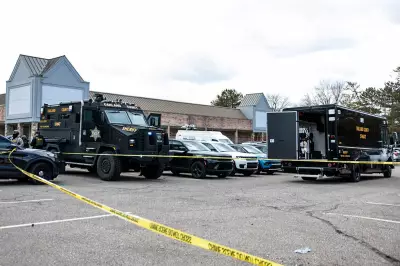
The government of Trinidad and Tobago has successfully obtained approval from the House of Representatives to extend a state of emergency for an additional three months. This decision comes as the Caribbean nation grapples with persistently high levels of criminal activity, underscoring ongoing security challenges.
Parliamentary Approval and Enhanced Powers
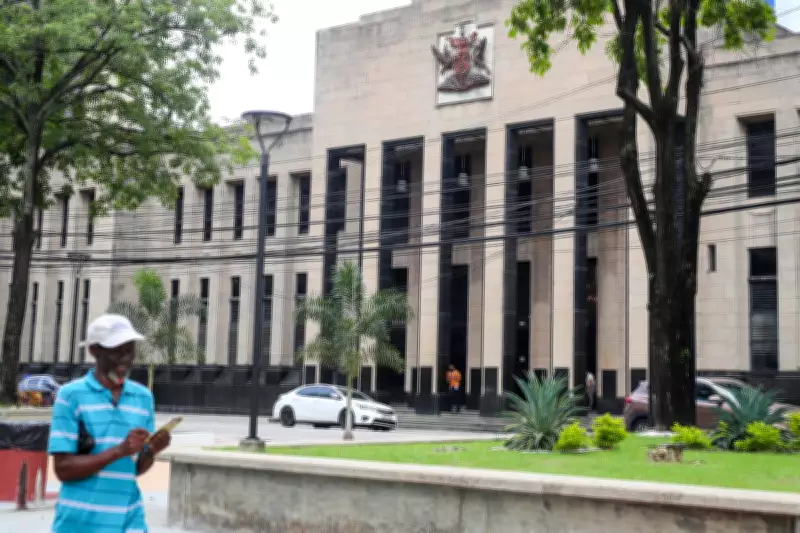
In a late Friday session, the House of Representatives voted 26-12 in favour of two motions to extend the state of emergency, with no abstentions recorded. This measure grants the government expanded authority, including the ability to conduct arrests and searches without warrants, aimed at bolstering law enforcement efforts against crime.
Historical Context and Economic Impact
Trinidad and Tobago has been under a state of emergency for approximately 10 out of the last 14 months, highlighting the prolonged nature of the security situation. Initially, such emergencies can last up to 15 days, but extensions are permitted as deemed necessary. The frequent renewals have negatively impacted the country's tourism industry, raising concerns about economic stability amidst the ongoing crisis.
Political Opposition and Criticism
The main opposition party has strongly criticised the extension, accusing the government of failing to effectively address the underlying crime issues. They argue that repeated reliance on emergency measures indicates a lack of sustainable solutions, sparking debate over governance and public safety strategies.
Current Crime Statistics
So far this year, Trinidad and Tobago has recorded more than 60 killings, reflecting the severe crime wave that prompted the emergency extension. This statistic underscores the urgency of the situation and the government's push for enhanced powers to restore order and protect citizens.