UK's IPP Prison System Faces UN Condemnation Over 'Inhuman Treatment'
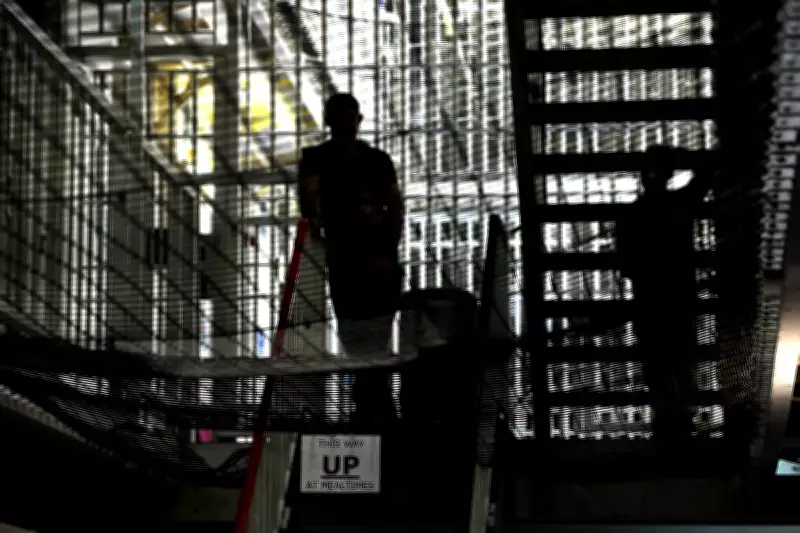
A comprehensive United Nations report has delivered a scathing indictment of Britain's Imprisonment for Public Protection sentencing regime, describing it as a "dystopian" system that subjects prisoners to cruel, inhuman and degrading treatment. The 44-page submission to UN special rapporteur on torture Dr Alice Gill Edwards highlights the plight of eight individuals trapped in what it calls a "never-ending carousel of excessive punishment."
The Human Cost of Indefinite Incarceration
The report, prepared by leading international lawyer Dr Felicity Gerry KC, reveals that the eight featured prisoners have each served an average of 516 per cent of their original minimum terms. Among them is Thomas White, who has spent almost 14 years in prison for robbing a mobile phone and whose mental health deteriorated so severely that he set himself alight while incarcerated.
"The UK cannot hypocritically stand against despotic regimes when its own systems are so dystopian," the report states unequivocally. It argues that prolonged uncertainty about release dates causes "acute and enduring psychological suffering" that exceeds legitimate punishment aims, creating what Dr Gerry describes as a "systemic bind" for prisoners.

A Flawed System That Persists
Although IPP sentences were officially abolished in 2012, the change was not applied retrospectively, leaving thousands of prisoners trapped without definite release dates. As of December 2025, approximately 2,400 individuals remained subject to IPP sentences, including 924 who have never been released. The majority have served at least a decade beyond their original minimum terms.
The report notes that the architect of the sentencing regime, former Home Secretary David Blunkett, has since admitted that introducing the draconian punishments under Tony Blair's Labour government represents his "biggest regret." The sentences have been linked to nearly 100 prison suicides, according to the document's findings.
Systemic Failures and Vicious Cycles
Dr Gerry's submission identifies multiple systemic failures within the IPP framework. Half of the eight prisoners featured are neurodiverse, and all have struggled to access prison courses necessary to work toward release. This difficulty is compounded by histories of trauma, violence, childhood deprivation, institutional abuse, and existing or previously undiagnosed mental health conditions.
"The Parole Board system was simply not designed for IPP sentences, and this has led to excessive punishment," Dr Gerry concludes. She notes that prisoners' progress is hampered by court-imposed assessments of "dangerousness" that the Parole Board lacks authority to revisit or remove.
Recall System Creates Revolving Door
Even when released, IPP prisoners face what the report describes as a "vicious cycle of recall." They can be returned to prison indefinitely for minor breaches of strict licence conditions, creating what amounts to a revolving door between incarceration and conditional freedom.
The report argues that "risk to the public has long been cited as a reason for keeping IPP prisoners incarcerated but this lacks any sound foundation, especially when harm is being caused by the very system that sentenced those people in the first place."
International Scrutiny and Government Response
This represents the second major submission to the UN concerning IPP sentences. A separate complaint regarding five other IPP prisoners is already under investigation by the UN's Working Group on Arbitrary Detention. Any finding of degrading treatment or arbitrary detention would constitute a damning indictment of the Ministry of Justice's handling of what has become a major justice scandal.

A Ministry of Justice spokesperson responded: "It is right that IPP sentences were abolished, and we have already taken action to support these offenders to move on with their lives. Since April 2023, the never-released IPP population has fallen by 30%, and all but a handful of those remaining IPP prisoners have repeatedly been found by the independent Parole Board to be too dangerous to live in the community."
The report concludes with a powerful summation: "The absence of review, limited appeal processes, uncertainty of release, repeated parole refusals and recall powers generate fear, anguish and a sense of hopelessness, intense mental suffering and gross humiliation." It calls for either immediate abolition of IPP sentences for those still serving them, with appropriate compensation, or an urgent review of all remaining cases.