The United States government has formally requested a federal judge to dismiss a significant lawsuit brought by survivors and relatives of the victims of Maine's deadliest mass shooting. The plaintiffs allege that the U.S. Army failed them by not intervening before the horrific killings occurred.
Lawsuit Alleges Government Negligence
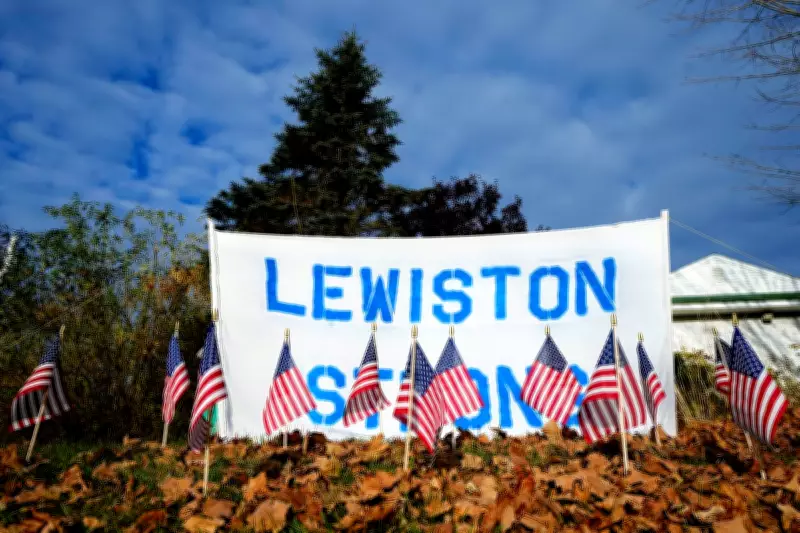
The families involved in the legal action claim the government was negligent in failing to act on multiple warning signs displayed by the shooter, who was an Army reservist. The tragic incident saw eighteen people killed when the 40-year-old reservist opened fire at a bowling alley and a bar and grill in Lewiston in October 2023. An independent commission appointed by Maine's governor later concluded there were numerous missed opportunities for intervention by both Army officials and civilian law enforcement agencies.
Government's Legal Argument
In a filing submitted on Thursday in Maine federal court, the government urged the judge to toss the lawsuit entirely. The government's position is that the court lacks the proper authority to hear this specific case and that the families' claims do not meet the necessary legal standards to proceed forward. The lawsuit specifically alleges that the Army was negligent when it failed to properly investigate the shooter's deteriorating mental condition. However, the government counters by stating the shooter was "solely responsible" for the attack and that the government should not be held liable for his independent, criminal actions.

Background of the Legal Action
Attorneys representing approximately one hundred survivors and victims' family members initially announced the filing of this lawsuit last year. They subsequently refiled their legal complaint in September following the release of a U.S. Department of Defense watchdog report. That report critically faulted the Army for having a high rate of failure in reporting violent threats made by service members, highlighting systemic issues within the military's reporting protocols.
"Unfortunately, the government's motion was predictable and expected. The government's motion is a lengthy denial of any legal responsibility for broken promises to protect the community it pledges to defend. We look forward to filing our response," stated Travis Brennan and Ben Gideon, the attorneys representing the families, in a Friday statement.
Specific Allegations Against the Army
The lawsuit formally faults the Army, the U.S. Department of Defense, and Keller Army Community Hospital for negligence. It names the U.S. government as the primary defendant. The legal documents state that the defendants failed to "respond to warning signs and an explicit threat to commit a mass shooting" by the shooter, identified as Robert Card. Card was found dead by suicide two days after the shootings concluded.
The plaintiffs' attorneys have argued that the Army did not take appropriate action despite being fully aware of Card's significant mental health decline. According to the lawsuit, Card's mental health spiral led to his hospitalization and left him in a state of paranoia, delusion, and expressing homicidal ideations. The plaintiffs further claim he even produced a detailed "hit list" of individuals he intended to attack, which was reportedly known to authorities prior to the tragedy.
Broader Impact and Aftermath
The Lewiston shootings had profound consequences beyond the immediate legal action. The tragedy led to the enactment of new gun laws in Maine, a state with a long and deeply ingrained tradition of hunting and gun ownership. These new legislative measures prompted immediate legal challenges from gun rights advocates within the state. More than two years later, the issue remains a highly contentious and divisive topic in Maine's political and social landscape, reflecting the ongoing national debate over gun control, mental health intervention, and governmental responsibility.