Britain's Top Extreme Cleaner: 25 Years of Lessons from the Grimmest Jobs
What 25 Years as an Extreme Cleaner Taught Britain's Best

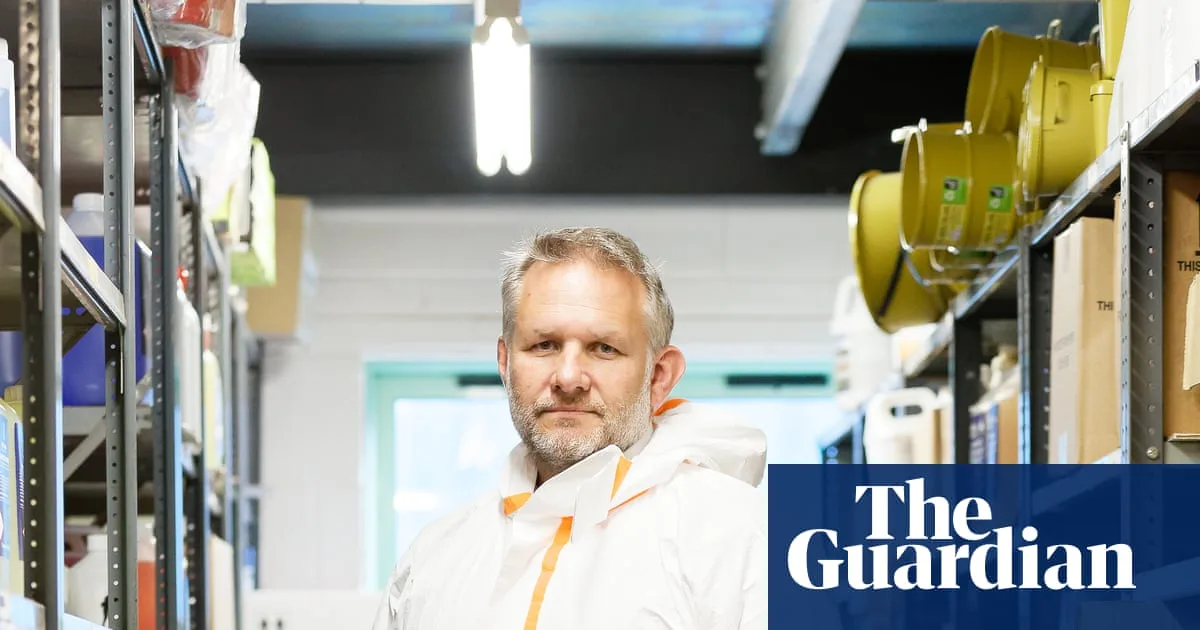
For a quarter of a century, one man has been called to the scenes most of us hope never to see. As Britain's foremost extreme cleaner, his work involves erasing the physical remnants of some of life's most tragic and traumatic events. Now, after 25 years on the front line of forensic and biohazard cleaning, he is sharing the profound, and often unexpected, lessons learned from a career spent in the aftermath.

The Unseen World of Trauma Cleaning

The job of an extreme cleaner, also known as a trauma or biohazard cleaner, is far removed from standard domestic work. These specialists are deployed to clean and decontaminate sites following incidents such as unattended deaths, serious accidents, and violent crimes. Their task is not just to clean, but to restore a space, removing all biological and chemical hazards to make it safe and habitable once more.

Over his 25-year career, the cleaner has attended thousands of call-outs across the UK. Each job presents a unique challenge, but the common thread is the need for immense compassion, a strong stomach, and a meticulous, scientific approach to decontamination. He operates in a world that exists just out of public view, a crucial service that supports both grieving families and emergency services.

Lessons from the Edge of Life

The most significant insights gleaned from this unique profession are not about cleaning techniques, but about humanity itself. One of the foremost lessons is the stark reality of loneliness in modern society. A substantial portion of his work involves unattended deaths, where individuals have passed away alone and remained undiscovered for days, weeks, or even longer. These scenes, he reflects, are a silent indictment of the isolation that can exist even in densely populated communities.

Conversely, the work has also taught him about resilience and the strength of the human spirit. He frequently interacts with bereaved families and friends who are facing the worst moments of their lives. His role, as he sees it, is to shoulder a small part of their burden by handling the practical, grim reality they should not have to. This has given him a deep respect for people's capacity to cope with grief and trauma.

Furthermore, the job has instilled in him a powerful perspective on material possessions. Entering the homes of the deceased, he regularly sees the lifetime of accumulated belongings that ultimately hold little meaning after death. It has led him to value experiences and relationships over objects, a philosophy forged in the most sobering of environments.

The Psychological Toll and Professional Ethos

Maintaining mental wellbeing is a constant challenge in this field. The cleaner emphasises the importance of compartmentalisation – the ability to focus on the task as a professional duty without becoming emotionally overwhelmed by the context. However, he admits that some jobs, particularly those involving children or extreme violence, leave an indelible mark.

To cope, he relies on a strong support network and a clear sense of purpose: restoring order from chaos. He views his work as a vital public service, providing dignity in death and allowing survivors to begin the process of moving forward. The ethos is never to judge, but to serve with discretion and empathy, operating with the quiet efficiency that the situation demands.

His reflections form part of a compelling podcast episode titled 'The Human Stain Remover', featured in The Guardian's 'Best of 2025' audio series. The conversation delves deeper into the specifics of the job, the changing nature of the industry, and the personal stories that have shaped his worldview over two and a half decades.

As society continues to grapple with how to deal with death and trauma, the insights from those who work at its sharpest edge are more valuable than ever. The story of Britain's greatest extreme cleaner is not one of grimness alone, but ultimately a surprising narrative about life, connection, and what we leave behind.