The Public Prosecution Service in Northern Ireland has confirmed that eight former soldiers investigated over allegations of providing false evidence regarding the events of Bloody Sunday will not face criminal prosecution. This decision follows a comprehensive review requested by the families of victims, which concluded that the evidential threshold required for prosecution had not been met.
Historical Context of the Tragedy
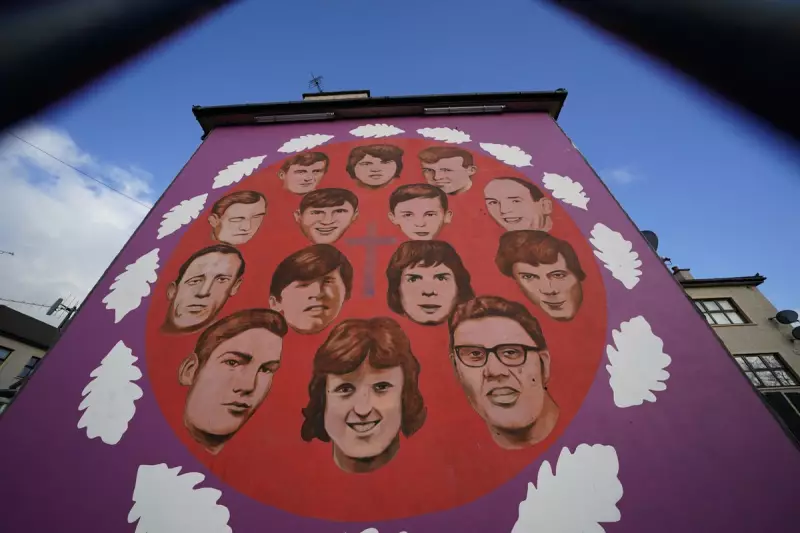
Bloody Sunday remains one of the most harrowing episodes of the Troubles, occurring on January 30, 1972, in the Bogside area of Londonderry. Thirteen individuals lost their lives when members of the Army's Parachute Regiment opened fire on civil rights demonstrators. The incident has been the subject of extensive inquiries and legal scrutiny over the decades, with families persistently seeking justice for their loved ones.
Review Process and Legal Complexities
The PPS initiated a review after receiving a formal request on behalf of the families of eight victims, focusing on former soldiers identified as Soldiers F, H, J, M, P, S, U, and V. This review mirrored an earlier decision from April 2024, where 16 individuals were not prosecuted in relation to similar allegations of false evidence given to the Bloody Sunday Inquiry.

A spokesperson for the PPS elaborated on the legal intricacies involved, stating, "After a careful analysis of all available evidence and the legal submissions made by the family legal representatives, it has been concluded that the evidential threshold to proceed with a prosecution has not been met." The spokesperson emphasised that the standard of proof in criminal cases is exceptionally high, requiring evidence to establish guilt beyond a reasonable doubt.
Admissibility of Evidence Challenges
One of the pivotal factors in this decision revolves around the admissibility of evidence. Much of the material relied upon by the Bloody Sunday Inquiry, including accounts provided by soldiers in 1972, would not be permissible in a criminal prosecution for offences such as perjury or perverting the course of justice. The PPS highlighted the distinct nature of public inquiries versus criminal trials, noting that the rules of evidence in criminal proceedings are far more stringent.
The spokesperson further clarified, "A public inquiry and a criminal trial are very different processes, and much of the material upon which the inquiry could rely would not be available to the prosecution having regard to the rules of evidence that apply to criminal proceedings." This distinction underscores the challenges in translating inquiry findings into successful criminal convictions.
Families' Disappointment and Legal Criticism
The outcome has been met with profound disappointment by the Bloody Sunday families, who have endured decades of campaigning for accountability. The PPS acknowledged this sentiment, stating, "It is recognised that this outcome does not reflect the hopes and expectations of the Bloody Sunday families, and that it will come as another deeply disappointing day after decades of seeking justice for their loved ones." Detailed written explanations have been provided to the families to aid their understanding of the decision.
Legal representatives for several families have voiced criticism. Solicitor Ciaran Shiels, who acts for multiple Bloody Sunday families, has openly criticised the PPS decision, reflecting ongoing tensions and frustrations within the community. This development follows last year's acquittal of a former paratrooper, Soldier F, who was cleared of killing two civilians during Bloody Sunday in a criminal trial at Belfast Crown Court.
Implications and Broader Significance
While the PPS stressed that this decision does not diminish the findings of the Bloody Sunday Inquiry, it highlights the enduring legal and evidential hurdles in addressing historical injustices. The case underscores the complexities of prosecuting events from the Troubles era, where evidence may be dated, contested, or inadmissible under current legal standards.

As Northern Ireland continues to grapple with its past, this ruling adds another layer to the ongoing discourse on justice, reconciliation, and the limits of legal accountability in historical cases. The families' pursuit of truth and closure remains a poignant reminder of the long shadow cast by Bloody Sunday.