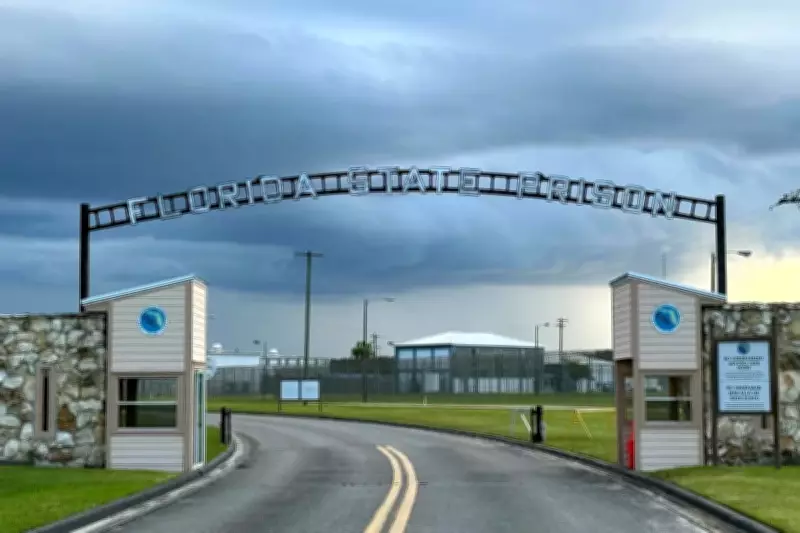
Chadwick Scott Willacy, a 58-year-old Florida man, is scheduled to be executed by lethal injection on Tuesday evening at Florida State Prison. This execution is for the brutal 1990 murder of his neighbor, Marlys Sather, during a home burglary that escalated into a horrific crime.
Details of the 1990 Murder Case
Court records reveal that Willacy was convicted of first-degree murder, burglary, robbery, and arson. The incident occurred when Sather returned home during her lunch break and discovered Willacy burglarizing her residence. In a violent confrontation, Willacy struck Sather, bound her, and attempted to strangle her.
He then doused her in gasoline and set her on fire. An autopsy later confirmed that Sather died from smoke inhalation, highlighting the extreme nature of the attack.

Legal Proceedings and Sentencing History
Willacy was initially sentenced to death in 1991. However, following a Florida Supreme Court order for a new sentencing hearing, he was resentenced in 1995. This legal process underscores the prolonged nature of capital punishment cases in the state.
The execution scheduled for Tuesday marks a significant step in this long-standing case, bringing closure to a tragedy that has spanned over three decades.
Florida's Execution Trends Under Governor Ron DeSantis
This execution will be Florida's fifth in 2026, continuing a trend of increased use of the death penalty in the state. Last year, Florida set a record with 19 executions under the administration of Governor Ron DeSantis.
This pattern reflects broader shifts in criminal justice policy and public sentiment regarding capital punishment in Florida and across the United States.
The case of Chadwick Scott Willacy serves as a stark reminder of the consequences of violent crime and the enduring impact on victims' families. As the execution proceeds, it adds to the ongoing debate over the morality and efficacy of the death penalty in modern society.