ICC Judges Rule Former Philippine President Duterte Fit for Trial
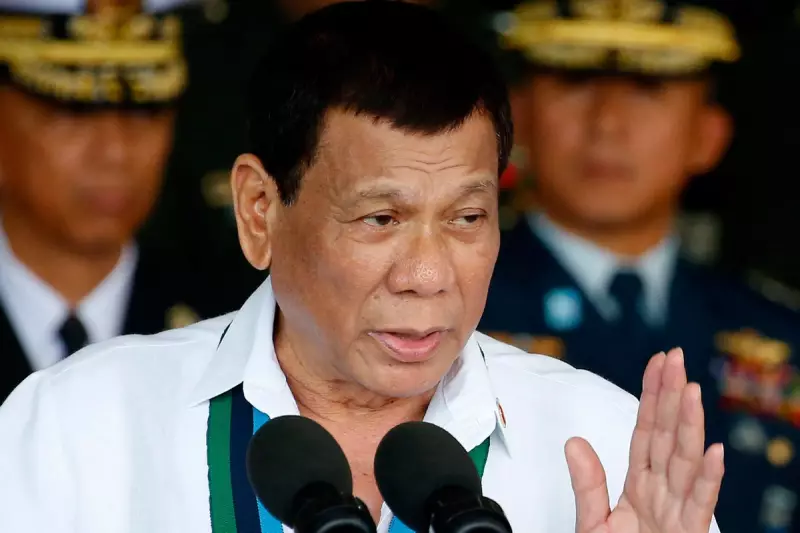
Judges at the International Criminal Court have delivered a significant ruling, determining that former Philippine President Rodrigo Duterte is medically and mentally fit to stand trial. The decision comes after earlier proceedings were postponed due to concerns about the 80-year-old's health while in detention.
Health Assessment Clears Way for Proceedings
Duterte's legal team had argued that their client was in frail health and that his condition was deteriorating within the court's detention facility. The former president was arrested in March and had been scheduled to appear before the court in The Hague in September, but that hearing was delayed to allow for a comprehensive medical evaluation.
Following extensive assessment by a panel of medical experts specialising in geriatric neurology and psychiatry, judges concluded that Duterte "is able effectively to exercise his procedural rights and is therefore fit to take part in the pre-trial proceedings." The examination included cognitive testing alongside comprehensive mental and physical evaluations.

Charges Stem from Deadly Anti-Drug Campaign
The former president faces serious charges of crimes against humanity for his alleged involvement in dozens of killings during his controversial war on drugs. Prosecutors claim Duterte instructed and authorised "violent acts including murder to be committed against alleged criminals, including alleged drug dealers and users."
These allegations span both his tenure as mayor of Davao City in the southern Philippines and his subsequent presidency. The ICC opened a preliminary investigation into the anti-drug campaign in February 2018, prompting Duterte to announce the Philippines' withdrawal from the court the following month - a move human rights activists described as an attempt to evade accountability.
Legal Challenges and Jurisdictional Questions
Duterte's legal team had sought to have the case dismissed on jurisdictional grounds, arguing that the court lacked authority following the Philippines' withdrawal from the Rome Statute. However, judges rejected this argument in a September decision, stating that countries cannot "abuse" their right to withdraw from the treaty "by shielding persons from justice in relation to alleged crimes that are already under consideration."
Victims' Groups Welcome Ruling
Human rights organisations and families of victims have welcomed both Duterte's arrest and the latest court ruling. Two organisations supporting families of suspects killed during Duterte's crackdown - SENTRO and the CATW-AP - issued a joint statement describing the decision as "a resounding victory for justice and accountability."
They added: "The ICC's ruling reaffirms a simple but powerful truth: No one, not even a former head of state, is above the law."
Contested Death Toll Figures
The scale of the violence during Duterte's presidential term remains contested. Official national police reports acknowledge more than 6,000 deaths, while human rights groups estimate the toll could be as high as 30,000. These starkly different figures underscore the controversial nature of the anti-drug campaign that now forms the basis of the ICC case against the former president.
With the health concerns now resolved, the legal proceedings against Rodrigo Duterte are expected to move forward, marking a significant moment in international justice and accountability for alleged crimes against humanity.