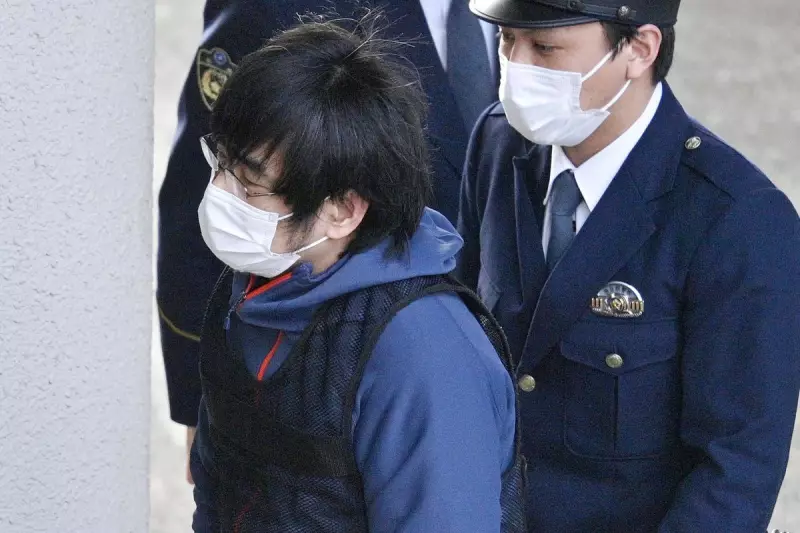
Tetsuya Yamagami, a 45-year-old man, has been sentenced to life in prison for the assassination of former Japanese prime minister Shinzo Abe. The verdict was delivered on Wednesday 21 January 2026, marking a significant conclusion to a case that has deeply impacted Japan's political and social landscape.
Details of the Assassination
Yamagami admitted to shooting Abe in July 2022 during an election campaign appearance in the city of Nara. He used a homemade gun to carry out the attack, which shocked the nation due to Japan's stringent gun control laws. The incident occurred in broad daylight, highlighting vulnerabilities in public security during political events.
Motive Behind the Crime
The motive for the assassination stemmed from Yamagami's intense anger towards the Unification Church. He blamed the religious organisation for his family's financial ruin, alleging that it had exploited them through donations and other means. Yamagami targeted Abe specifically due to the politician's perceived ties to the church, which he believed represented broader political corruption.

Political Repercussions in Japan
The assassination led to widespread scrutiny of the ruling Liberal Democratic Party's connections with the Unification Church. This scrutiny resulted in:
- An internal party investigation into the links between politicians and the church.
- Increased public distrust towards political institutions, sparking debates over transparency and ethics.
- Authorities stripping the Japanese branch of the Unification Church of its tax-exempt status, a move aimed at curbing its influence.
These actions reflect a broader effort to address the fallout from the crime and restore confidence in Japan's governance.
Broader Implications
The case has raised important questions about gun violence, political accountability, and the role of religious groups in society. It serves as a stark reminder of the potential consequences of unchecked grievances and the need for robust security measures at public gatherings.
As Japan continues to honour Shinzo Abe's legacy through memorials and reflections, this sentencing brings a measure of closure to a tragic chapter in the country's history.