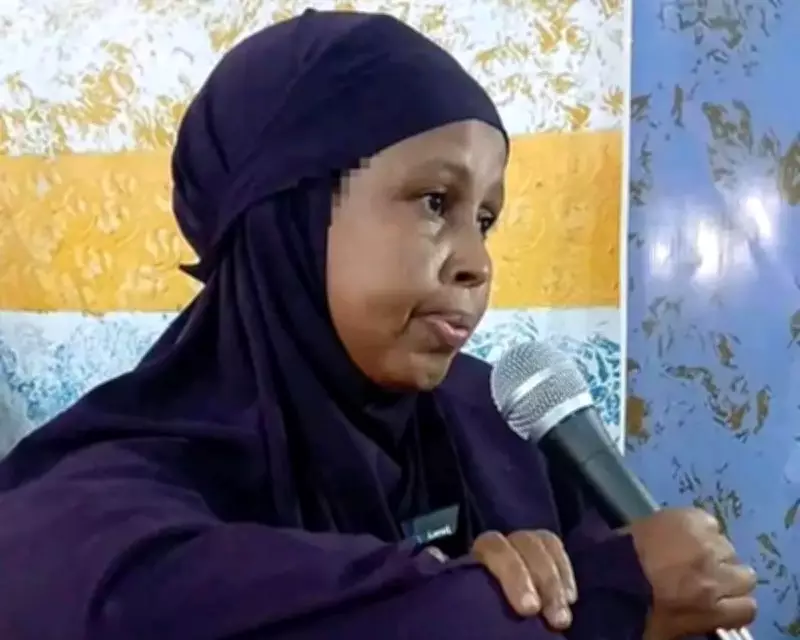
Somalia's Rushed Execution: Questions Over Fair Trial in Child Murder Case
The execution of Hodan Mohamud Diiriye for the torture and murder of 14-year-old Saabirin Saylaan has sparked intense debate in Somalia, raising serious concerns about the fairness of her trial and the broader justice system in the country.
A Tragic Death and Swift Justice
On 12 November last year, Diiriye, a 34-year-old mother of more than 10 children, called her husband to report that Saabirin Saylaan, their 14-year-old great niece who had been living with them for two months, was unconscious. Together, they rushed the girl to a hospital in Galkayo, central Somalia, where medical staff pronounced her dead and alerted the police. Diiriye was arrested shortly after.
Less than three months later, on 3 February, she was executed by a firing squad for murder. This case has caused widespread outrage in Somalia, where child abuse often goes unreported, and it marks one of the rare instances where a court imposed the death penalty on a woman for such a crime.

Public Outrage and Media Sensationalism
During the investigation, police discovered dozens of videos on Diiriye's phone that allegedly showed signs of Saabirin being tortured. These videos were leaked and circulated widely on social media, fueling public anger and galvanising protests. A postmortem revealed that Saabirin died by strangulation, with her body bearing multiple marks and bruises.
When news of her death emerged, family members and other women staged protests, even blocking access to the hospital mortuary to prevent burial. They feared the case might be diverted to a traditional dispute-resolution system, which they believed would not deliver adequate justice.
Doubts Over Trial Fairness
Despite the public perception that justice was served, activists and Diiriye's lawyer have raised significant questions about the fairness of her trial. Guleid Ahmed Jama, a lawyer and founder of the Human Rights Centre in Somaliland, criticises Somalia's justice system as "very poor," citing its decentralised nature and lack of central government establishment.
He explains that the entrenched clan system in Somalia often disadvantages women, who are not afforded the same protections as men. Homicides are common due to a lack of public order and militia presence, but they have become somewhat normalised, with clans frequently settling cases internally when men commit crimes.
Jama notes that Diiriye's case became highly sensationalised in the media because the alleged perpetrator was a woman. "When all the public opinion went against her and when there isn't a proper independent judiciary, that is a very tough situation to be in," he says.
Legal Challenges and Mental Health Concerns
Diiriye and her husband, Abdiaziz Nur Hashi, 75, first appeared in court on 20 November, with proceedings broadcast live due to immense public interest. Hashi, who was rarely at home, claimed unawareness of any abuse; the couple had divorced nine days before Saabirin's death, and he had moved out. He was later sentenced to one year in prison and a $500 fine for negligence, and is now free after paying the fine.
Diiriye pleaded not guilty, with her lawyer, Abdiaziz Mohamed Farah, stating that she claimed mental instability and lack of memory during the trial. On 15 December, the court found her guilty and sentenced her to death.
Farah argues the trial was unlawful, pointing out that Diiriye did not have a lawyer present during her arrest or police questioning, and he had insufficient time to prepare. The court also denied a request for a medical assessment of her mental health. He wanted to call a witness, another domestic worker, but she went missing. Additionally, Diiriye disputed that the person in the videos was Saabirin.
"The trial was unlawful," Farah insists. "It was not in line with international standards. Such cases, especially concerning murder, are not to be handled lightly. This case was mismanaged and instead of giving it the weight and care it needed, it was handled irresponsibly."

Appeal Issues and Gender Bias
Farah attempted to appeal the decision but says his request was ignored because Diiriye had signed a statement declining an appeal, allegedly under family pressure to pay blood money to the victim's family—a promise that proved false. He believes her status as a woman harmed her case, stating, "Because she was a woman, she was seen as a lesser citizen and not equal to a man."
In contrast, Sayid Ali Moalim Daud, sentenced to death for murdering his pregnant wife in January 2024, has not been executed despite exhausting all appeals. Zakarie Abdirahman of the Coalition of Somali Human Rights Defenders suggests this delay may be due to Daud's influential clan connections, highlighting potential inequalities in the justice system.
Broader Implications for Justice
Abdirahman emphasises the need for thorough legal processes, even if guilt is suspected. "Based on my understanding of the local context, I cannot see why they would execute Diiriye without clear justification. It's possible she committed the crime, but even then she should not face a rushed execution. A thorough legal process was necessary, all evidence must have been examined, guilt established beyond reasonable doubt, and her mental health also carefully evaluated."
This case has sparked calls for better child protection measures and reforms in Somalia's justice system, underscoring the challenges of ensuring fair trials in a patriarchal society with deep-seated clan dynamics.