More than a year after a catastrophic wildfire ravaged the exclusive Pacific Palisades neighbourhood of Los Angeles, federal prosecutors are preparing to present their case against the man they allege started it all. The trial of 29-year-old Jonathan Rinderknecht, scheduled for 21 April 2026, will grapple with complex questions of blame and foreseeability in an era of increasingly volatile wildfires.
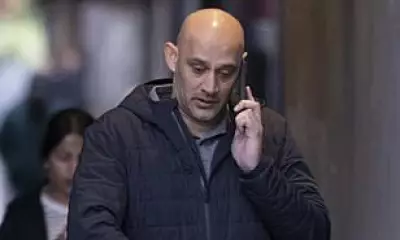
Rinderknecht, a former Pacific Palisades resident and occasional Uber driver, faces three felony charges. Prosecutors claim he used an open flame—likely a lighter—to ignite a small fire in the early hours of New Year's Day 2025. That initial blaze, known as the Lachman fire, burned approximately 8 acres before the Los Angeles Fire Department (LAFD) declared it extinguished.
The Resurrection of a 'Zombie' Fire
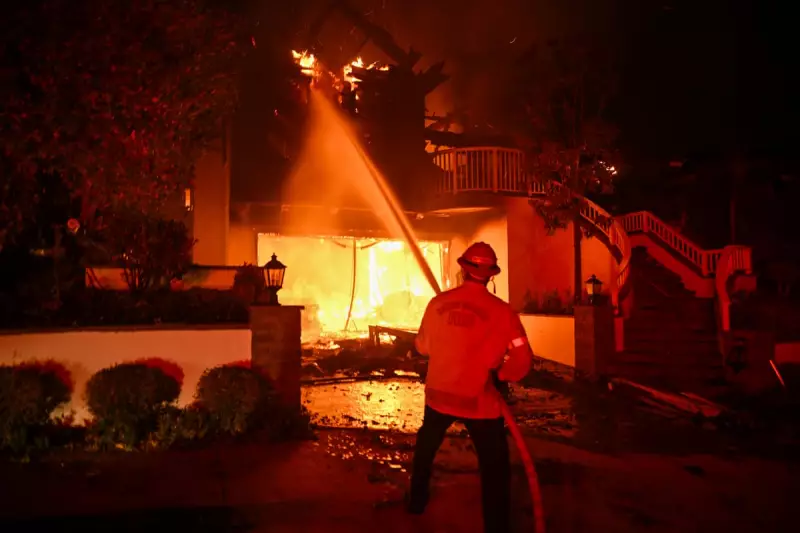
Just five days later, on 7 January, the situation turned apocalyptic. Ferocious Santa Ana winds, reaching speeds of 100mph, whipped the Lachman fire's smouldering embers back into a frenzy. Fuelled by tinder-dry conditions, the resurrected inferno exploded into the Palisades fire—the most destructive wildfire in Los Angeles history.

This phenomenon is known scientifically as a "holdover" or "zombie" fire, where a seemingly dead blaze reignites days later. Experts warn such events are becoming more frequent due to a warming climate. The Palisades fire resulted in the deaths of 12 people and the destruction of an estimated 7,000 structures.
A Battle of Legal Narratives and Blame
The central legal question, according to criminal law expert Professor Aya Gruber of the University of Southern California, is one of foreseeability. Should Rinderknecht have anticipated that his small act could lead to such monumental destruction? Or does responsibility lie with the firefighting authorities who failed to fully suppress the initial blaze?
"Even if [the initial Lachman fire] was a modest fire, was it foreseeable that this turn of events would happen?" Gruber posed. She noted that with California's environmental conditions, small fires can easily spiral out of control.
The defence, led by attorney Steven Haney, argues Rinderknecht is being made a scapegoat. Haney emphasises that his client called 911 multiple times to report the Lachman fire and even offered to help firefighters. He contends the legal duty to fully extinguish the fire rested squarely with the LAFD.
This argument gained traction following investigations by the Los Angeles Times, which revealed firefighters had expressed concerns that the Lachman fire was not fully contained before they were ordered to leave. The paper also found the LAFD's official after-action report was heavily edited across seven drafts, softening criticism of department leadership.
LAFD Chief Jaime Moore later confirmed these allegations, stating, "It is now clear that multiple drafts were edited to soften language and reduce explicit criticism."
The Anatomy of the Prosecution's Case
Federal investigators built a detailed case against Rinderknecht. The complaint outlines how they ruled out other potential causes for the Lachman fire, including:
- Refracted sunlight (it was night-time).
- Fireworks (no evidence or sightings).
- Lightning or electrical faults (none in the area).
- A discarded cigarette (weather conditions made this unlikely).
Prosecutors also present a portrait of Rinderknecht's state of mind. The complaint cites Uber passengers who described him as "agitated and angry" that night. Cell phone data shows he listened to a song by French rapper Josman about "despair and bitterness" moments before the fire began; its music video features a character lighting fires.
Perhaps most damningly, digital evidence revealed Rinderknecht had used ChatGPT months earlier to generate images fixated on fire and destruction, including a burning city and a forest fire with fleeing people.
Prosecutors have characterised Rinderknecht as "reckless," arguing his actions directly caused "one of the worst fires Los Angeles has ever seen." He faces a potential prison sentence of between 5 and 45 years if convicted.

As the 2026 trial date approaches, the case stands as a stark legal examination of individual responsibility, institutional failure, and the terrifying new reality of climate-fuelled "zombie" wildfires.