A Colombian court has imposed a 40-year prison sentence on former paramilitary commander Salvatore Mancuso for a series of brutal crimes committed against Indigenous communities in the northern province of La Guajira.
The Crimes and the Sentence
The special tribunal, set up to handle cases from the nation's long-running armed conflict, found Mancuso directly responsible for 117 separate crimes carried out by his fighters between 2002 and 2006. These offences included homicides, forced disappearances, and the mass displacement of people from the La Guajira community.
In a significant ruling, the court stated that his 40-year sentence could be cut to just eight years if he actively participates in truth-telling and reparation initiatives designed to benefit the victims of his former paramilitary organisation.

Mancuso's Path from Warlord to 'Peace Facilitator'
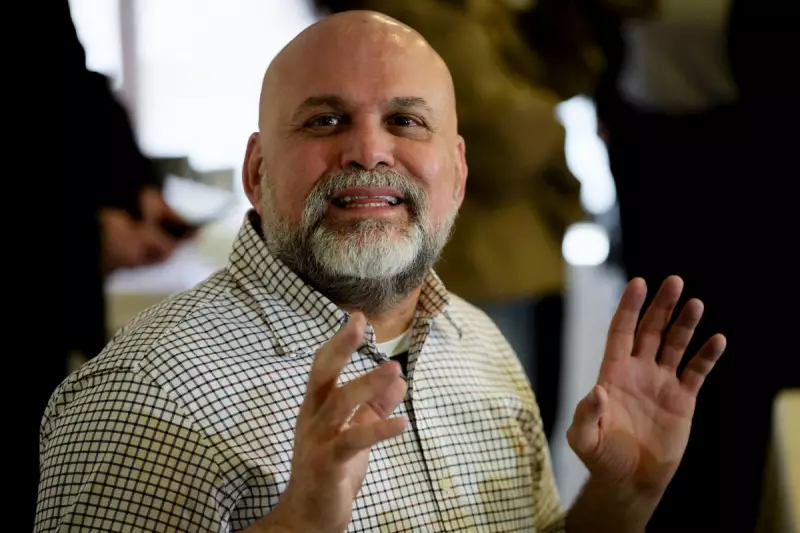
Now 61, Mancuso was a senior commander of the United Self Defense Forces of Colombia (AUC) in the late 1990s. The AUC was a right-wing paramilitary group originally formed to combat Marxist rebels like the FARC. While it pushed rebels out of some areas, it was widely accused of killing hundreds of innocent civilians.
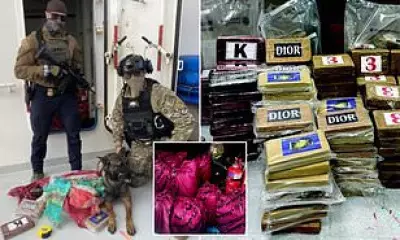
Extradited to the United States in 2008, Mancuso served a lengthy prison term for drug trafficking before being repatriated to Colombia in 2024. Despite holding Italian citizenship, his requests to be sent to Italy were denied.
Upon his return, in a controversial move, Colombian President Gustavo Petro named him a 'peace facilitator'. This role allows him to mediate in government talks with active armed groups, including the Gulf Clan—a powerful militia seen as a successor to the AUC.
The Legacy of Conflict and Ongoing Peace Efforts
Colombia's internal conflict, which raged for decades, resulted in the deaths of at least 450,000 people between 1985 and 2018, according to a 2022 truth commission report. The AUC began disarming in 2003 after a deal with the government offered reduced sentences to its leaders.
The government's current peace process with the Gulf Clan continues. In December, both sides signed an agreement in Qatar for the group's fighters to gather in designated camps, shielded from prosecution while negotiations proceed.
Mancuso's sentencing represents a pivotal moment for transitional justice in Colombia, balancing the demand for punishment with the practical need for cooperation to uncover the truth and provide reparations for countless victims.