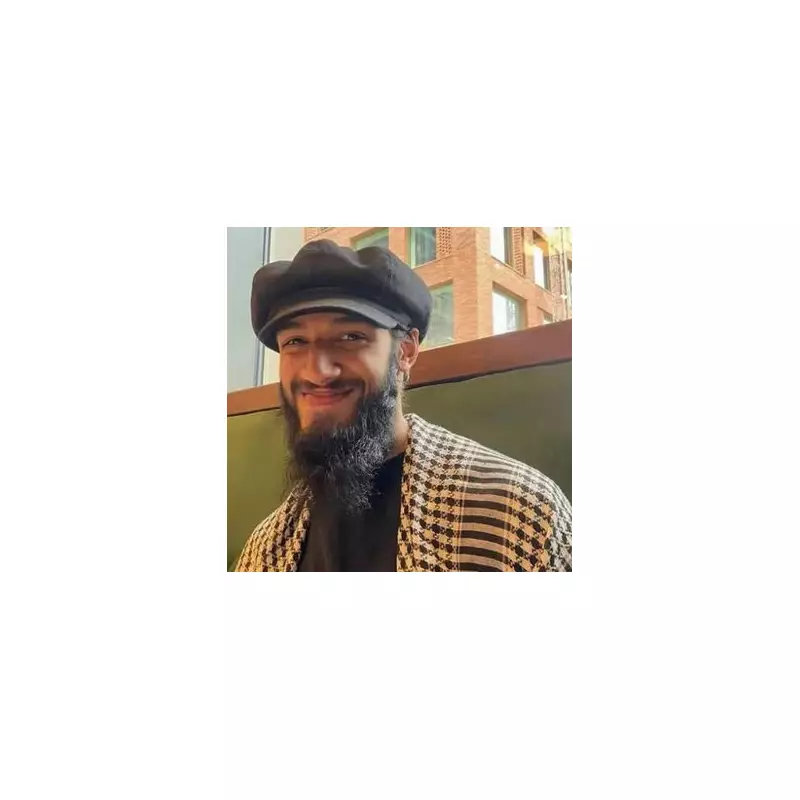
Umer Khalid, a 22-year-old man held on remand at HMP Wormwood Scrubs, has called off his hunger strike after 17 days, following a severe health crisis involving multiple organ failure. The decision came after he was hospitalised in intensive care and met with prison governor Amy Frost to discuss his detention conditions.
Health Crisis Forces End to Protest
Khalid's protest, which included both a hunger strike and a three-day thirst strike, ended when he was admitted to hospital suffering from renal failure, liver failure, low blood pressure, and elevated creatine kinase levels – all indicators that placed him at risk of cardiac arrest. His situation was described as "perilously close to death" by supporters from Prisoners for Palestine.
The prisoner lives with Limb-Girdle Muscular Dystrophy, a rare genetic condition that dramatically increases the dangers associated with hunger strike action. This was his second prolonged hunger strike, having previously undertaken a 12-day protest in December that left him gravely ill and unable to walk.

Meeting with Governor Brings Concessions
Following his meeting with Governor Amy Frost, Khalid received several concessions regarding his detention conditions. These included access to previously withheld post and clothing, along with the removal of restrictions on visits that had been severely curtailed since he was remanded in custody in July 2025.
Prisoners for Palestine representatives claim that Khalid's family were not informed about his hospitalisation and were denied access to his medical records. The organisation has demanded "compassionate bail" for Khalid, arguing that "the prison is simply not equipped to care for someone with Umer's condition."
Weekend Protests and Arrests
On Saturday evening, at least 86 individuals were detained by police for demonstrating outside HMP Wormwood Scrubs, where Khalid remains on remand awaiting trial. He is accused of spray painting aircraft at RAF Brize Norton in connection with pro-Palestine activism.
The protest group claims their actions have delivered significant results, including the scrapping of a £2 billion contract between the Ministry of Defence and Israeli arms manufacturer Elbit Systems, along with improved conditions for detainees.
Prisoner's Statement on Ending Protest
Speaking over the phone, Khalid explained his decision to end the protest in his own words. "At the hospital, I was given a choice between treatment and likely death within the next 24 hours due to kidney failure, acute liver failure, and potential cardiac arrest," he stated.
"At this moment, for two reasons I decided on day 17 to end both my water strike and my hunger strike. The first is that I am too strong, too loud, too powerful, and we as a collective are also too strong, too powerful, and there is so much we can do to affect change."
"The second reason is that they have shown without a doubt that they have no concern for our lives and they do not care if we die in these cells," he concluded, referencing political figures including David Lammy and Keir Starmer.
Official Response and Policy
The Ministry of Justice has previously stated that reports of thirst strikes are "extremely concerning" and that the dangers are explained to prisoners by healthcare experts. In a statement, they said: "Prisoners are being managed in line with longstanding policy. This includes regular checks by medical professionals, heart monitoring and blood tests, and support to help them eat and drink again. If deemed appropriate by healthcare teams, prisoners will be taken to hospital."
The case continues to draw attention to detention conditions and protest rights within the UK prison system, particularly regarding individuals with serious medical conditions held on remand.