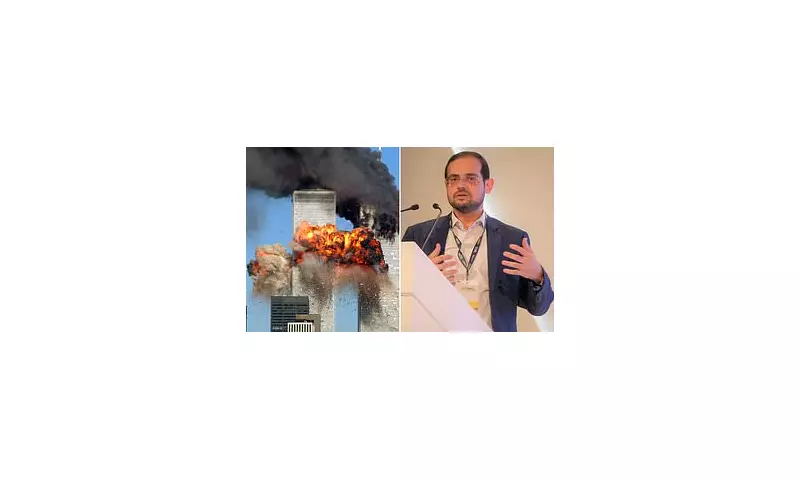
A former Al-Qaida operative who spent eight years as a spy for MI6 has issued a stark warning, stating that the United Kingdom is home to 'hundreds' of potential Al-Qaida sleeper agents, making another catastrophic terror attack on the scale of 9/11 or the 7/7 bombings a matter of 'when' it will happen, not 'if'.
From Jihadist to Intelligence Asset
Aimen Dean, who personally pledged allegiance to Osama Bin Laden as a teenager, underwent a profound change of heart following the devastating 1998 US embassy bombings in East Africa. After feigning illness to escape the terror group, he was approached by MI6 just nine days later in Qatar. Recognising his unique skills and insider knowledge, the Secret Intelligence Service (SIS) rapidly recruited him.
For years, Dean operated as a double agent within Al-Qaida's upper echelons, smuggling critical secrets to British intelligence that are credited with foiling major plots, including a planned attack on the New York City subway. His dangerous work is believed to have saved hundreds, if not thousands, of lives.

The 'Hundreds' of Sleepers and the Iranian Focus
Dean now argues that the West is mistakenly fixated on Russia as its primary adversary. He asserts that the biggest threat stems from the spread of Islamic extremism and, crucially, Iranian influence. He claims Iran hosted Al-Qaida for a quarter of a century, enabling the establishment of sleeper cells capable of targeting British nationals abroad and at home.
"A threat like Iran needs to be countered because of the fact that they are a nation that has sponsored terrorism," Dean stated. While it is "impossible" to give a precise number, he estimates there are at least 'hundreds' of potential Al-Qaida members currently in the UK, lying in wait for activation. He also predicts a rise in 'lone-wolf' style attacks in the future.
A Life in the Shadows and a Narrow Escape
Dean's memoir details the constant terror of being discovered. In 2001, he was summoned by one of Bin Laden's closest allies, convinced his cover was blown. Instead, he was tasked with delivering a cryptic message to four operatives in London, telling them to leave the UK before September 1st because "something big" was going to happen. The 9/11 attacks occurred weeks later.
His undercover life ended after an article in Time magazine indirectly revealed his identity, forcing MI5 and MI6 to exfiltrate him to a safe house in London under a new name. Despite the close calls, his intelligence from inside the terror network proved invaluable in the fight against global jihadism.
Dean's chilling assessment serves as a sobering reminder of the persistent and evolving terrorist threat facing the UK, urging a strategic re-evaluation of security priorities to counter what he sees as the enduring danger from Al-Qaida and its state sponsors.