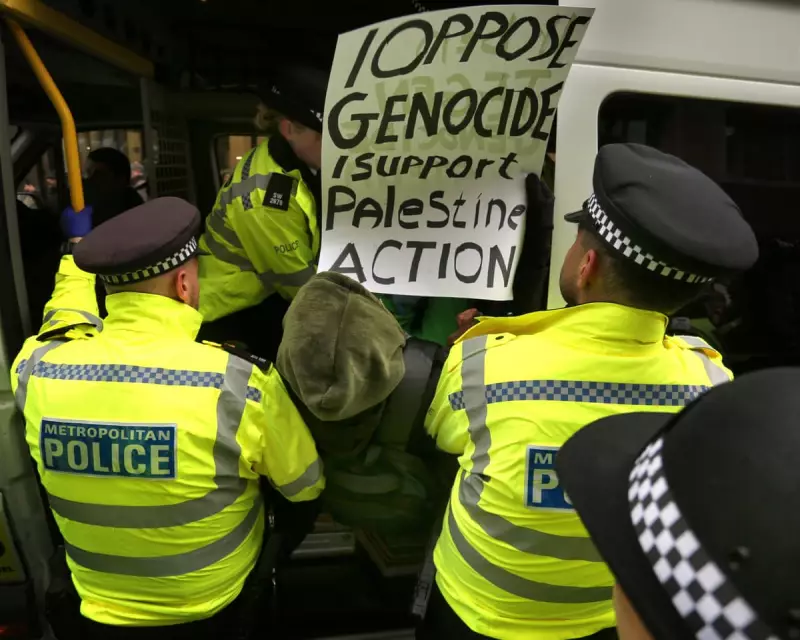
A senior official within the Home Office's homeland security group has issued a stark warning that the government's ban on the direct action group Palestine Action could lead to people being wrongly criminalised and risks overwhelming the UK's anti-terrorism Prevent programme.
Confusion on the Frontline
The official, who works closely with the Prevent scheme and requested anonymity, stated that the proscription of Palestine Action – which came into effect on 5 July – has already sown confusion among counter-terrorism police, officials, and in public institutions like schools and hospitals.
Under the Terrorism Act, being a member of or showing support for a proscribed group is a criminal offence. The official expressed serious concern that individuals involved in general Palestine advocacy, but who do not support Palestine Action, could be mistakenly labelled as extremists. Furthermore, people expressing support for the now-banned group who pose no genuine threat could be incorrectly referred to the Prevent scheme.

"I'm concerned about a surge in referrals to the Prevent system that might have a link to Palestine advocacy," the official told the Guardian. "I've heard senior counter-terrorism police people say that they are already seeing on the frontline concerns about this come up."
Unprecedented Pressure on Prevent
The warning comes at a time when the Prevent duty, which requires authorities in education, health, and local government to report concerns about radicalisation, is already under significant strain. Figures released earlier this month revealed that referrals to the programme increased by 27% in the year to March 2025, reaching their highest level since records began.
The homeland security official fears this pressure could become unsustainable. "We have already seen police officers, let alone frontline Prevent practitioners, mistakenly arrest or interfere with people for supporting Palestine, not supporting Palestine Action," they said.
They highlighted a particular risk for young people, stating, "There is a risk that what's now the crime of support for Palestine Action might lead to the Prevent system becoming an unwitting sort of gateway for people to mistakenly be criminalised, especially young people who don't know the law."
Legal Challenge and Eroding Trust
This internal concern is echoed by the independent Prevent reviewer, David Anderson KC. During a pre-proscription debate in the House of Lords, Anderson noted that the ban could mean "anyone who is young and foolish enough to say that its heart is in the right place... is committing a very serious offence for which they could be prosecuted, convicted and imprisoned as a terrorist."
A legal challenge to the government's ban on Palestine Action is scheduled to be heard this week. The Home Office official who spoke out believes the proscription has already damaged vital counter-terrorism work, stating, "The proscription has damaged trust in the government more widely and Prevent specifically – so potentially eroding Prevent's effectiveness to tackle the real issues even further."
In response to these claims, a Home Office spokesperson said, "We do not comment on anonymous briefings. Supporting Palestine is not the same as supporting a proscribed terrorist organisation. There are many lawful ways to express support for Palestinian rights and sovereignty without being a member of, or associated with, this harmful group."