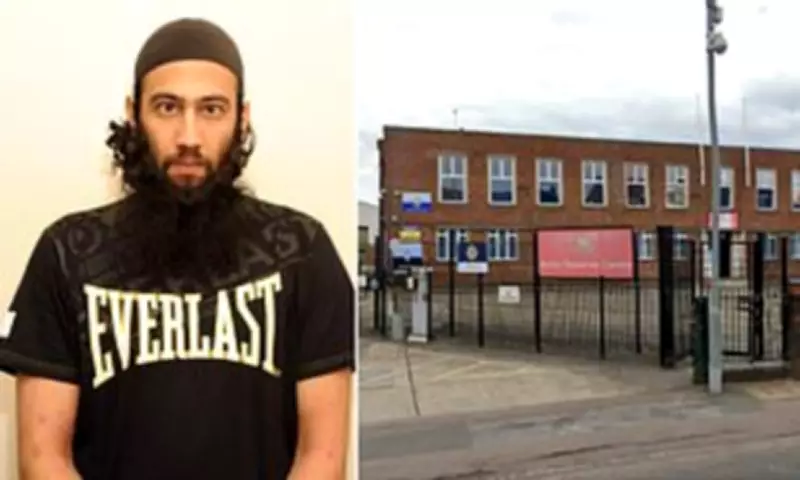
Parole Board Approves Early Release of Luton Terror Plotter
The Parole Board has directed the release of Zahid Iqbal, a British terrorist who was imprisoned for his role in an al Qaida-inspired plot to attack a Territorial Army centre in Luton. Iqbal, who was sentenced to 16 years in prison in 2013, can now be freed approximately three years earlier than his maximum term, following a recent oral hearing decision at the end of January.
Details of the Terrorist Plot
Zahid Iqbal and his co-conspirator, Mohammed Sharfaraz Ahmed, meticulously planned to use a remote-controlled toy car to deliver a homemade bomb under the gates of a Territorial Army centre on Marsh Road in Luton. Covert recordings captured Iqbal suggesting the method, noting the "quite a big gap" at the bottom of the gate, which he believed could accommodate a small toy car to drive underneath a vehicle.
The pair discussed constructing an improvised explosive device using instructions from an al Qaida manual titled Make A Bomb In The Kitchen Of Your Mom, authored by 'the Al Qaida chef'. Their arrest came after a series of raids at their homes, and they both admitted to one count each of engaging in conduct in preparation for acts of terrorism.

Sentencing and Parole Decision
At Woolwich Crown Court in 2013, Mr Justice Wilkie sentenced Iqbal and Ahmed to 16 years in prison, with a minimum term of 11 years and three months to be served. The Parole Board's recent ruling to release Iqbal has sparked controversy, as it comes before the completion of his full sentence.
A spokesperson for the Parole Board emphasized that their decisions are solely focused on assessing the risk a prisoner poses to the public and whether that risk can be managed in the community. The panel reviewed extensive evidence, including details of the original crime, behaviour changes, victim impact statements, and testimony from probation officers, psychiatrists, and prison officials.
Political and Public Reaction
Shadow home secretary Chris Philp has strongly opposed the decision, writing to the Justice Secretary to urge a veto. Philp highlighted the ongoing threat of Islamist extremism in the UK, stating, "That is why the Government must veto the decision to release Zahid Iqbal and keep him behind bars."
The Parole Board defended its process, noting that parole reviews are conducted with extreme care and that protecting the public is their top priority. Hearings often last a full day or more, involving thorough questioning of the prisoner and witnesses, and the digestion of hundreds of pages of evidence.
This case underscores the complex balance between rehabilitation and public safety in the criminal justice system, as authorities navigate the release of individuals convicted of serious terrorism offences.