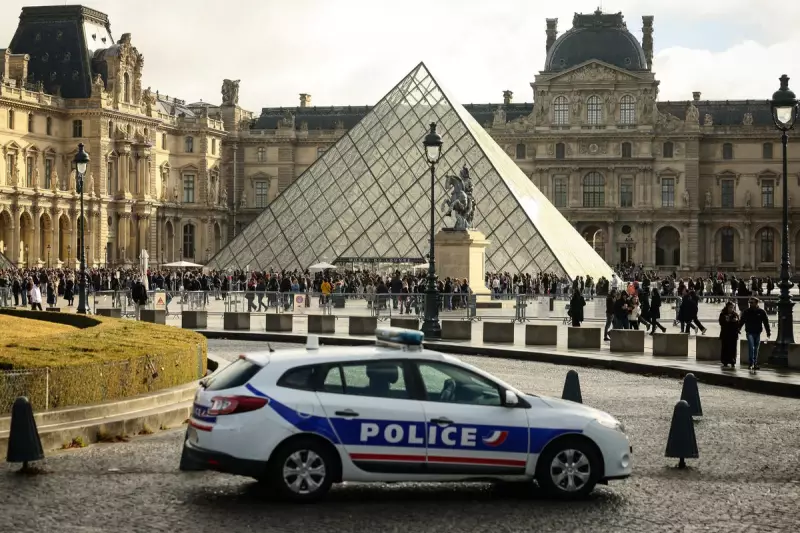
France's prestigious Louvre Museum has been rocked by a sophisticated overnight theft that has exposed serious security vulnerabilities at one of the world's most visited cultural institutions.
Culture Minister Rachida Dati has demanded immediate answers after thieves successfully breached the museum's defences, making off with an undisclosed number of valuable artefacts in what appears to be a carefully planned operation.
Security Failures Under Scrutiny
The brazen heist has prompted an urgent review of the Louvre's protection systems, with Minister Dati expressing grave concerns about how intruders managed to bypass what should have been state-of-the-art security measures.

"This incident raises troubling questions about the effectiveness of current security protocols at our national museums," a ministry spokesperson stated. "We cannot allow our cultural heritage to be vulnerable to such criminal enterprises."
International Implications for Museum Security
The theft at the Louvre - home to iconic works including the Mona Lisa and Venus de Milo - has sent shockwaves through the international art community. Museum security experts worldwide are now reassessing their own protection strategies in light of this sophisticated breach.
Investigators are examining how the thieves circumvented multiple layers of security, including surveillance systems, motion detectors, and overnight patrols that should have detected any unauthorized activity.
Ongoing Investigation and Recovery Efforts
French authorities have launched an international alert through Interpol to track the stolen items and prevent their sale on the black market. The investigation involves multiple agencies working to identify the perpetrators and understand the full scope of the security failure.
Meanwhile, the Louvre faces difficult questions about how to prevent future incidents while maintaining public access to its priceless collections. The museum has temporarily enhanced security measures while the comprehensive review takes place.
This incident serves as a stark reminder that even the most secure institutions remain vulnerable to determined criminals, and has sparked a broader conversation about protecting cultural treasures in an increasingly sophisticated criminal landscape.