Victim of 25-Year 'Dickensian' Servitude Speaks Out as Abuser Jailed
A woman who was imprisoned and forced to work for over a quarter of a century in what has been described as "Dickensian" conditions has spoken out about her ordeal, stating that nothing can return the lost years of her life. Her abuser, Amanda Wixon, aged 56, has been sentenced to 13 years in prison for keeping the victim captive at a home in Tewkesbury, Gloucestershire, since the 1990s.
In a powerful statement released as Wixon was sentenced at Gloucester Crown Court, the victim, now in her 40s, expressed the deep psychological scars left by the abuse. "For 25 years I lived in fear, control and abuse," she said. "I was treated as though my life, my freedom and my voice did not matter. The trauma and the nightmares are something I still carry with me every day." She added that she is now living with a supportive family who are helping her rebuild her life, but emphasized that the lost decades cannot be reclaimed.
Details of the Abuse and Investigation
The court heard harrowing details of the victim's suffering. Wixon subjected her to physical assaults, including beating her, squirting washing-up liquid down her throat, splashing bleach on her face, and forcibly shaving her head. The victim was forced to live off scraps, was not allowed to leave the house, and had to wash secretly at night. Her benefit money was paid directly into Wixon's account, further entrapping her.

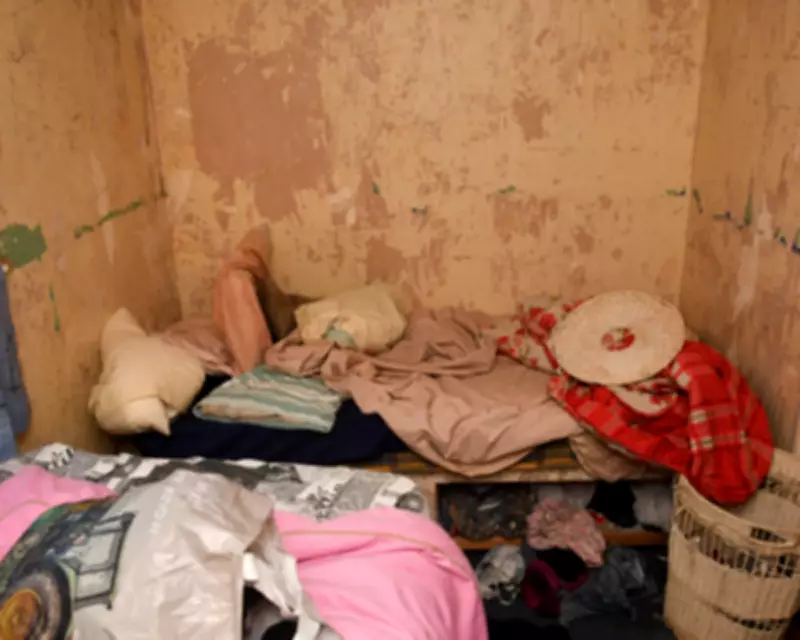
Police discovered the woman in 2021 after receiving a tip-off. When officers arrived, they found her with scarring on her lips and face, and large calluses on her feet and ankles from being constantly on her hands and knees cleaning floors. The house was described as overcrowded, with mould on the walls, crumbling plaster, and rubbish in the garden. Her bedroom was likened to a prison cell.
Bodycam footage from the police showed Wixon attempting to downplay the situation, describing the victim as "quite reclusive" and claiming she could not remember when the woman last had a bath. Voice notes found by police revealed the victim's desperation, with her saying in one recording, "I was in agony last night, I was crying ... I had no one to speak to," and in another, expressing a wish to take the family dog for walks, something she was forbidden from doing.
Systemic Failures and Calls for Accountability
The case has sparked growing calls for social services to explain why the victim, who has learning disabilities, slipped through the net for so long. The court heard that social services were involved with the family in the late 1990s, but there was no record of contact thereafter. The victim had no medical or dental records and had not seen a doctor in two decades.
Sam Jones, for the prosecution, stated bluntly, "The fact remains that nothing was done by social services." A neighbour claimed to have contacted social services with concerns, seeing the victim knocking on the window, but said no action was taken. "I made phone calls for social services, nothing was ever done. Social services failed her massively," the neighbour reported.
Charities like Unseen, which supports victims of modern slavery, have called for increased training for professionals to better identify signs of domestic servitude. Lauren Saunders, the charity's deputy director of frontline services, highlighted the low awareness of such exploitation, noting it often occurs in private homes and is easily overlooked.
Response from Authorities and Future Steps
Judge Lawrie remarked on the "Dickensian quality" of the situation during sentencing. In response, Gloucestershire County Council stated that they were unaware of the victim's plight until the police investigation began in 2021. A spokesperson praised the victim's bravery and confirmed that she is now receiving support from adult social care services. The council has committed to conducting a review to improve inter-agency efforts in spotting and preventing such abuse in the future.
This case underscores the urgent need for vigilance and improved protocols in safeguarding vulnerable individuals, particularly those with disabilities, from exploitation and abuse in domestic settings.