For five decades, Neil Jackson has carried the unimaginable weight of grief following his mother's brutal murder. Now, as he marks the 50th anniversary of that tragic day, he reveals his heartfelt desire to be laid to rest beside her, seeking a final reunion that has eluded him for half a century.
A Son's Unending Grief and Hope for Reunion
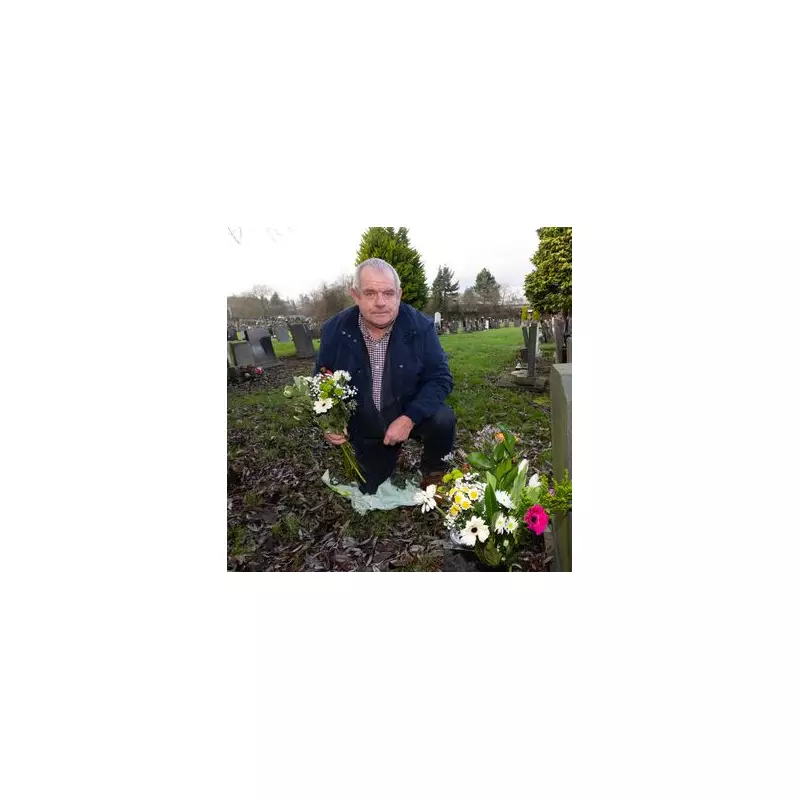
Neil Jackson, now 67, made his regular pilgrimage to Leeds Cottingley Cemetery this week, carrying carnations – his mother Emily's favourite flowers. Standing at her graveside, he whispered, "I'm here again, mam", a ritual he has maintained through years of profound loss. Emily Jackson was just 42 when she became Peter Sutcliffe's second victim in January 1976, snatched from the streets of Leeds and subjected to a horrific attack that would devastate her family forever.
The Night That Shattered a Family
Neil was only 17 when police arrived at their family home with the devastating news. His father was too distraught to identify the body, leaving the traumatised teenager to confirm the murder victim was his mother. "It was very, very upsetting, especially at that age," Neil recalls. "I just nodded to them that it was her. I found it difficult to speak. That's a nightmare I don't ever want to repeat."

The family's world collapsed that night. Neil describes how their home turned "cold and dark" after his mother's death, with curtains drawn for days in mourning. "She was like the backbone of the family," he explains. "When Sutcliffe killed mam, they didn't just kill mam – he killed the whole family."
Remembering Emily: A Mother with a Heart of Gold
Those who knew Emily Jackson remember her as a vibrant, generous woman who was the centre of her family and community. Dr Jane Carter Woodrow, a close family friend who co-wrote the book 'After Evil' with Neil, describes how Emily would give away fruit and vegetables from their family business to customers in need, work late into the night doing bookkeeping for the roofing business, and was known for her jolly nature.
"She was the best mum in the world," Neil says simply. "Jolly and with a heart of gold." His house remains filled with photographs of his mother, and he speaks to her regularly, maintaining a connection that death could not sever.
The Ongoing Impact of Sutcliffe's Crimes
Peter Sutcliffe's murderous spree between 1975 and 1980 claimed 13 women's lives and left at least seven more with serious injuries. The Yorkshire Ripper's death in prison in 2020 from COVID-19 brought Neil some relief. "It was a big relief when he died," he admits, expressing frustration at how Sutcliffe "conned the Government, the prison service out of millions" by feigning insanity.
A Grave Without a Headstone
For fifty years, Emily Jackson's grave has stood without a proper headstone due to family circumstances following her death. Neil is now rectifying this, commissioning a memorial with a heart design that will bear her name and those of her son, grandson, and great-grandson. "I'm hoping it will be done by March, April time," he says. "It is just a bit upsetting because it's just a grave and I want to show her that respect."
Victim Blaming and Lasting Trauma
Dr Woodrow is critical of how victims and their families were treated fifty years ago, particularly the distinction police and prosecutors made between "respectable" victims and those labelled as sex workers. "This was not only another blow to the victim's families like Neil," she explains, "but made their relatives' lives seem worth less, and even that they were culpable of their own murders."
This victim-blaming culture added another layer of pain to families already shattered by loss. Emily Jackson had been told to work as a sex worker to help pay family bills, a fact that was used to diminish the tragedy of her murder in some quarters.

A Special Bond That Endures
Neil and his mother shared a particularly close bond that had strengthened years earlier when Neil's older brother died in a freak accident. Emily had helped her son through that grief, and they had become the best of friends, working together on the family fruit and vegetable round and supporting each other through life's challenges.
As Neil left the cemetery after his latest visit, he told his mother: "Mam, I will see you in a couple of months." But his deeper hope is for a more permanent reunion. "I would like to be buried near her," he confesses. "Losing our mam and not seeing her again was really devastating. I hope there's space for me when it's my time in the same cemetery. It would give me some comfort to know we're back together."
Five decades after an unimaginable tragedy, a son's love for his mother continues to shine through the darkness, sustained by memories of a wonderful mum, sister, niece, daughter, and friend whose life was tragically cut short but whose spirit lives on in those who loved her.