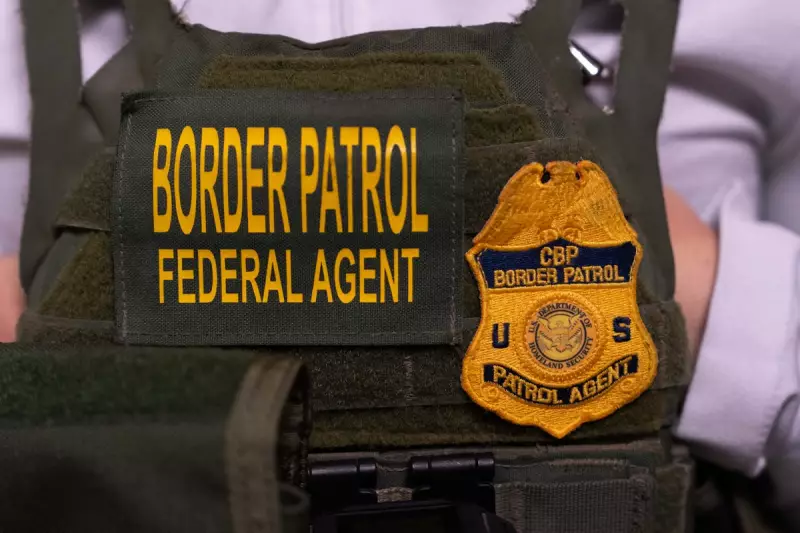
A US Border Patrol agent has been charged with reckless homicide following the fatal shooting of a Chicago woman during a heated argument about loud texting, in a case that has raised serious questions about off-duty conduct.
Disturbing Details Emerge
Juan Pablo Martinez, 31, now faces serious legal consequences after prosecutors revealed he shot 26-year-old Ana D. Lugo following a dispute over her loud texting in their shared apartment building. The incident occurred in Chicago's West Town neighbourhood, turning a mundane disagreement into a deadly confrontation.
The Night of the Shooting
According to court documents, the altercation began when Martinez confronted Lugo about the volume of her texting in the early hours of the morning. What started as a complaint about noise quickly escalated, with Martinez allegedly retrieving his personal firearm during the argument.

Prosecutors state that Martinez fired multiple shots, striking Lugo in the chest. Despite emergency services rushing her to Stroger Hospital, she was pronounced dead shortly after arrival.
Contradictory Statements
During police questioning, Martinez provided conflicting accounts of the incident. Initially claiming self-defence, he later admitted to investigators that he "lost his temper" during the confrontation. This admission proved crucial in the decision to file reckless homicide charges.
Legal Proceedings and Fallout
Martinez appeared in Cook County Circuit Court where a judge set bail at $200,000. The Border Patrol has placed the agent on administrative duties pending the outcome of the investigation and legal proceedings.
The case has drawn attention to the conduct of law enforcement officers while off-duty and their access to firearms during personal disputes. Community members in Chicago have expressed concern about the incident, calling for greater accountability.
Ongoing Investigation
Chicago police continue to investigate the circumstances surrounding the shooting. The Cook County State's Attorney's office emphasised that the evidence supported the reckless homicide charge, noting the disproportionate response to what began as a minor disagreement.
As the legal process unfolds, the case serves as a tragic reminder of how quickly everyday disputes can turn fatal when firearms are involved.