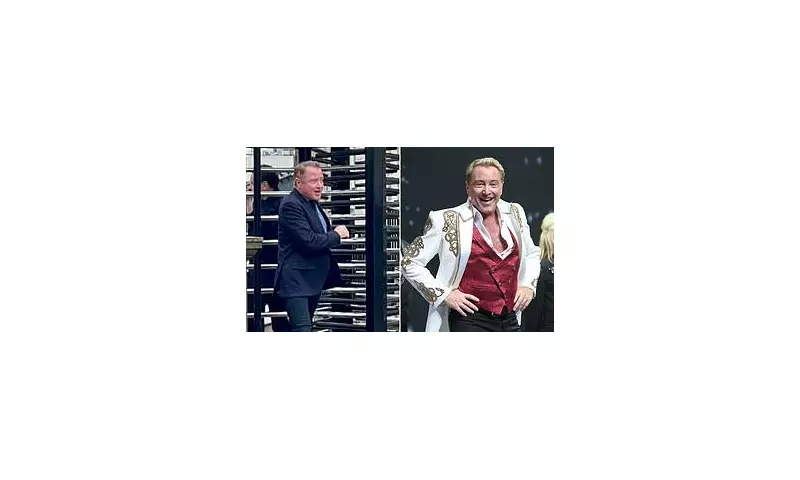
Michael Flatley's Legal Battle Over Lord of the Dance Control Heats Up in Belfast Court
Lawyers representing the world-renowned Irish dancer and choreographer Michael Flatley have argued in court that an injunction taken against him is an attempt 'to control and demand and dictate what happens in relation to Lord Of The Dance'. The legal dispute centres on a management agreement with Switzer Consulting, which Flatley's legal team claims entitles the firm only to a fee, not creative control over the iconic stage production.
Background of the Dispute and Upcoming Tour
The Irish traditional dancer rose to international prominence after performing Riverdance at Eurovision in 1994, before creating the globally successful stage show The Lord Of The Dance. The production is currently gearing up for its 30th anniversary tour, which is scheduled to perform at Dublin's 3 Arena on February 5, with further dates planned for 2026 across the UK, Germany, Croatia, Slovakia, and the Czech Republic. However, this celebratory tour is now overshadowed by a contentious legal battle.
Court Proceedings in Belfast
At The Chancery Court in the Royal Courts of Justice in Belfast on Tuesday, Gary McHugh KC, representing Switzer Consulting, indicated that the firm would require additional time before the case is fully heard. This request came after a second affidavit from Michael Flatley was provided late on Monday afternoon, raising what McHugh described as 'new issues, but issues that are very relevant' to the choreographer's financial management and credibility.

Switzer Consulting has initiated a civil case against Flatley for alleged breach of contract, relating to an agreement the firm asserts allows it to run the dance shows. The company has already secured a temporary injunction to prevent Flatley from interfering with the productions, a move that Flatley's lawyers have previously warned could cause the performance to 'fall apart' without his involvement.
Arguments from Flatley's Legal Team
David Dunlop KC, acting for Michael Flatley, outlined the terms of the service agreement in court. He explained that Flatley transferred intellectual property rights for Lord Of The Dance to Switzer, with the firm then obligated to provide business management services such as accounts and payroll. Under this arrangement, Switzer was to receive fees of £35,000 per month for the first 24 months, increasing to £40,000 per month thereafter.
Dunlop contended that Switzer's position is being misrepresented, stating: 'What we therefore have is Switzer, the servicing agent, reading an application, saying, in essence, it by virtue on licence, has proprietary interest to hold, to control and demand and dictate what happens in relation to Lord Of The Dance. But in fact what Switzer has, at its height, is a right to be paid for services.' He later emphasised that 'Switzer is nothing more than a management agent entitled to a fee' and should not have the authority to halt Flatley's creative engagement.
Financial Revelations and Trust Issues
Further complicating the case, Dunlop revealed that Switzer Consulting filed new accounts over the weekend, significantly increasing its valuation based on the Lord Of The Dance intellectual property. At the start of 2024, Switzer's net asset position was reportedly negative by nearly £30,000, with creditors due over £230,000 and current assets of £221,000. The fresh accounts now show net assets of approximately £2.1 million, attributing this value largely to the licence agreement with Flatley.
Dunlop argued that this restatement essentially attaches a value of more than £2 million to the intellectual property rights under the licence, a move he suggested inflates Switzer's financial standing. Additionally, he disclosed that Flatley's legal team had applied for a Declaration of Trust last week, which confirmed Flatley's suspicions that he holds the entire beneficial interest in Switzer Consulting, held in trust by his former financial advisers. Dunlop noted the irony that Flatley is being denied access to the very document that grants him this beneficial interest, describing the situation as 'bizarre'.

Next Steps and Implications
The full case is set to be heard on Wednesday, at which point the judge will indicate his views on whether the temporary injunction should continue. This decision will determine if Michael Flatley can resume his engagement with Lord Of The Dance ahead of the imminent Dublin performance. The outcome could have significant ramifications for the management of intellectual property in the entertainment industry and the balance of power between artists and their management firms.
As the legal drama unfolds, fans and industry observers alike await the court's ruling, which will not only affect the upcoming tour dates but also set a precedent for similar contractual disputes in the performing arts sector.