Sidcup Ulez Camera Bomb Trial Hears Defendant's 'Facebook Police' Explanation
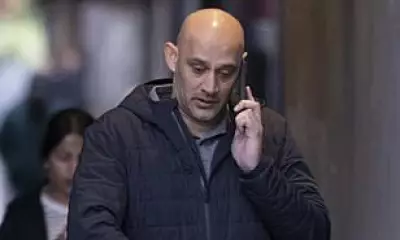
A man accused of detonating an explosive device targeting a Ulez camera in east London told jurors he initially believed counter-terrorism officers were actually 'Facebook police' coming to arrest him for inappropriate online comments. The unusual claim emerged during testimony at Woolwich Crown Court where 63-year-old Kevin Rees is standing trial for allegedly causing the explosion on Willersley Avenue in Sidcup.
December Incident and Arrest Details
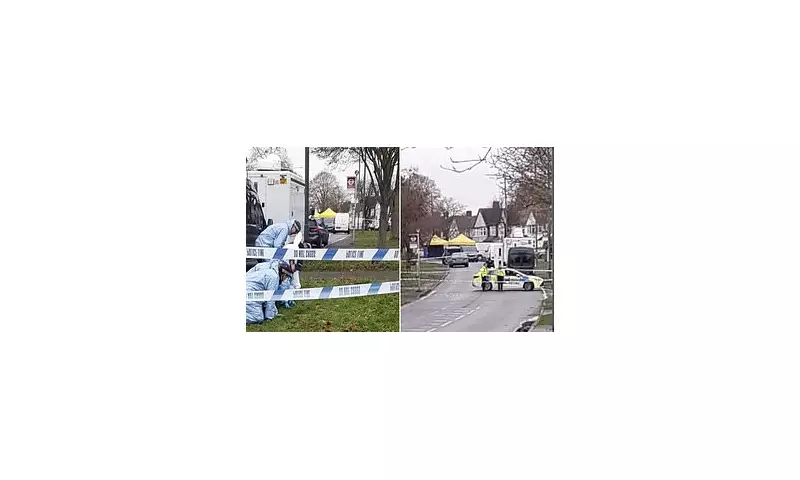
The court heard that the low-sophistication device exploded on December 6, 2023, targeting a Ulez camera that had already been damaged earlier that same day by another individual. Stephen Harwood-Stamper had previously pleaded guilty to cutting down the camera pole, with a different person allegedly causing the subsequent explosion when the equipment was already on the ground.
Rees, a retired domestic appliance service engineer from Harcourt Avenue in Sidcup, Kent, was detained by counter-terrorism officers on December 18, 2023. During his testimony, he explained his initial confusion about the nature of his arrest: 'I assumed it was just the so-called Facebook police. People you hear being arrested for making bad or inappropriate comments on Facebook pages - that's well-known, as it's been on the news.'

Defendant's Account and Alibi Issues
Rees has maintained his complete innocence throughout the proceedings, telling the jury: 'I had no involvement whatsoever' in the explosion. When directly questioned by defence counsel Simon Ray about whether he was responsible, Rees responded: 'No, I'm not. Not something I would do.'
The defendant told the court he first learned about the Willersley Avenue explosion through a Facebook group for local news, and when arrested, he asked officers if his detention had 'something to do with the anti-Ulez sites.' He explained: 'There was only one explosion that was on the news and that was the one in Sidcup.'
However, the prosecution presented evidence challenging Rees's account of his whereabouts on the evening of December 6, 2023. While Rees told police he was at a friend's house fitting a new kitchen, CCTV footage allegedly showed him leaving the property mid-afternoon and not returning in the evening. Rees acknowledged this discrepancy to jurors: 'I was 100 per cent convinced I was at his house - as I still am now, in my head. But I have seen CCTV of me leaving the property, so, obviously, I was not there.'
Additional Charges and Personal Background
Beyond the explosion charge, Rees faces three additional counts of possessing prohibited weapons relating to what the prosecution describes as 'stun guns' allegedly found during a police search of his home. The defendant contested this characterization, telling the court he made the devices himself and they were not stun guns.
When questioned about his interest in Ulez cameras and anti-Ulez Facebook groups, Rees cited 'boredom, and, almost, a community' as motivations, adding: 'I'm retired, not much else to do - didn't particularly interest me that much.' He further explained his technical background, noting he takes 'great pleasure' in 'tinkering about with electrical devices' due to his professional experience as a service engineer.
Ongoing Legal Proceedings
The trial continues at Woolwich Crown Court with Rees facing one count of causing an explosion likely to endanger life or cause serious injury to property, alongside the three weapons possession charges. The case has drawn attention to the ongoing tensions surrounding London's Ultra Low Emission Zone expansion and the sometimes extreme reactions it has provoked from opponents.
Forensic examination of the explosion site revealed the extent of damage caused by the device, which sent metal shrapnel blasting into nearby cars and homes according to previous reports. The court will continue to examine the evidence surrounding both the initial camera damage by Harwood-Stamper and the subsequent explosion that forms the basis of the current trial.