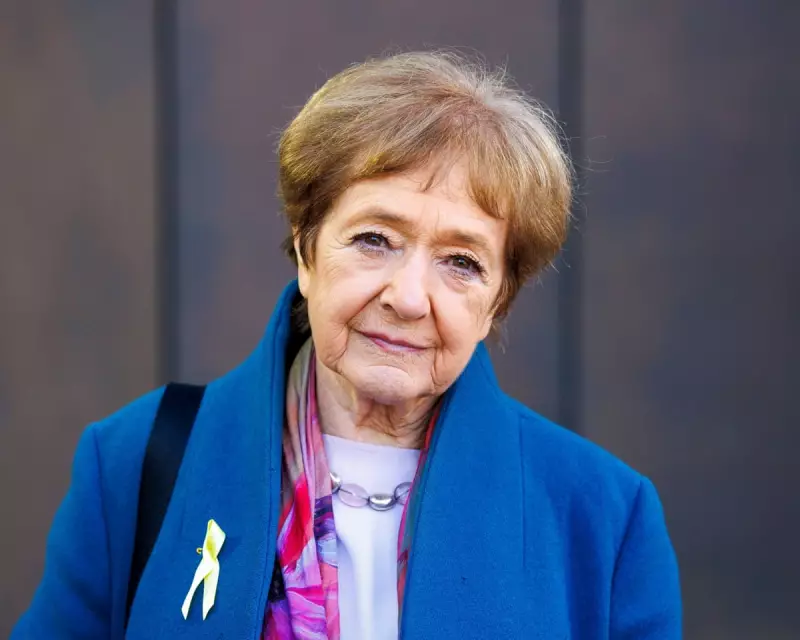
A major independent review has delivered a stark warning: public funding for the arts in England must be protected from political interference. The long-awaited report, led by former culture minister Dame Margaret Hodge, proposes a radical overhaul to safeguard the £467 million in annual grant-in-aid distributed by Arts Council England (ACE).
The Core Recommendation: A New Independent Watchdog
The centrepiece of the Hodge report is the creation of a new, independent oversight body. This proposed "Council for England's Arts and Culture" would act as a buffer between government and the Arts Council. Its primary role would be to monitor and approve ACE's funding decisions, investment strategies, and the implementation of its 10-year strategy, ensuring they are driven by artistic and cultural merit rather than political pressure.
The review was commissioned in late 2023 by the then culture secretary, Lucy Frazer, following significant controversy. This included the relocation of Arts Council England's headquarters from London to Manchester and a contentious redistribution of funds away from London-based organisations, which many in the sector perceived as politically motivated. Dame Margaret stated the current system allows ministers to exert "subtle and not-so-subtle" influence, undermining the "arm's length principle" that has traditionally protected cultural funding.

Addressing the "London vs. Regions" Funding Divide
A critical focus of the report is the perennial tension between funding for the capital and for the rest of England. While acknowledging the importance of supporting culture nationwide, the Hodge review cautions against a simplistic approach that could damage London's status as a global cultural powerhouse.
It argues that past funding shifts, like those initiated by former culture secretary Nadine Dorries, were often driven by political narratives rather than a coherent long-term strategy. The report recommends that any future geographical rebalancing of funds must be evidence-based, transparent, and managed over a sensible timeframe to avoid destabilising vital cultural institutions.
Broader Reforms and Sector Reaction
Beyond the new watchdog, the report makes several other key recommendations:
- Long-term Funding Settlements: The government should move towards multi-year funding agreements for ACE, providing greater stability for arts organisations.
- Transparency in Appointments: The process for appointing the Chair and senior leadership of ACE must be made more transparent to prevent political patronage.
- Clarification of Roles: A formal memorandum of understanding should be established to clearly define the respective roles of the Department for Culture, Media and Sport (DCMS) and Arts Council England.
The initial response from the sector has been largely positive. Leading arts figures have welcomed the report's robust defence of artistic independence. However, the ultimate test will be the government's response. The report's recommendations require ministerial approval, and the political will to relinquish direct influence over a significant budget remains uncertain. A government spokesperson stated they would "consider the findings carefully and respond in due course."
If implemented, the Hodge report would mark the most significant restructuring of English arts funding in decades. It seeks to depoliticise cultural investment and ensure that decisions affecting the nation's theatres, galleries, museums, and music venues are made for cultural, rather than partisan, reasons. The coming months will reveal whether the government is willing to enact these protections for the UK's cultural landscape.