Green Brothers' Studio Embraces Nonprofit Status to Foster Trustworthy Digital Media
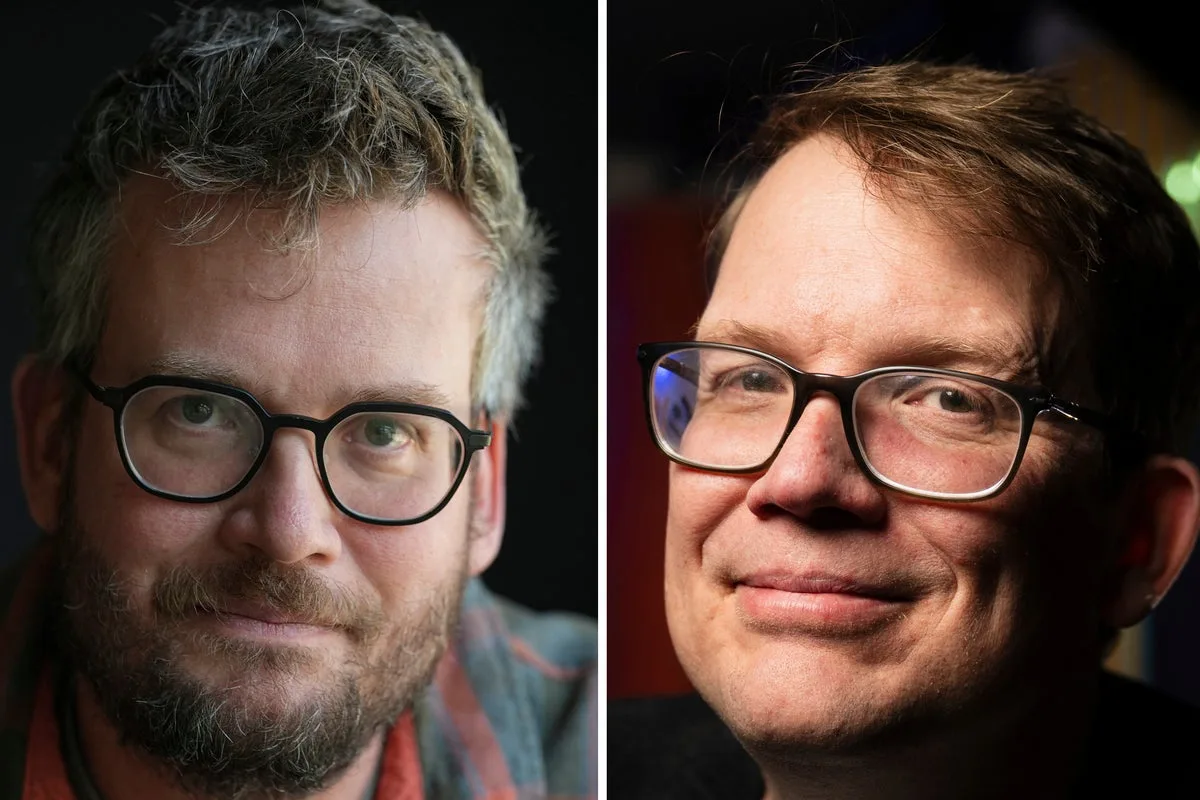
Author-vloggers Hank and John Green, renowned for concluding their widely viewed "Crash Course" videos with appeals for donations to keep the YouTube series "free for everyone forever," have unveiled a strategic shift to secure this mission. Their educational media enterprise, Complexly, which has amassed billions of views through web series covering subjects from animal biology to Latin American literature, is now transitioning to operate as a nonprofit organisation. This structural change is designed to guarantee that audiences continue to have access to captivating, fact-based content that can compete effectively in the attention economy, liberated from the influences of advertiser interests.
Addressing the Crisis of Trust in the Digital Age
The move comes at a pivotal moment, as artificial intelligence proliferates absurdist "brain rot" and manipulated deepfake imagery, while traditional public media outlets grapple with severe financial constraints due to abrupt reductions in federal funding. "Part of what Complexly’s trying to do is create good information on the internet," Hank Green explained in an interview with the Associated Press. "Let’s actually just say that this is our goal. Like, our goal isn’t to build a big company and sell it someday."
John Green echoed this sentiment, highlighting the paradox of modern information consumption: "There’s never been more information and yet there’s never been less information that you feel you can trust. Our goal at Complexly has always been to make trustworthy content. And making Complexly a public good, for me, is the next step in that process."
Robust Financial Backing and Audience Support
According to Complexly CEO Julie Walsh Smith, adopting nonprofit status has been under consideration for several years. The studio already benefits from substantial philanthropic contributions, including a notable $4.8 million received last year. Initial supporters of the nonprofit initiative include established partners such as YouTube, PBS, and the Alfred P. Sloan Foundation. Additional funders like Arizona State University and the Howard Hughes Medical Institute provide underwriting for various "Crash Course" projects.
While approximately one-third of Complexly's revenue derives from a YouTube programme that allocates a portion of advertising earnings to creators, the brothers expressed confidence in their capacity to attract individual donors, bolstered by strong audience engagement. John Green estimates that another third of their income originates from Patreon, a platform where enthusiasts contribute to online creators, often in exchange for exclusive bonus content. Monthly Patreon subscribers typically donate $5 or $10 to support productions like "Crash Course."
Furthermore, the annual sale of minted silver "Crash Course" coins, which can command prices in the thousands of dollars, has cultivated relationships with high-value supporters. Hank Green noted that many of these individuals have expressed a desire to increase their contributions but previously felt uneasy about donating to a for-profit entity.
Navigating the Competitive Digital Landscape
Hank Green acknowledged the challenges of competing in a crowded online space: "It is hard to do the thing that we have to do where we compete with MrBeast and cat videos and all of the very attention-grabbing dashcam fights that YouTube has to offer. But we really take that responsibility very seriously. We are not just here to make educational video. We are here to make educational video that people choose to watch. And so that's the fight that we are fighting."
The small donors provide general funds that afford the flexibility to "invest in the ideas that we think are most likely to deliver impact through reach," Hank added.
Organisational Restructuring and Future Ventures
The transition to nonprofit necessitates that Hank and John Green relinquish any equity they held in Complexly. Although the Montana-headquartered nonprofit anticipates retaining its staff of around 80 employees, CEO Julie Walsh Smith indicated that the organisation's growth means the founders are no longer required for "day-to-day leadership."
John Green will assume the role of "founder emeritus"—a position he admits he is still defining but is "looking forward to finding out"—while Hank Green will join the nonprofit’s board of directors and continue to host certain shows. "The way I like to think about it is they’re going from leaders of the organization to cheerleaders," Smith remarked.
John Green assured viewers that the viewing experience will remain largely unchanged. In fact, he suggested that the new structure could enable potential new shows "that have long been great ideas that weren't possible because they didn't make sense from a business perspective."
Complexly is allocating $8.5 million to a forthcoming educational series, details of which remain undisclosed by the founders and CEO. However, Smith revealed that they are seeking additional funding for an upcoming series that will follow Hank Green behind the scenes at zoos and museums, highlighting specimens not typically displayed to the public.
Philosophical Shift Away from Advertising Dependence
The Green brothers have long endeavoured to decipher the economics of the internet. They established the crowdfunding platform Subbable in 2013 to assist creators in raising funds for specific projects, and Hank once attempted to form a union for creators whose livelihoods are vulnerable to the caprices of social media algorithms and advertising revenue models.
John Green emphasised that this shift was not driven by concerns about their business's viability but rather by broader principles: "We've always worried about being overly reliant on advertising. I think that an advertising-funded internet is a complicated place to live, as I've observed from the last 25 years of my life." By embracing philanthropic funding, John aspires for Complexly to exist "for the good of the people who benefit from it" and not "for anyone else's benefit."
Smith contrasted this approach with prevailing trends in digital media: "That’s not the same path a lot of digital media companies take. Often, they’ll put premium content behind paywalls or behind a subscription service. And we’re just never gonna do that."
Leveraging Philanthropic Experience
The brothers are no strangers to the nonprofit realm. Through their Foundation to Decrease World Suck, they have granted over $17 million to numerous charities, funded by profits from their online retailer, the Good Store. This experience has made them cognisant of the challenges nonprofits face in maintaining the agility required for digital production.
Nevertheless, they stressed that there are multiple ways to operate a nonprofit effectively. John Green cited Partners in Health—a charitable partner of the Good Store—which utilises an app to track tuberculosis in Lesotho, demonstrating innovation on par with private sector standards. "It's perfectly possible for nonprofits to be innovative and fast movers," John asserted. "It's just that you need to set that up from the beginning."
Hank Green added a forward-looking perspective: "Can we signal to other people that there is no reason why you can't do this and also model, as we go forward, that if that's a choice that other people want to make then there's good ways to do it?"