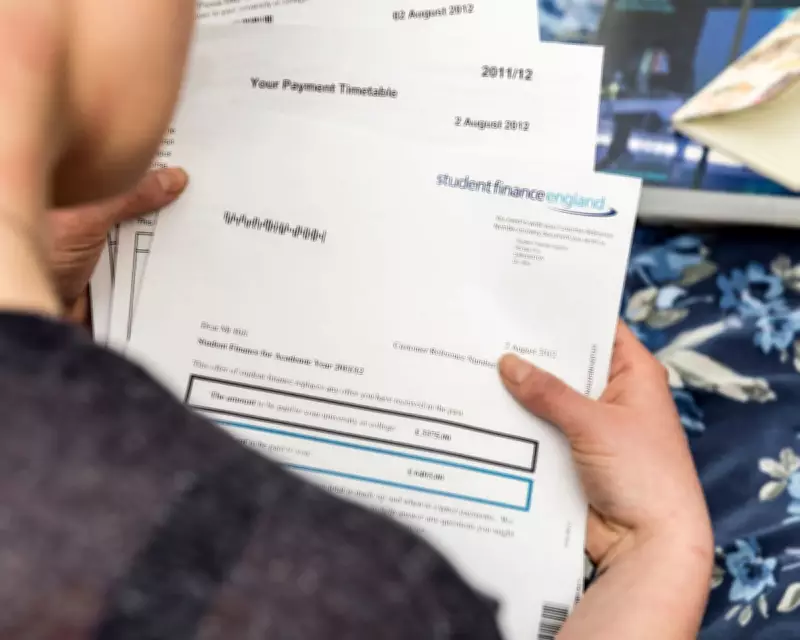
Student Loans: A Stealth Graduate Levy for NHS Funding Sparks Debate
The UK government is facing mounting criticism over its controversial proposal to utilise student loan repayments as a covert graduate levy aimed at funding the National Health Service. This move, which has been described as a stealth tax, has ignited a fierce debate about the fairness and transparency of higher education finance in Britain.
A Covert Funding Mechanism
Under the proposed scheme, graduates would see their student loan repayments redirected to support NHS budgets, effectively creating an additional financial burden on those who have pursued tertiary education. This approach has been labelled a graduate levy by stealth, as it operates without explicit parliamentary approval or public consultation, raising significant ethical and democratic concerns.
Critics argue that this mechanism unfairly targets graduates, who are already contending with substantial debt from their studies, while failing to address broader issues of NHS funding sustainability. The lack of transparency in how these funds would be allocated within the health service has further fuelled scepticism among stakeholders.

Implications for Higher Education
The proposal has profound implications for the higher education sector, potentially deterring prospective students from enrolling in universities due to increased financial uncertainty. Many fear that this stealth levy could exacerbate existing inequalities in access to education, disproportionately affecting students from lower-income backgrounds who rely on loans to fund their studies.
Moreover, this move raises questions about the government's commitment to investing in education as a public good. By repurposing student loan repayments for NHS funding, there is a risk of undermining the long-term viability of higher education institutions, which depend on predictable funding streams to maintain quality and accessibility.
Broader Policy Concerns
Beyond the immediate impact on graduates and universities, this proposal highlights broader issues in UK policymaking. The use of stealth mechanisms to fund public services without open debate sets a concerning precedent, potentially eroding public trust in governmental transparency and accountability.
There are also economic considerations, as graduates play a crucial role in driving innovation and growth in the UK economy. Imposing additional financial burdens on this group could have unintended consequences for productivity and competitiveness, particularly in sectors reliant on highly skilled professionals.
Calls for Reform
In response to the controversy, various stakeholders, including student unions, educational bodies, and political commentators, are calling for a more transparent and equitable approach to funding both the NHS and higher education. Suggestions include:
- Open parliamentary debates on NHS funding sources to ensure democratic oversight.
- Comprehensive reviews of student loan systems to address fairness and sustainability.
- Exploration of alternative funding models that do not disproportionately burden graduates.
- Greater collaboration between the Department for Education and the Department of Health to align funding strategies with long-term public interests.
As the debate intensifies, it remains to be seen whether the government will reconsider its approach or push forward with this contentious graduate levy. The outcome will likely have lasting effects on the future of education and healthcare funding in the United Kingdom.