Afghan Women's Secret Book Club Defies Taliban Education Ban
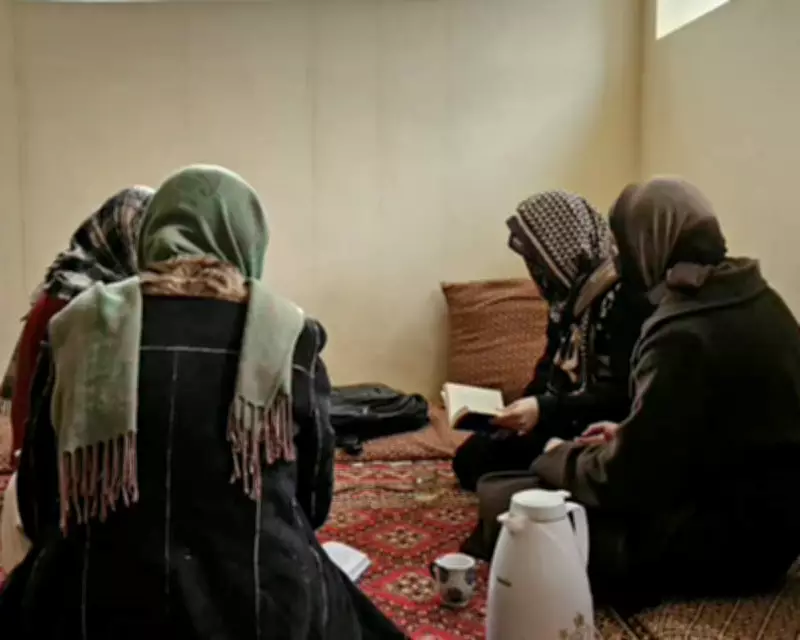
In a bold act of resistance against the Taliban's oppressive regime, a group of Afghan women has formed a clandestine book club, secretly gathering to study literature and history. This initiative directly challenges the strict ban on female education imposed by the Taliban, which has severely restricted women's rights since their return to power in 2021.
Underground Learning in a Repressive Environment
The book club operates in secret, with members meeting in hidden locations to avoid detection by Taliban authorities. Participants risk severe penalties, including imprisonment or worse, for defying the education ban. Despite these dangers, the women continue to meet, driven by a shared desire for knowledge and empowerment.
They study a range of subjects, from classic literature to modern history, using smuggled or digitally shared books. This underground network not only provides educational opportunities but also fosters a sense of community and solidarity among the women, offering emotional support in a time of widespread fear and isolation.

Broader Implications for Women's Rights in Afghanistan
The Taliban's education ban has had devastating effects on Afghan society, particularly for women and girls. It has closed schools and universities to female students, reversing decades of progress in gender equality. The book club represents a small but significant form of resistance, highlighting the ongoing struggle for women's rights in the country.
International human rights organizations have condemned the Taliban's policies, calling for global pressure to restore educational access. However, on the ground, initiatives like this book club show that Afghan women are not passively accepting their fate but are actively seeking ways to educate themselves and each other.
This movement underscores the resilience of Afghan women in the face of extreme adversity.As the Taliban continues to enforce its harsh rules, the book club serves as a beacon of hope, demonstrating that the thirst for knowledge cannot be easily extinguished. It also raises awareness about the critical need for international support to protect and promote women's education in Afghanistan.