Australian Families Linked to Islamic State Face Repatriation Hurdles from Syrian Camp
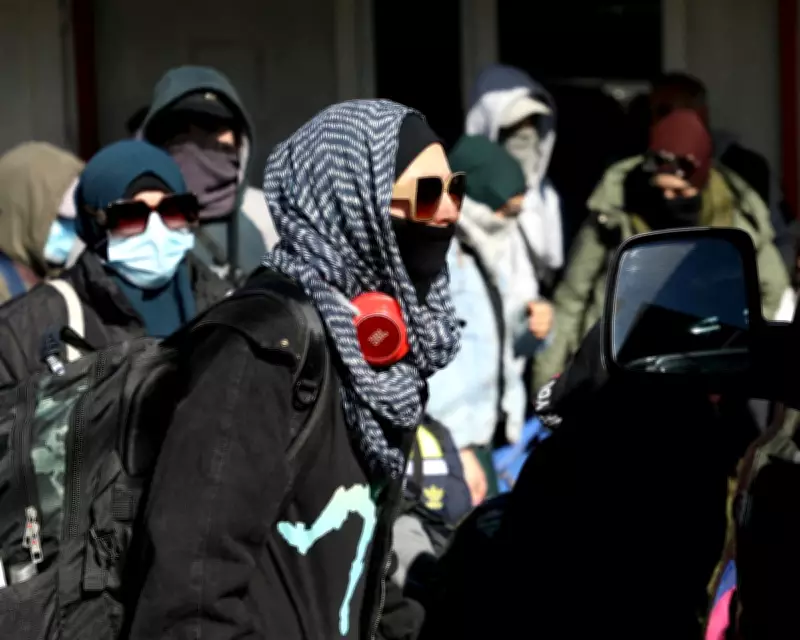
In early February, members of Australian families, believed to have connections to Islamic State militants, departed the Roj camp near Derik in Syria. This group, comprising 11 women and 23 children, has since become embroiled in a fierce political controversy in Australia. Their planned journey to Australia was abruptly halted on 16 February when they were returned to the detention camp, sparking intense scrutiny over the Albanese government's handling of the situation.
Political and Legal Challenges Surrounding Repatriation Efforts
The opposition, led by Angus Taylor, has demanded transparency regarding the level of assistance provided by the Albanese government, including the issuance of passports. In response, the Coalition has proposed new legislation aimed at criminalising non-governmental financial and logistical support for the families' return. Prime Minister Anthony Albanese and Home Affairs Minister Tony Burke have maintained that any repatriation must be self-managed, raising significant legal questions.
Under international law, specifically Article 12 of the 1966 International Covenant on Civil and Political Rights, individuals have a right to enter their own country, though exceptions exist during public emergencies, such as the Covid-19 pandemic. One member of the group has been subjected to a temporary exclusion order due to security risks, while the remaining 33 have been issued bespoke single-use passports, making them eligible for return.

Consular Assistance and Children's Rights Under Scrutiny
The issue of consular assistance has been contentious, with Australian courts ruling in cases like those of David Hicks and Mamdouh Habib that citizens have no legal right to such support. However, the government has historically intervened in high-profile cases, such as brokering deals for Hicks in 2007 and assisting Julian Assange in 2024. The Department of Foreign Affairs and Trade outlines its Consular Services Charter, but assistance may be limited if citizens engage in illegal or reckless conduct.
Of particular concern are the 23 Australian children in the camp, who face exposure to radical ideologies. Under the 1989 United Nations Convention on the Rights of the Child, children are protected from discrimination based on their parents' actions, and their best interests must be a primary consideration in decision-making. This places a moral and legal obligation on the Albanese government to prioritise their welfare and safe return.
Uncertain Future Amid Regional Instability and Political Debates
With federal parliament resuming on 2 March and the opposition pushing for new laws, the political debate is set to intensify. The future of the Roj camp appears precarious, following the recent emptying of the al-Hawl camp, which housed former IS fighters and families. This development leaves the Australian women and children in a state of uncertainty, with potential outcomes including return to Australia, seeking refugee status in Syria, or dispersal to other locations.
Options for departure include airports in Damascus, Beirut, or Baghdad, but the fragile regional security situation makes extended road travel hazardous. If circumstances worsen, the Albanese government may be compelled to intervene and arrange safe passage to another country. Regardless of their parents' choices, the 23 Australian children are not responsible for those decisions and urgently require government support to secure their safe return to Australia.