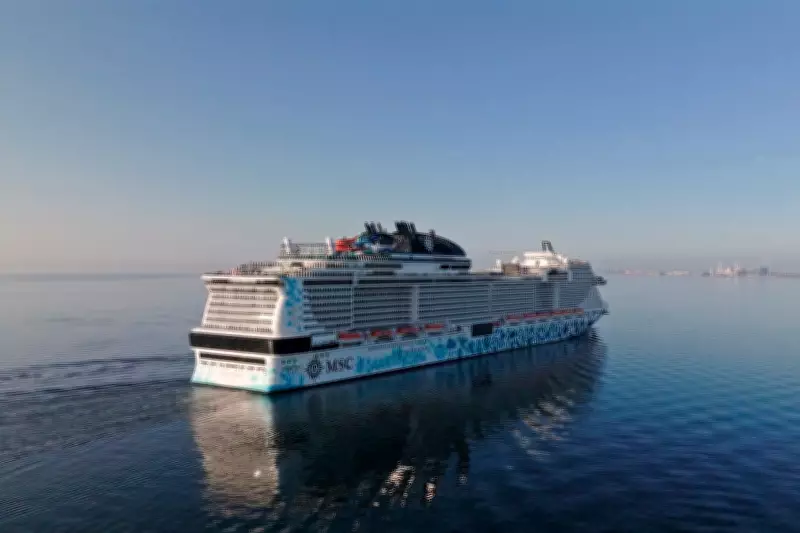
In a significant maritime development, six cruise ships that were stranded in the Arabian Gulf for nearly two months have now successfully navigated through the Strait of Hormuz. This follows a period of heightened tensions after Iran closed the strategic waterway hours after reopening it, amid ongoing regional conflicts.
Background of the Stranding
The vessels, which include MSC Euribia and Celestyal Discovery, became trapped following the US-Israeli attack on Iran on 28 February 2026. At the time of the hostilities, the ships were docked in various ports across the UAE and Qatar, with one located in Damman, Saudi Arabia. In response to the escalating situation, most passengers and crew were evacuated, leaving only essential personnel onboard to manage the ships during the crisis.
Safe Passage Established
Celestyal Discovery took the lead on 17 April, departing first and collaborating closely with regional authorities and maritime security teams to establish a secure route through the Strait of Hormuz. This pioneering move paved the way for other ships, including Celestyal Journey, to follow suit. All six vessels adhered to a cautious navigation strategy, sailing close to the Omani shore to steer clear of Iranian territory and minimize risks.

The final ship to clear the strait was Aroya Menara, which completed its passage late on 19 April. This marked the end of a challenging period for the cruise industry, which had seen dozens of voyages cancelled due to the stranding, disrupting travel plans for thousands of passengers.
Future Itineraries and Impacts
With the immediate danger averted, the first five ships are now en route around the Cape of Good Hope, aiming to resume their scheduled sailings in Europe by May. This detour is necessary to avoid further instability in the region. Meanwhile, the Saudi-owned Aroya Menara is heading to Jeddah, where it will likely undergo assessments before returning to service.
The successful transit highlights the resilience of maritime operations in crisis zones, but it also underscores the broader implications for global tourism and trade. The incident has drawn attention to the vulnerabilities of shipping lanes in politically volatile areas, prompting calls for enhanced security measures and contingency planning in the cruise industry.