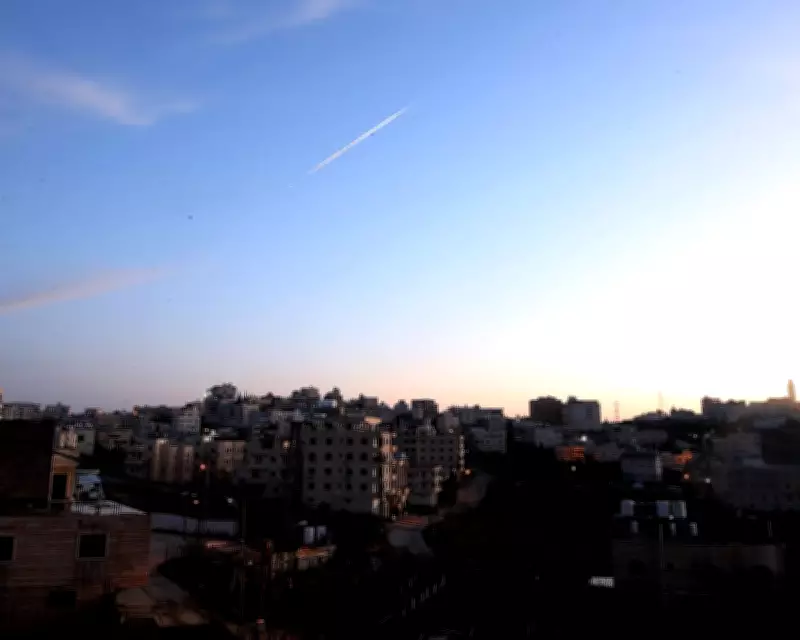
Explosions Reported in Tehran Amid Escalating Regional Tensions
Explosions have been reported in Tehran, the capital of Iran, as regional tensions in the Middle East continue to escalate dramatically. The incidents come amid a complex web of conflicts involving multiple state and non-state actors, with significant implications for global security and stability.
Houthi Attacks on Shipping Lanes Intensify
In Yemen, the Houthi rebel group has intensified its attacks on shipping lanes in the Red Sea and surrounding waters. These maritime assaults are part of a broader strategy to disrupt international trade and exert pressure on regional adversaries. The Houthis, who are backed by Iran, have targeted commercial vessels and military ships, raising concerns about the safety of crucial global shipping routes.
The situation has prompted responses from the United States and Israel, both of which have conducted strikes against Houthi positions and other targets in the region. These military actions aim to counter the threat posed by the Houthis and their Iranian sponsors, but they risk further inflaming an already volatile situation.

US and Israel Involved in Regional Strikes
Recent updates indicate that the United States and Israel have been actively involved in strikes across the Middle East. These operations target not only Houthi forces in Yemen but also Iranian-linked assets in Lebanon and other areas. The coordination between US and Israeli forces underscores the strategic alliance aimed at containing Iranian influence and preventing the spread of conflict.
In Lebanon, strikes have been reported against Hezbollah, a powerful Iran-backed militant group. These actions are part of a broader effort to weaken Iranian proxies that pose threats to Israel and regional stability. The involvement of multiple countries highlights the interconnected nature of the crises unfolding across the Middle East.
Trump's Influence on US Policy
Former US President Donald Trump's policies and statements continue to influence the current geopolitical landscape. His administration's decisions regarding Iran and the Middle East have left a lasting impact, shaping the approaches of subsequent governments. The ongoing tensions reflect deep-seated issues that have been exacerbated by shifting US strategies and regional rivalries.
The explosions in Tehran, while details remain unclear, could signal a significant escalation. Possible causes include internal dissent, external attacks, or accidents, but the timing amidst heightened regional conflicts suggests a connection to the broader Middle East crisis.
Implications for Global Security
The escalating violence in the Middle East poses serious risks to global security. Key concerns include:
- Disruption of international shipping and trade routes
- Potential for broader regional war involving major powers
- Humanitarian crises in conflict zones like Yemen and Lebanon
- Impact on global energy markets and economic stability
As the situation develops, diplomatic efforts are crucial to de-escalate tensions and prevent further violence. The international community is closely monitoring updates, with calls for restraint and dialogue to address the root causes of the conflicts.
In summary, the explosions in Tehran and the ongoing Houthi attacks in Yemen are part of a rapidly evolving Middle East crisis. With US and Israeli strikes adding to the complexity, the region faces heightened instability that requires urgent attention from global leaders to avert a larger catastrophe.