Global Recruitment: How Russia and Ukraine Draw Foreign Fighters Into War
Russia is becoming increasingly dependent on foreign fighters from across the globe to continue its military campaign in Ukraine, as detailed by James C. Reynolds. On the eve of the fourth anniversary of the conflict, Ukrainian President Volodymyr Zelensky declared that World War Three had already begun, highlighting the war's expanding international scope. This conflict has drawn troops from numerous countries, either to support Putin's aggression or bolster Ukraine's resistance efforts.
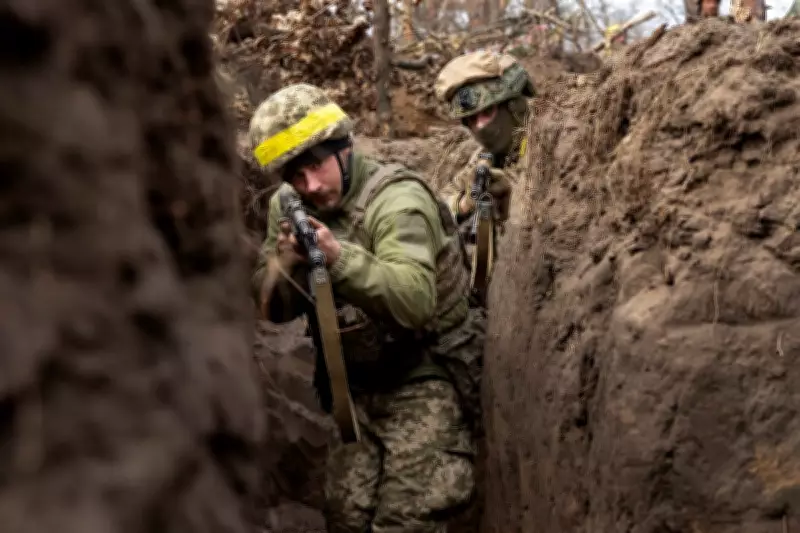
Since February 2022, Ukrainian estimates indicate that approximately 55,000 Ukrainians have lost their lives in intense frontline combat. Meanwhile, recent analysis suggests Russia has suffered around 1.2 million casualties, including at least 325,000 deaths. To mitigate these losses, both sides have turned to international recruitment, with an estimated 20,000 foreign men now participating in Russia's invasion alone.
Deceptive Recruitment Tactics
Many of these foreign fighters have been lured under false pretences, promised lucrative employment away from the battlefields. In contrast, Ukraine has offered professional soldiers fixed contracts with higher pay than they could earn domestically. For Moscow, utilizing foreign troops helps alleviate strain on its own forces and delays another round of politically sensitive mobilisation, which could provoke public anger.

North Korea's Significant Involvement
North Korea emerged as a major player in late 2024, supporting Russia and hindering a bold Ukrainian counteroffensive into Russian-held territory. Initial reports of North Koreans training in Russia surfaced after Ukrainian forces launched a summer offensive into the Kursk region. Recent British estimates suggest Pyongyang committed about 17,000 troops, primarily from the elite 'Storm Corps', trained for infiltration and sabotage.
These soldiers assisted Russia in regaining control of Kursk before largely withdrawing. According to a June assessment by the UK Ministry of Defence, North Korea likely sustained over 6,000 casualties, representing more than a third of its deployed forces. Military analyst Emil Kastehelmi noted that after the Kursk engagement, North Korean forces have assumed a less active role against Ukrainians, with no significant brigades transferred to the contested Donetsk region.
Domestically, North Korea has engaged in propaganda efforts, glorifying troops sent to Kursk with new memorials and housing for families of fallen soldiers, aimed at curbing public discontent.
Kenya's Troubling Recruitment
Disturbing footage from late last year showed African soldiers, including 35-year-old Francis Ndung'u Ndarua from Kenya, being abused by Russian troops. In viral videos, Ndarua was seen with a land mine strapped to his chest while subjected to racial slurs, described as a "can opener" for assaulting Ukrainian positions. His mother, Anne Ndarua, revealed he had travelled to Russia for electrical engineering work, only to be forced into military training and sent to the front after three weeks.
Families have petitioned the Kenyan government as soldiers return home, recounting how they were deceived by attractive job offers. A Kenyan intelligence report this month found around 1,000 Kenyans recruited to fight in Ukraine, with nearly 90 on the frontlines, one death, and several returning injured or traumatised. The government has recently attempted to ban such conscription. Kastehelmi observed that recruits often misunderstand the battlefield realities, with Russia offering better pay and more effective recruitment networks.
Colombia's Veteran Fighters
Both Russia and Ukraine have recruited soldiers from Latin America, with Colombian veterans particularly valued due to their experience from decades of civil war and familiarity with Western equipment. However, casualty rates remain high as Colombians face a vastly different conflict. A Colombian Army veteran fighting in Ukraine explained that in Colombia, patrols might involve less risk over months, whereas in Ukraine, every combat entry carries high danger of death or injury.

Estimates vary, but between 3,000 and 7,000 Colombians have fought on both sides since 2022. In 2024, Colombian fighters were offered $3,000 to $4,000 monthly for six-month contracts with Ukrainian units, according to reports.
India's Recruitment Concerns
India's foreign ministry reported in December that over 200 Indians have been recruited into the Russian armed forces since the invasion, with rising concerns about citizens being tricked into military service. At least 26 were killed and seven missing at the time of the report. Families gathered in New Delhi to demand action, sharing stories of relatives duped into travelling to Russia for paid work only to be forced into military roles.
Casualties include Ajay Godara, 22, and Rakesh Kumar Maurya, 30, who travelled on student visas for non-combat roles but were killed, with their bodies returned last year.
Increasing Reliance on Foreign Forces
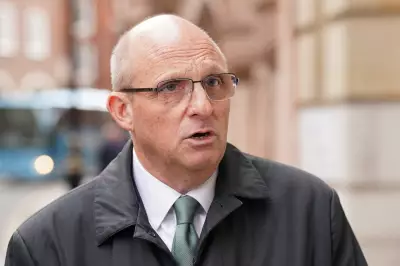
British Defence Minister John Healey stated this month that Russia's military is increasingly reliant on foreign fighters as losses outpace replenishment rates. He emphasised that these troops are often recruited under false pretences and pressured into service without realising they are destined for the brutal frontlines of Ukraine. This global recruitment underscores the war's widening impact, drawing nations from Korea to Kenya into a conflict with profound human costs.