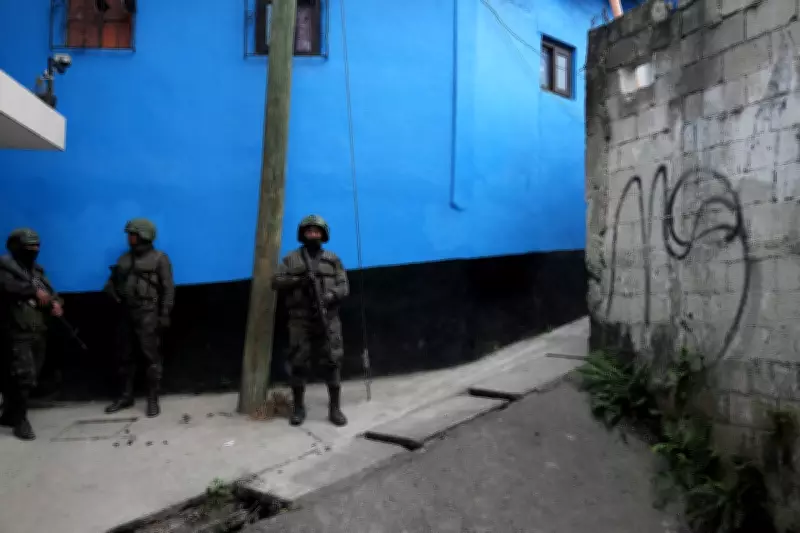
Guatemala has officially ended its month-long state of emergency, a measure initially imposed after a series of deadly attacks on police officers that prompted President Bernardo Arévalo to seek special powers to combat gang violence. The emergency was lifted on Monday, exactly one month after it was declared in response to the killing of 10 police officers by suspected gang members.
Restrictions on Constitutional Rights Lifted
During the state of emergency, certain constitutional rights were temporarily restricted, granting authorities the ability to make arrests without a warrant issued by a judge. This provision will no longer be permitted under the new, less restrictive measures set to take effect on Tuesday. However, President Arévalo has not yet provided specific details about what these new measures will entail.
New Measures and Congressional Approval
The upcoming measures are designed to be more moderate and will not require congressional approval or renewal, streamlining their implementation. This approach differs significantly from the strategy employed in neighbouring El Salvador, where President Nayib Bukele has been granted extraordinary powers to address gang violence, with monthly renewals by Congress for nearly four years.

Impact of the Emergency Period
In a statement on Sunday, President Arévalo reported that 83 gang members had been arrested during the state of emergency. He also noted a decline in homicides and reports of extortion compared to the same period last year, although specific figures were not disclosed. The emergency was sparked in January after gangs retaliated against police following authorities' suppression of riots in three prisons.
Contrast with Regional Approaches
The brief duration of Guatemala's state of emergency highlights a contrast with El Salvador's prolonged use of such powers. While Guatemala's crackdown was a direct response to immediate violence, it underscores the ongoing challenges faced by Central American nations in tackling organised crime and gang-related activities.