Hezbollah Faces Unprecedented Public Backlash as Lebanon's Conflict Escalates
Israeli airstrikes in southern Lebanon have triggered a mass exodus of thousands of families, creating a rare wave of public criticism against Hezbollah from within its traditional support base. The renewed conflict, which erupted just fifteen months after the previous war ended with a US-brokered ceasefire in November 2024, has exposed growing grassroots discontent with the Iran-backed militant group.
Families Flee Amid Renewed Hostilities
On March 2, as Muslim families prepared for pre-dawn meals during Ramadan, Israeli warplanes began attacking southern Lebanon in retaliation for rockets and drones launched by Hezbollah. The assault forced tens of thousands to flee toward Beirut, with journeys that normally take one hour stretching to fifteen hours due to the chaos.
"I am totally against Hezbollah's decision to start with the first strike," said a 45-year-old mother of two who spoke anonymously for fear of reprisals. Now living with her family in a school-turned-shelter in Beirut, she represents a growing sentiment among Lebanese Shiites who are openly blaming the militant group for their current misery.

Communities Still Reeling from Previous Conflict
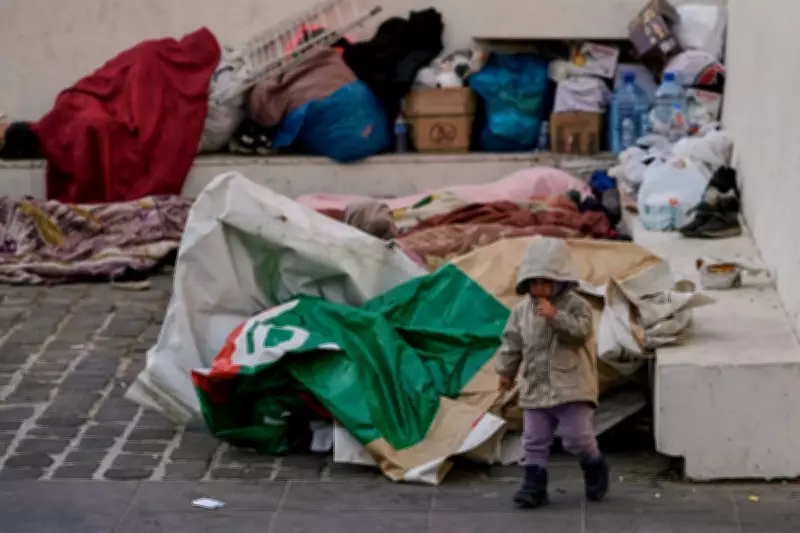
The new round of fighting comes as Shiite communities that bore the brunt of the last conflict continue to suffer. The previous Israel-Hezbollah war killed more than 4,000 people in Lebanon and caused $11 billion in damage according to World Bank estimates. Many residents find themselves displaced for the second time in less than two years, living on streets, in public squares, or with relatives during cold weather and Ramadan fasting.
"No one wanted this war," said Hussein Ali, a vegetable vendor forced to leave his home in Beirut's southern suburb of Haret Hreik for the second time. "People haven't recovered from the previous war." His apartment was destroyed during the last conflict, and he now fears the same fate awaits his current residence.
Government Takes Hardline Stance
In a significant policy shift, the Lebanese government moved on March 2 to declare Hezbollah's military activities illegal, with 22 of 24 Cabinet ministers voting in favor. Only the two Hezbollah ministers opposed the measure, while even ministers from Hezbollah's ally, the Amal group, supported the crackdown.
"The government confirms that the decision of war and peace is only in the hand of the state," declared Prime Minister Nawaf Salam, who ordered "the immediate ban on all of Hezbollah's military activities as they are illegal." The Lebanese army has since begun enforcement actions, though three arrested Hezbollah members were released on bail this week.
Mixed Reactions Within Shiite Community
While some Hezbollah supporters defend the group's actions as justified retaliation for Israeli violations of the November 2024 ceasefire, others express unprecedented criticism. Lebanese journalist Ali al-Amin notes that while more people are now criticizing the militant group, many still remain silent due to safety concerns and dependence on Hezbollah assistance.
"Criticism could have a high cost and not all people express their opinions," said al-Amin, a Shiite Muslim from south Lebanon who has been a harsh critic of the group. He pointed out that poor Shiites often rely on aid that could be cut off by Hezbollah or its allies.
Historical Context and Future Outlook
Since Lebanon's civil war ended in 1990, Hezbollah has maintained its armed status as an exception to militia disarmament requirements, originally justified by its resistance to Israel's occupation of southern Lebanon. Government officials now accuse the group of repeatedly taking unilateral military actions that should fall under state authority.
Political science professor Sadek Nabulsi, whose thinking aligns with Hezbollah, argues that the current complaints don't represent a fundamental fissure in grassroots support. "Hezbollah's base of support is known for tolerating pain," he said, noting similar outcries during previous conflicts in 2006 and 2024. "Despite all the harsh conditions, it is still coherent, patient and waiting for salvation."

As the conflict continues with Israel carrying out nearly daily airstrikes that have killed approximately 400 people since the ceasefire, including dozens of civilians, the tension between Hezbollah's military objectives and the suffering of Lebanon's civilian population creates an increasingly complex political landscape.