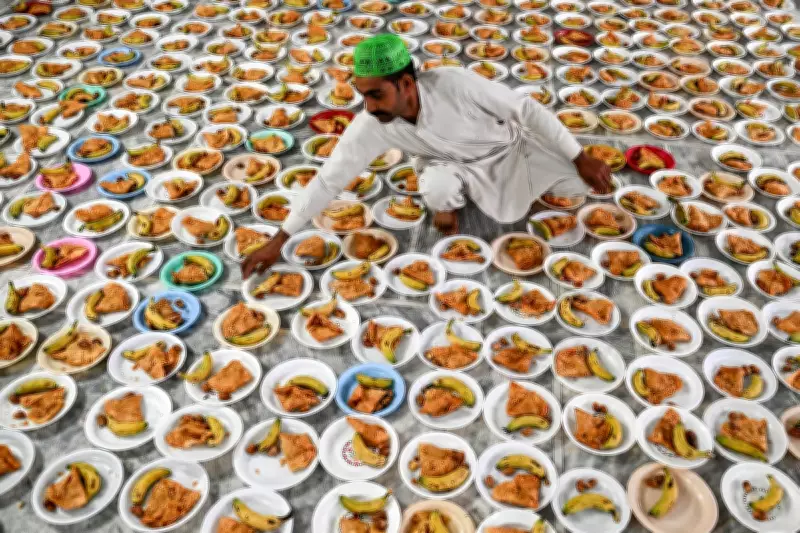
The Significance of Iftar During Ramadan
Iftar, the evening meal that marks the conclusion of the daily fast during the holy month of Ramadan, carries profound significance for Muslims across the globe. As the primary meal for those observing the fast, it is consumed precisely at sunset, known as Maghrib. This timing is not static; it shifts daily throughout Ramadan, adapting to the changing daylight hours. This phenomenon is especially noticeable in countries like the United Kingdom, where sunset times can vary significantly over the course of the month.
Spiritual and Nutritional Importance
Beyond its crucial role in providing essential health and nutrition after a day of fasting, Iftar holds immense spiritual weight. It is widely believed to be a time when Allah (SWT) extends special mercy and love to those who have faithfully fasted. Particular blessings are thought to be bestowed upon individuals who generously provide food for others during this sacred time, reinforcing community bonds and charitable acts.
Traditional Practices and Sunnah
A deeply rooted tradition, or Sunnah, strongly encourages Muslims to break their fast with dates before proceeding to their main meal. This practice emulates the Prophet (PBUH), who consistently enjoyed and advocated for dates. The preferred method involves using fresh dates first, followed by dried ones if fresh are unavailable, or simply water if neither option is at hand. This simple yet meaningful act connects modern observance with historical religious teachings, adding a layer of spiritual continuity to the Iftar ritual.

The daily adjustment of Iftar timing serves as a constant reminder of the lunar calendar governing Ramadan, linking the faithful to natural cycles and emphasizing patience and discipline. As families and communities gather each evening, the meal becomes not just a physical nourishment but a cornerstone of religious identity and communal solidarity during this pivotal month.