Inuit Community in Greenland Rejects Individual Land Ownership in the Arctic
The Inuit people of Greenland have made a powerful declaration regarding their relationship with the Arctic landscape, asserting that no one owns their land—instead, it is shared collectively. This statement comes as a direct challenge to external claims and commercial interests that often view the region through a lens of ownership and exploitation.
Cultural and Environmental Stewardship at the Forefront
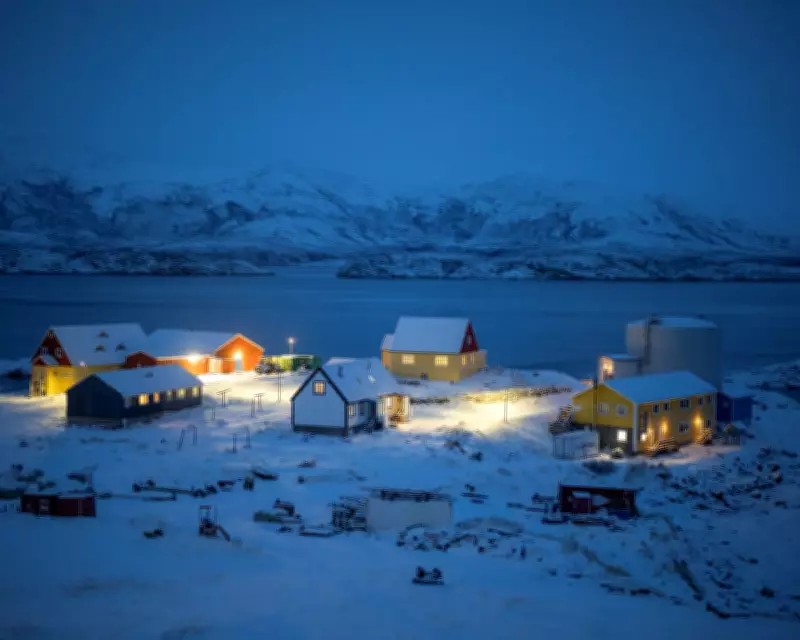
For generations, the Inuit have inhabited the harsh yet beautiful Arctic environment, developing a way of life deeply intertwined with the land and sea. Their perspective is rooted in a philosophy of communal stewardship, where the land is not a commodity to be bought or sold but a shared resource that sustains the community. This view contrasts sharply with Western concepts of private property, which have increasingly encroached upon indigenous territories worldwide.
The Inuit emphasize that their connection to the Arctic is spiritual and practical, involving traditional practices such as hunting, fishing, and gathering that rely on a healthy ecosystem. They argue that this shared approach fosters greater respect for the environment, promoting sustainability in a region acutely affected by climate change. As ice melts and new shipping routes open, external pressures on the Arctic have intensified, making the Inuit's stance more critical than ever.

Resisting External Claims and Advocating for Rights
In recent years, the Arctic has attracted attention from various nations and corporations eyeing its resources, including minerals, oil, and gas. The Inuit's declaration serves as a reminder of their sovereign rights and the need for their voices to be central in discussions about the region's future. They reject narratives that frame the Arctic as a "no man's land" or a frontier for unchecked development, instead highlighting their long-standing presence and governance.
This position aligns with broader indigenous rights movements globally, which seek recognition and protection for traditional lands. The Inuit of Greenland, as part of the Kingdom of Denmark, have a degree of self-governance, but they continue to advocate for greater autonomy and respect for their cultural heritage. Their shared land philosophy is not just a cultural ideal but a practical framework for managing resources and ensuring community well-being.
Implications for Policy and Global Awareness
The Inuit's message has significant implications for environmental policy and international relations in the Arctic. By promoting a model of shared ownership, they offer an alternative to resource extraction-driven approaches that often lead to ecological degradation. This perspective encourages collaborative management that includes indigenous knowledge, which is vital for addressing challenges like biodiversity loss and climate adaptation.
As the world grapples with how to balance development and conservation, the Inuit's example provides a valuable lesson in sustainable living. Their assertion that "we share it" underscores the importance of collective responsibility over individual gain, a principle that could inform global efforts to protect vulnerable ecosystems. Ultimately, their stance is a call for respect, dialogue, and partnership in shaping the Arctic's future, ensuring that indigenous communities are not sidelined in the process.