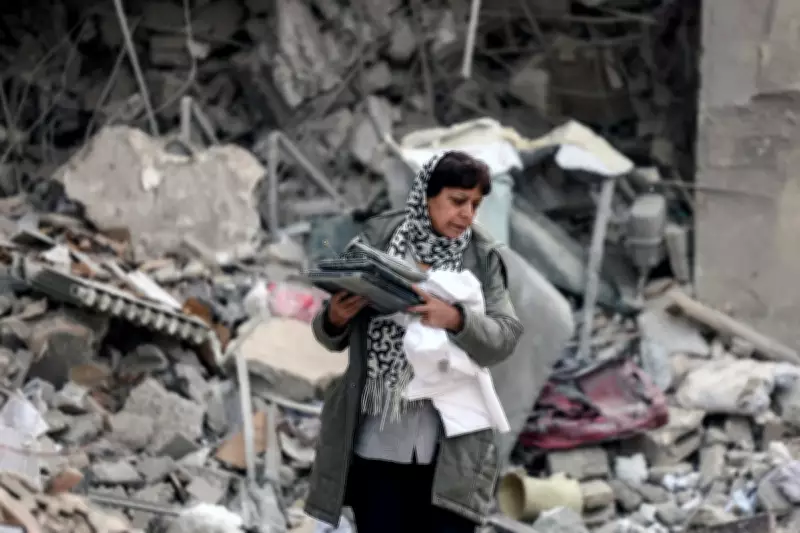
Iranians in Tehran Defy Regime Amid Conflict
As military operations by Israeli and US forces against Iran enter a new phase, residents of Tehran are speaking out through immense difficulties. Despite enduring internet blackouts lasting hundreds of hours and facing daily military strikes from fighter jets, many Iranians view the conflict as a historic opportunity to end the Islamic Republic's rule.
Voices from the Capital
One young woman from Tehran managed to connect to the internet after a week-long blackout, sending a powerful message: "We are not afraid of war. We fear nothing as much as the Islamic Republic remaining in power." She described how residents have become human shields with no evacuation orders issued, even for those living near dangerous locations. The regime is arresting ordinary people for sharing information, accusing them of collaborating with Israel.
Daily life in Tehran has transformed under wartime conditions. Another resident described the surreal reality: "We are still here – in the middle of Tehran, where not even a kilobyte of data can move through the internet, yet Israeli and American fighter jets calmly fly from one side of the city to the other." The smell of burning air, sounds of explosions, and shaking windows have become normal, with people sending one-word messages to loved ones simply to confirm they are alive.

Hope Amid Destruction
Nazila, a 32-year-old woman from Tehran's Saadat Abad district, recounted how a missile strike on an IRGC building near her home shattered windows and cracked walls. "Despite all of that, when we realised the target was a military facility belonging to the IRGC, we felt something strange. There was fear, but also a kind of hope," she said. Many neighbors share this sentiment, hoping the conflict might finally bring an end to the regime they have long opposed.
Mohsen, a 40-year-old resident of Tehran's Narmak district, explained how the sounds of fighter jets and explosions have become routine. "When we saw that most of the attacks were hitting Basij bases, police stations, and military centres, our fear diminished," he stated. His greatest concern mirrors that of many others: that the war might end while the Islamic Republic's system remains intact, leading to even worse repression.
Fear of Abandonment
This concern about premature conflict resolution appears repeatedly in messages from inside Iran. Hamed, a young man from northern Iran, expressed his biggest fear: "Israel and the United States might suddenly decide to end the war at this stage, while we inside Iran have already paid such a high price." After days of internet shutdowns, he finally accessed the web using censorship-circumvention tools to share his perspective.
The regime's domestic surveillance continues unabated. Nikita, a 24-year-old student in Tehran, described how security forces began reviewing surveillance camera footage from nearby shops to identify and arrest her after she complained about Basij forces' noise during mourning ceremonies for Ali Khamenei. "Even the thought that we might once again be left alone with these people terrifies me," she confessed.
Rebuilding After Regime Change
Many Iranians emphasize that while war brings destruction, rebuilding afterward is possible. One Tehran resident wrote: "No matter how much destruction a war brings, we can rebuild afterward. But if the Islamic Republic remains, it will keep killing thousands every year and destroy the country even further." This sentiment underscores that for many, the primary concern isn't the conflict itself but the prospect of the regime surviving it.
According to numerous accounts received over the past 48 hours, Iranians endure hardships but maintain hope for regime change. Their messages reveal a population caught between military strikes and domestic oppression, yet determined to see fundamental political transformation.
In Washington, US Defense Secretary Pete Hegseth indicated this week would bring the most intense attacks yet, claiming the Islamic Republic was suffering severe defeats. He noted that over the past 24 hours, the US had observed the lowest number of missiles launched from Iran, suggesting potential shifts in the conflict's dynamics.