Iran's Future Hangs in Balance Following Ayatollah's Demise
The passing of Ayatollah Ali Khamenei, Iran's supreme leader for four decades, has created a seismic shift in Middle Eastern politics. While few mourn a ruler who oversaw systematic oppression, the question of what comes next for Iran remains dangerously uncertain. Donald Trump's characterization of Khamenei as "one of the most evil people in history" reflects widespread international condemnation, yet his administration's approach to Iran's future raises serious concerns about stability and genuine liberation for the Iranian people.
A Legacy of Brutality and International Isolation
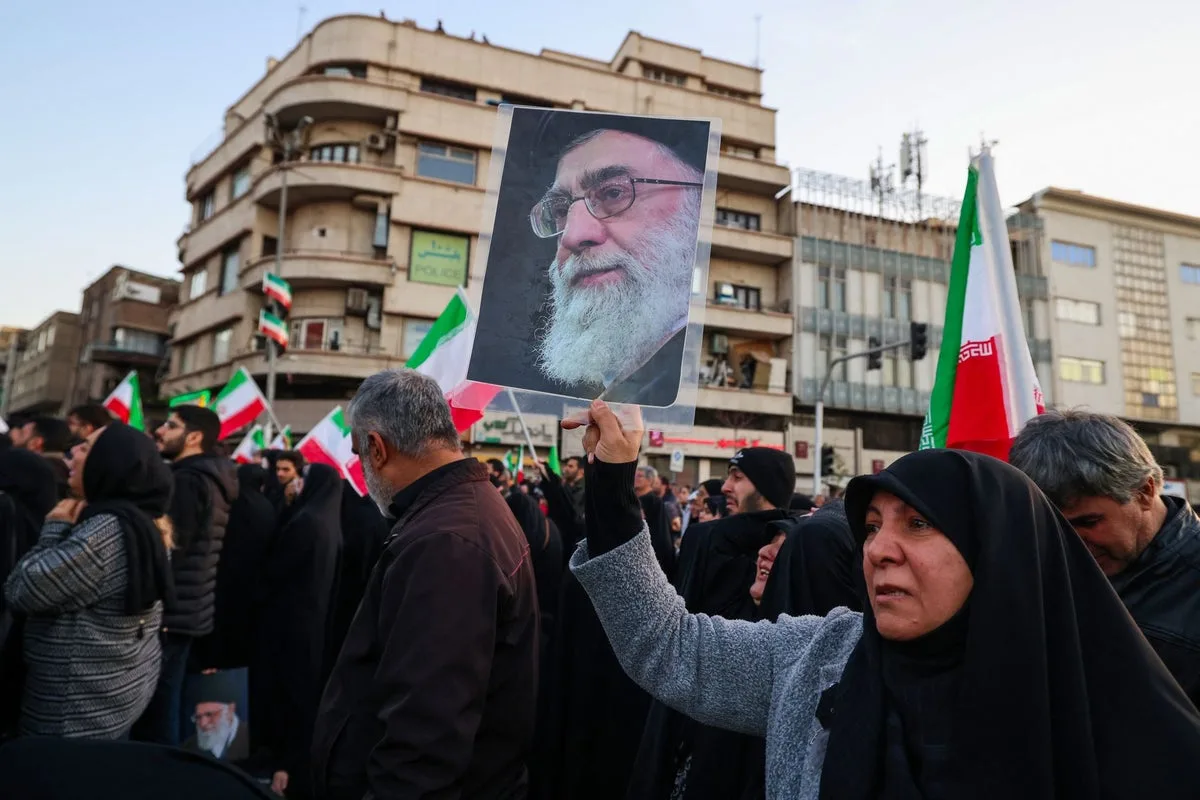
Khamenei's regime was marked by extensive human rights abuses, including the murder and torture of Iranian citizens, systematic dehumanization of women, and state-sponsored terrorism abroad. His government developed weapons of mass destruction, engaged in hostage-taking diplomacy, and actively supported Vladimir Putin's aggression in Ukraine through lethal drone technology. The emotional breakdown of an Iranian state television announcer confirming Khamenei's death contrasted sharply with reports of jubilation among Iranians both domestically and within the diaspora.
The recent decapitation of Iran's leadership through targeted bombings has created unprecedented vulnerability for a regime that once seemed formidable. With depleted munition stocks, disabled defenses, and weakened militant affiliates like Hamas and Hezbollah, Iran faces its most precarious moment in decades. Russia remains preoccupied with Ukraine while China adopts a passive stance, leaving Tehran increasingly isolated.
Trump's Uncertain Strategy and Regional Implications
Donald Trump and Benjamin Netanyahu, both facing domestic political challenges, view Iran as a vulnerable target. An optimistic scenario suggests Iran might follow Venezuela's path, with leadership changes leading to concessions on nuclear programs and missile ranges. However, this approach would likely preserve the Islamic Republic's oppressive apparatus while failing to deliver genuine freedom to Iranians.
The more catastrophic possibility involves Iran collapsing into chaos similar to Iraq, Syria, or Afghanistan following Western interventions. This could trigger factional fighting among armed groups and ethnic minorities seeking independence, exacerbated by historic Shia-Sunni divisions. Regional powers including Saudi Arabia, alongside America, Israel, and Russia, might sponsor competing factions, potentially transforming Iran from regional power to failed state.
The Illusion of Liberation and Democratic Prospects
Despite Trump's claims of aiding the Iranian people, recent history suggests otherwise. Thousands of protesters died in January demonstrations that were brutally suppressed, even as the U.S. continued negotiations with Tehran. The Islamic Republic maintains loyalty among segments of the population and firm control over internal security mechanisms.
A plural, secular, liberal democracy appears distant, with no clear alternative leader emerging akin to Ayatollah Khomeini during the 1978-79 revolution. Exiled Crown Prince Reza Pahlavi's proposal for constitutional monarchy lacks substantial support, while the regime's resilience suggests it may prove as ruthless as ever in maintaining power.
Geopolitical Consequences and Security Concerns
The collapse of Iran could create security nightmares surpassing the previous regime's stability, however cruel. As a major oil supplier and regional power, Iran's destabilization would have global repercussions. Progress in U.S.-Iran talks in Oman now appears jeopardized, while the absence of clear "day after" planning suggests continued uncertainty and potential escalation.
Ultimately, Iran's fate should not belong to external actors like Donald Trump, whose inconsistent approaches and transactional diplomacy offer little promise for genuine Iranian freedom. The Iranian people's suffering continues amid geopolitical maneuvering, with their future remaining hostage to powers that have repeatedly demonstrated limited commitment to their liberation.