Israel Intensifies Bombardment of Lebanon in Decades-Long Conflict with Hezbollah
Thousands of people in Lebanon are fleeing their homes as Israel escalates its military campaign against Hezbollah, with the conflict claiming at least 123 lives and displacing over 84,000 individuals. The United Nations refugee agency (UNHCR) reports that these displaced persons are sheltering in nearly 400 collective sites across the country, while more than 30,000 have crossed into neighbouring Syria since the violence intensified.
Escalation Following Regional Tensions
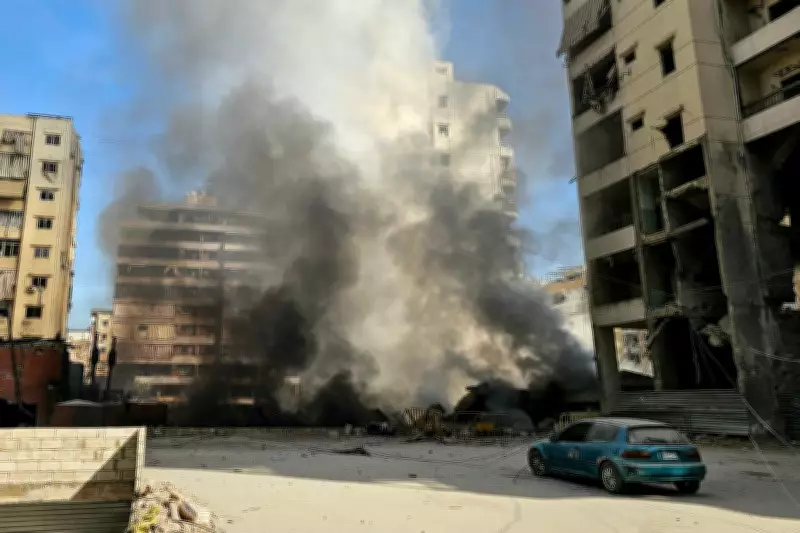
The latest round of hostilities erupted after Hezbollah launched missiles and drones into Israel on Monday, marking its first such attack in over a year. This move came in retaliation for broader regional escalations, including attacks on Iran. In response, Israel ordered residents of southern Lebanon and Hezbollah-controlled suburbs in Beirut to evacuate before launching extensive bombardments.
The Israeli military confirmed carrying out 26 waves of strikes overnight in southern Beirut, targeting Hezbollah's command centres and weapons storage facilities. On Thursday, an Israeli spokesperson urged residents of these areas to move east and north, posting a map highlighting four large districts of the capital, including zones near Beirut airport, that must be vacated.

Historical Context of the Conflict
Hezbollah, an extremist Shiite Muslim militant group founded in 1982 with ties to Iran, has long aimed to eliminate the state of Israel. The current strikes follow Hezbollah's rocket attacks, which the group claims are a response to the death of Iranian supreme leader Ali Khamenei and ongoing Israeli airstrikes in Lebanon since a shaky ceasefire in November 2024.
Israeli leaders have stated their goal to eliminate Hezbollah's leader, Naim Qassem, amid decades of sporadic clashes. Tensions flared notably in 2023 after Hezbollah launched rockets at Israeli-occupied positions following Hamas's October 7 attacks, leading to Israeli drone strikes and artillery shelling. In September 2024, an Israeli operation targeted Hezbollah's communication systems, resulting in assassinations of key figures like Secretary-General Hassan Nasrallah.
Hezbollah's Response and Lebanese Government Stance
In a televised address, Qassem asserted that Hezbollah's renewed attacks are a direct response to Israeli aggression and violations since the 2024 ceasefire, denying links to other regional battles. He criticised the Lebanese government for its perceived inaction, asking, "What is your response to the wide-scale aggression?"
The Lebanese government, led by President Joseph Aoun and Prime Minister Nawaf Salam, has condemned both Hezbollah's attacks and Israeli counter-strikes. In a cabinet meeting, Salam banned Hezbollah's military activities, stating that the state rejects actions launched from Lebanese territory outside its legitimate institutions. He emphasised that decisions of war and peace rest solely with the government, calling for Hezbollah to disarm and hand over its weapons.
President Aoun has reached out to French counterpart Emmanuel Macron in urgent efforts to halt the anticipated widespread strikes, highlighting the government's attempt to prevent Lebanon from being dragged into a broader regional war. This conflict underscores the deep-seated animosities and complex geopolitical dynamics that continue to destabilise the region.