Israel Under Intense Pressure to Reverse West Bank Settlement Expansion
Pressure is intensifying on Israel to abandon its plans for expanding settlements in the West Bank, ahead of a critical meeting between Prime Minister Benjamin Netanyahu and former US President Donald Trump. The Israeli government has authorised measures that streamline land purchases for Israeli settlers in the occupied West Bank, effectively granting Israel greater control over an area that Palestinians view as essential for a future independent state.
US and UK Condemnation of Israeli Actions
In a significant development, eight US Democratic senators have urged Donald Trump to oppose these settlement expansions, arguing that they contradict longstanding US policy and threaten to make a two-state solution unattainable. Donald Trump has publicly stated his opposition to annexation, with a White House official reinforcing that a stable West Bank is crucial for Israel's security and regional peace efforts.
Meanwhile, the United Kingdom has strongly condemned Israel's decision, calling for its immediate reversal. British officials have stated that unilateral changes to the composition of Palestine are unacceptable and violate international law, highlighting the global diplomatic backlash against the move.

Implications for Regional Stability and Peace
The expansion plans have sparked widespread concern among international observers, who warn that such actions could further destabilise the region and undermine peace negotiations. Critics describe the measures as reckless, pointing to their potential to exacerbate tensions and hinder progress toward a lasting resolution between Israel and Palestine.
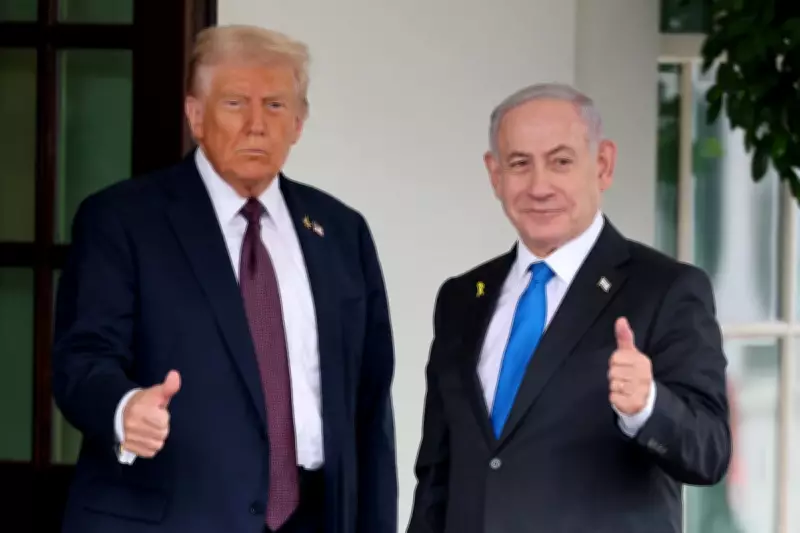
As the Netanyahu-Trump summit approaches, the international community is closely monitoring the situation, with many calling for a de-escalation of tensions and a return to dialogue. The outcome of this meeting could significantly influence the future trajectory of settlement policies and the broader Israeli-Palestinian conflict.