Lebanese Civilians Return to Devastated South Amid Fragile Ceasefire
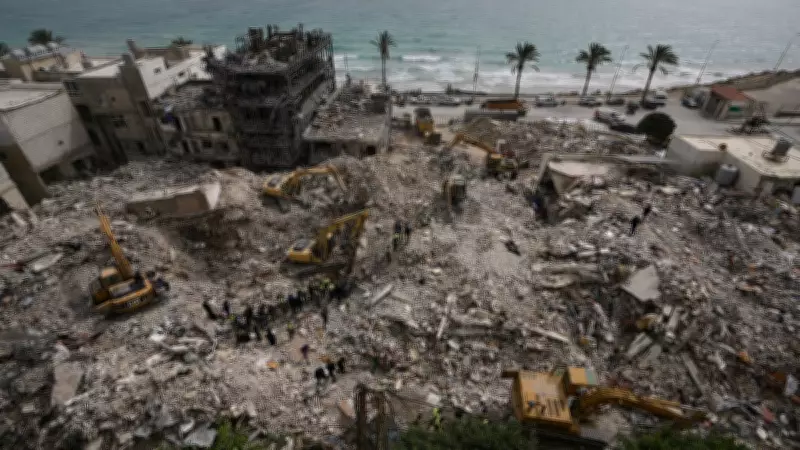
In the wake of a recently brokered ceasefire between Lebanon and Israel, civilians from southern Lebanon have begun a tentative return to their homes, only to confront neighbourhoods reduced to rubble and a landscape scarred by conflict. The truce, which halted weeks of intense hostilities, has allowed displaced families to assess the extensive damage, but many find their communities unrecognisable after the bombardment.
Scenes of Devastation and Displacement
Eyewitness accounts from the region describe entire streets flattened, with homes, schools, and infrastructure lying in ruins. The scale of destruction is staggering, leaving thousands without shelter and basic services. Local authorities report that critical facilities such as hospitals and water supply systems have been severely compromised, exacerbating the humanitarian crisis.
Residents express a mix of relief and despair, grateful for the cessation of violence but overwhelmed by the daunting task of reconstruction. "We came back hoping to rebuild, but seeing this devastation makes it hard to know where to start," said one returnee, whose family home was destroyed in the fighting.

Ceasefire Dynamics and Regional Tensions
The ceasefire, mediated by international actors, remains fragile, with both sides accusing each other of violations in the days following its implementation. Analysts warn that the underlying tensions, including border disputes and political rivalries, could easily reignite if not addressed through sustained diplomatic efforts.
Humanitarian organisations are mobilising aid, but access to the affected areas is hampered by ongoing security concerns and logistical challenges. The United Nations has called for increased funding to support emergency relief and long-term recovery, emphasising the need for stability to prevent further displacement.
Rebuilding Challenges and Future Prospects
Rebuilding southern Lebanon will require significant international assistance and coordination. Key issues include:
- Securing funding for infrastructure repair and housing reconstruction.
- Ensuring the safety of returnees amid potential ceasefire breaches.
- Addressing the psychological trauma experienced by civilians, especially children.
- Fostering dialogue between Lebanese and Israeli authorities to prevent future escalations.
The situation underscores the broader geopolitical instability in the Middle East, where ceasefires often prove temporary without comprehensive peace agreements. As residents sift through the debris of their lives, the path to normalcy appears long and uncertain, dependent on both local resilience and global support.