Mass Graves in Eastern Congo Spark Disease Fears Among Uvira Residents
Residents of Uvira in eastern Congo are expressing profound concerns that decomposing bodies might spread dangerous diseases after authorities confirmed the discovery of 171 bodies in mass graves. The grim findings followed the withdrawal of M23 rebels from the strategically important city, raising immediate public health alarms across the region.
Governor Confirms Discovery and Blames Rebel Forces
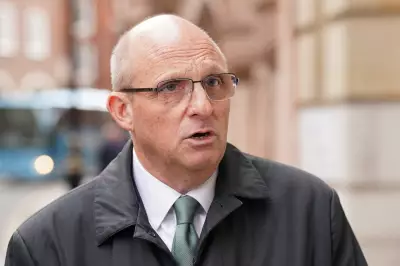
Jean-Jacques Purusi, the governor of South-Kivu province, stated on Thursday that the deceased individuals were found in two separate mass graves located on the outskirts of Uvira. Purusi directly attributed these deaths to M23 rebel forces, though The Associated Press noted it could not independently verify these claims at the time of reporting. An M23 spokesperson did not immediately respond to requests for comment regarding these serious allegations.
Purusi emphasized that proper procedures must be followed before any burial can occur, stating that medical examiners must complete their necessary work first. He specifically warned that the sites should remain undisturbed during this critical investigation period to preserve evidence and ensure proper identification processes.

Residents Describe Horrific Discoveries and Health Concerns
Flavien Kalenga Mutumishi, a resident living near one of the discovered graves, described finding approximately a dozen decomposing bodies shortly after the rebels withdrew from the area. Mutumishi and several neighbors immediately alerted authorities to their disturbing discovery, expressing particular concern about one mass grave being located within a residential compound.
"We found bodies that had been poorly and partially buried in shallow pits," Mutumishi told The Associated Press by telephone. "This poses a great danger to nearby communities who could be exposed to disease and contamination."
Another resident, who requested anonymity due to fears of reprisals, confirmed that multiple people had reported decomposing bodies in the same residential area. "That is why we felt compelled to call in health workers to carry out the necessary work," the resident explained. "Unfortunately, they were afraid to proceed because there was no proper covering over the grave site."
Authorities Restrict Access and Launch Investigations
Civil society groups and additional residents reported that authorities had implemented strict access restrictions around the mass grave locations, prohibiting photography and limiting entry to authorized personnel only. Governor Purusi confirmed that judicial authorities had officially opened an investigation into the discoveries and had urged both the United Nations Organization Stabilization Mission in the Democratic Republic of the Congo (MONUSCO) and regional bodies to conduct parallel investigations.
Ndeye Khady Lo, a MONUSCO spokesperson, responded that the mission could not independently confirm the reports of mass graves at this time, citing insufficient detailed and verifiable information regarding the exact locations, precise number of victims, and specific circumstances surrounding the deaths.
Broader Context of Conflict and Humanitarian Crisis
The governor and civil society leaders in Uvira have alleged that M23 rebels killed these individuals because they were suspected of belonging to either the Congolese army or pro-government militia groups. Both the Congolese military and M23 forces have faced repeated accusations from human rights organizations regarding extrajudicial killings and various other abuses throughout the prolonged conflict.
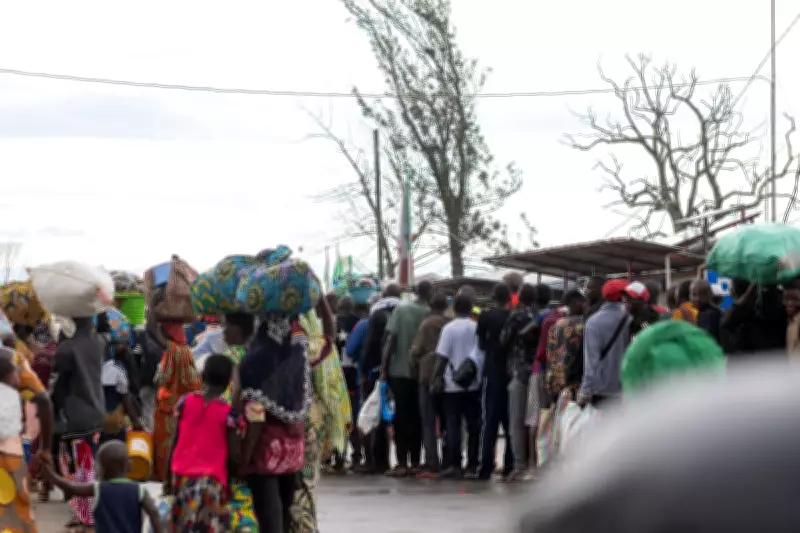
M23 rebels initially seized control of Uvira in December following a rapid military offensive that resulted in significant casualties and displacement. Regional authorities reported that more than 1,500 people were killed during this period, with approximately 300,000 individuals displaced from their homes. The rebel group later withdrew from the city, describing this move as a "unilateral trust-building measure" requested by the United States to facilitate ongoing peace negotiations.

The Democratic Republic of Congo, along with the United States and United Nations experts, have consistently accused Rwanda of supporting M23 rebels, whose forces have expanded dramatically from hundreds of members in 2021 to approximately 6,500 fighters according to recent UN estimates. More than 100 armed groups continue to compete for influence and control in mineral-rich eastern Congo, particularly near the Rwandan border, with M23 representing the most prominent among them.
This persistent conflict has created one of the world's most severe humanitarian crises, with the UN refugee agency reporting that more than 7 million people have been displaced throughout the region. Despite a diplomatic agreement brokered by the United States between the Congolese and Rwandan governments, and despite ongoing negotiations between rebel groups and Congolese authorities, fighting continues across multiple fronts in eastern Congo, resulting in numerous civilian and military casualties on a regular basis.