Mexico Ramps Up Tourist Security After Pyramid Shooting Ahead of World Cup
Mexico Boosts Tourist Security After Pyramid Shooting Pre-World Cup

Mexico's government is implementing a significant security reinforcement at tourist destinations across the nation following a violent shooting incident at the iconic Teotihuacan pyramids. This move comes less than two months before Mexico co-hosts the FIFA World Cup with the United States and Canada, sparking urgent questions about visitor safety during the global sporting event.

Deadly Attack at Archaeological Site

On Monday, a lone gunman opened fire on tourists from atop one of the Teotihuacan pyramids, a UNESCO World Heritage Site located approximately one hour from Mexico City. The attack resulted in the tragic death of one Canadian tourist and left a dozen others injured, creating immediate security concerns ahead of the World Cup festivities.

Teotihuacan had been designated as a key attraction for international visitors during the tournament. Just days before the shooting, local lawmakers had even proposed reviving a nighttime interactive light show projected onto the pyramids specifically for World Cup tourists, a spectacle that had been suspended since the COVID-19 pandemic began.

Wide Pickt banner — collaborative shopping lists app for Telegram, phone mockup with grocery list

Government Response and Security Measures

Mexican President Claudia Sheinbaum faced intense questioning from reporters about her government's security protocols following the incident. While acknowledging that the archaeological site lacked sufficient security filters to prevent the attack, Sheinbaum characterized the shooting as "an isolated incident" unprecedented in such public spaces.

"Our obligation as a government is to take the appropriate measures to ensure that a situation like this does not happen again," Sheinbaum stated during a Tuesday morning briefing. She suggested the shooter appeared motivated by "outside influences," specifically referencing the 1999 Columbine massacre in Colorado.

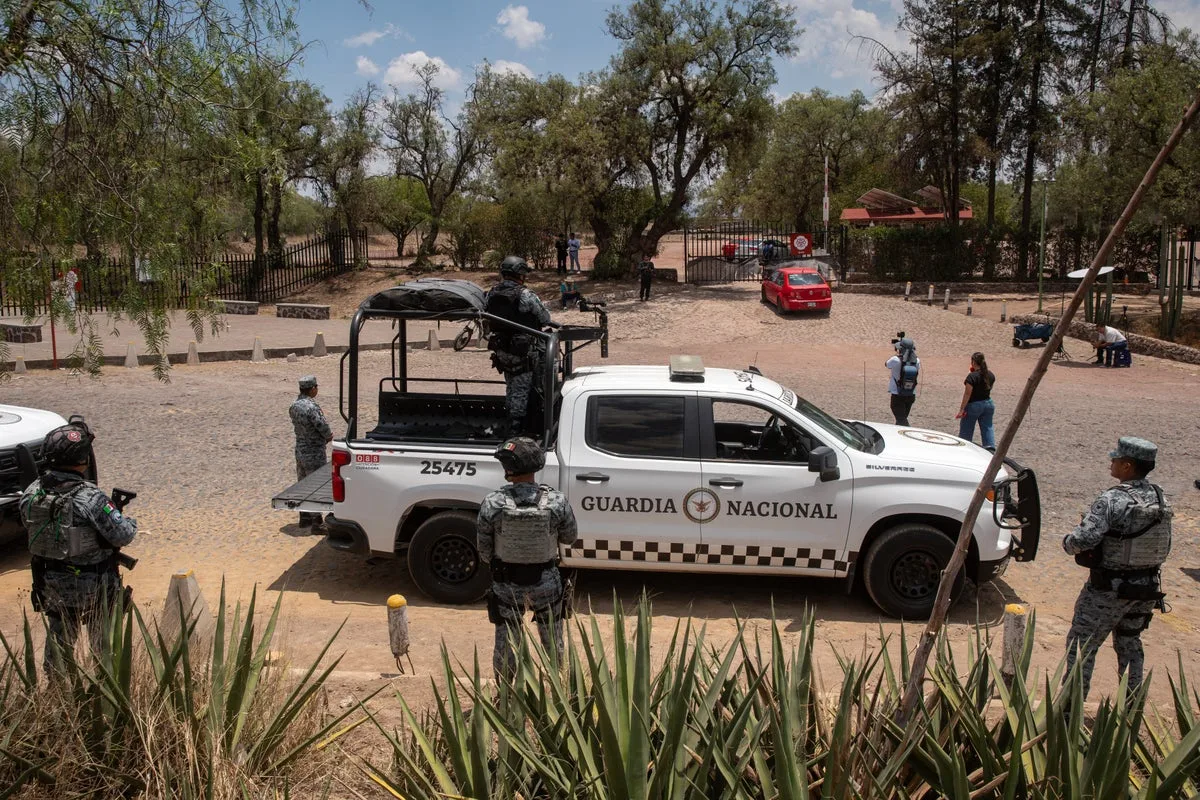
Mexican Security Secretary Omar García Harfuch announced immediate security enhancements at archaeological sites and major tourist destinations nationwide. These measures include increased deployment of the Mexican National Guard, strengthened security checkpoints at key locations, and fortified surveillance systems designed to "identify and prevent any threats" against both citizens and international visitors.

World Cup Security Preparations Under Scrutiny

The pyramid shooting has intensified scrutiny of Mexico's security preparations for the World Cup, despite government assurances about safety. Sheinbaum's administration has emphasized security achievements under her leadership, noting that homicide rates have dropped to their lowest levels in a decade, with significant operations against cartel leaders and reduced fentanyl seizures at the U.S.-Mexico border.

However, recent security challenges have emerged, particularly a surge of cartel violence in February in Guadalajara, one of Mexico's World Cup host cities. This violence followed the killing of Mexico's most powerful cartel boss and generated widespread concern both domestically and internationally.

Sheinbaum has repeatedly vowed there would be "no risk" for fans attending the tournament, while FIFA President Gianni Infantino expressed "full confidence" in Mexico as a host country. The president subsequently met with FIFA representatives to evaluate security arrangements for World Cup matches scheduled in Mexico.

Comprehensive Security Deployment

Mexico's government has committed to deploying approximately 100,000 security personnel across the country, with particular concentration in the three host cities: Mexico City, Guadalajara, and Monterrey. This extensive security operation includes more than 2,000 military vehicles, dozens of aircraft and drones, and established security perimeters around critical infrastructure such as stadiums and airports.

"As you can see, we are very prepared for the World Cup," Sheinbaum declared in early March, emphasizing the government's comprehensive approach to tournament security.

Pickt after-article banner — collaborative shopping lists app with family illustration

Analyst Perspectives and Broader Implications

Security analyst David Saucedo expressed concern that the Teotihuacan incident "only further magnify the negative images that Mexico has on security issues," potentially undermining the government's narrative of Mexico as a safe destination. He noted that while mass shootings in public spaces remain relatively rare in Mexico compared to the United States, this violent act has reignited scrutiny of the government's capacity to prevent violence during major international events.

Saucedo also warned that concentrating security resources in host cities and tourist areas like Teotihuacan might come at the expense of other regions with higher crime rates that desperately need police and military presence. "Events like the one that took place yesterday in Teotihuacan clearly show that public safety agencies are overwhelmed," he observed.

FIFA, when approached for comment regarding the pyramid shooting, maintained its standard policy of not addressing security incidents occurring away from official tournament venues. The organization typically focuses its security communications on measures directly related to World Cup facilities and events.

The Mexican government continues to balance its security messaging, acknowledging the seriousness of the Teotihuacan attack while emphasizing its rarity in the national context. Officials stress that despite this isolated incident, Mexico remains committed to providing a safe environment for both its citizens and the millions of international visitors expected for the World Cup tournament this summer.