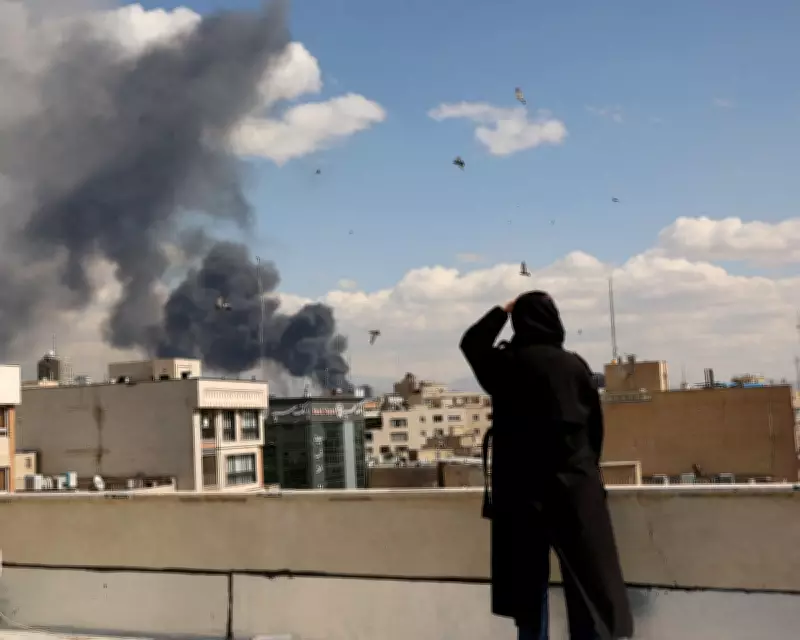
The conflict in the Middle East has intensified dramatically, with violence spreading to multiple countries including Lebanon, Dubai, Qatar, and areas hosting US military bases. This escalation follows coordinated air and missile strikes by Israel and the United States on Iran, which have triggered widespread retaliatory actions and significant casualties across the region.
Strikes on Iran and Immediate Aftermath
On Sunday, smoke billowed above buildings in Tehran after Israel and the US launched large-scale strikes targeting government and military command centres. These attacks, which reportedly included hits on strategic locations such as a state TV communications tower and nearby buildings like Gandi hospital, have led to substantial loss of life and property damage. In response, Iranian forces launched retaliatory missile strikes at US and allied bases in the region, further exacerbating the crisis.
Casualties and Humanitarian Impact
The strikes have resulted in significant casualties, with at least nine fatalities confirmed in Israel from an Iranian airstrike, as mourners took cover during funerals in Beit Shemesh. In Lebanon, the Lebanese ministry of health reported at least 31 people killed and 149 injured in Israeli airstrikes on Beirut’s southern suburbs and villages in southern Lebanon. Displaced families were seen fleeing on coastal roads, highlighting the severe humanitarian toll.

Regional Spread of Violence
The conflict has rapidly expanded beyond Iran and Israel. In Beirut, smoke rose after Israeli strikes on southern suburbs, with images showing damaged buildings near billboards of Hezbollah leader Hassan Nasrallah. In Kuwait, social media footage captured burning US aircraft and parachutes falling in Al Jahra, while smoke enveloped areas surrounding the US embassy in Bayan. Additionally, a plume of smoke from an Iranian strike was visible from Dubai airport, indicating the far-reaching effects of the hostilities.
Political and Military Responses
Iran’s interim leadership council, including President Masoud Pezeshkian, convened in Tehran amidst the chaos. Meanwhile, in the United States, President Donald Trump arrived in West Palm Beach, Florida, as the situation unfolded. The strikes have also impacted critical infrastructure, such as a girls’ school in Minab, Iran, near the strategic Strait of Hormuz, raising concerns about civilian safety and regional stability.
Ongoing Tensions and Future Implications
With rocket trails from Israel’s Iron Dome missile defence system visible in Tel Aviv and further strikes reported in various locations, the conflict shows no signs of abating. The assassination of Iran’s supreme leader, Ali Khamenei, in a US-Israeli operation has sparked rallies in Tehran, with protesters holding his portrait. As birds fly over rising smoke in Tehran and displaced people sit in traffic in Sidon, Lebanon, the deepening crisis underscores the urgent need for diplomatic intervention to prevent further escalation and loss of life across the Middle East.