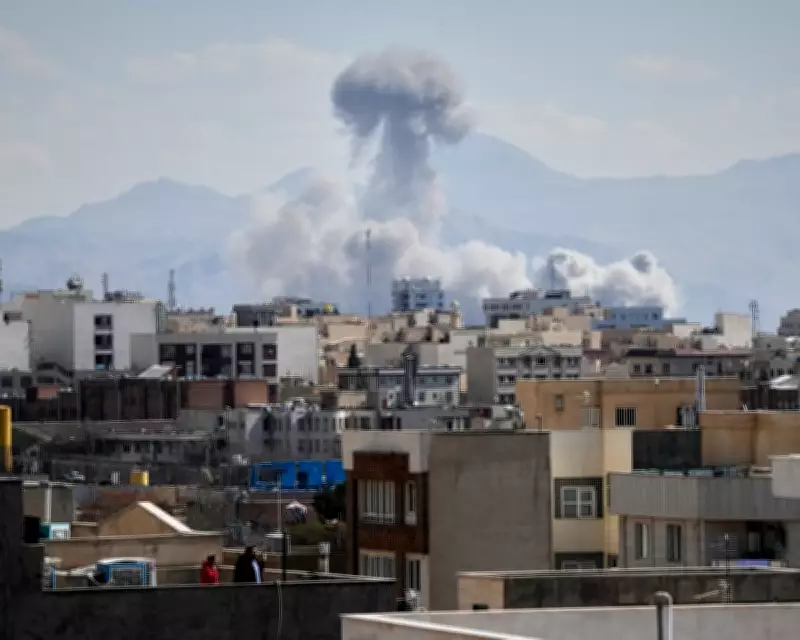
Recent escalations in the Middle East have sparked significant concerns among international observers and policymakers regarding the potential ramifications for global stability. Analysts are warning that the heightened tensions could have far-reaching effects on various aspects of the world order, from economic systems to geopolitical alliances.
Implications for Energy Markets and Trade
The Middle East remains a critical hub for global energy production and trade routes. Any significant disruption in the region could lead to volatility in oil prices, affecting economies worldwide. Experts note that prolonged instability might force countries to seek alternative energy sources, potentially accelerating shifts towards renewable energy but also causing short-term economic strain.
Diplomatic and Security Challenges
Diplomatic efforts to de-escalate the situation are facing increased challenges as tensions rise. The international community is grappling with how to respond effectively without exacerbating the conflict. Security analysts emphasize that the escalation could spill over into neighboring regions, complicating peacekeeping missions and humanitarian aid efforts.

Furthermore, the potential for proxy conflicts involving major global powers adds another layer of complexity. This dynamic could strain international relations and undermine collaborative efforts on other pressing global issues, such as climate change and pandemic preparedness.
Economic and Social Impacts
Beyond immediate security concerns, the escalation threatens to disrupt global supply chains and trade networks. Industries reliant on stable Middle Eastern corridors for transportation and logistics may face delays and increased costs. Additionally, social unrest in the region could lead to refugee crises, placing additional burdens on international aid organizations and host countries.
Economists warn that investor confidence might wane in the face of prolonged uncertainty, potentially leading to market downturns and reduced economic growth in vulnerable regions. The interconnected nature of the global economy means that disturbances in one area can quickly propagate, affecting livelihoods far beyond the immediate conflict zone.
Long-Term Stability Considerations
Looking ahead, the sustainability of global stability hinges on effective conflict resolution and proactive diplomatic engagement. Experts advocate for multilateral approaches that prioritize dialogue and cooperation over unilateral actions. Strengthening international institutions and frameworks for crisis management could help mitigate future escalations and foster a more resilient global order.
In conclusion, while the immediate focus is on de-escalating the current tensions, the broader implications for global stability underscore the need for coordinated international responses. The situation serves as a stark reminder of the interconnectedness of modern geopolitics and the importance of maintaining robust diplomatic channels to address emerging threats proactively.