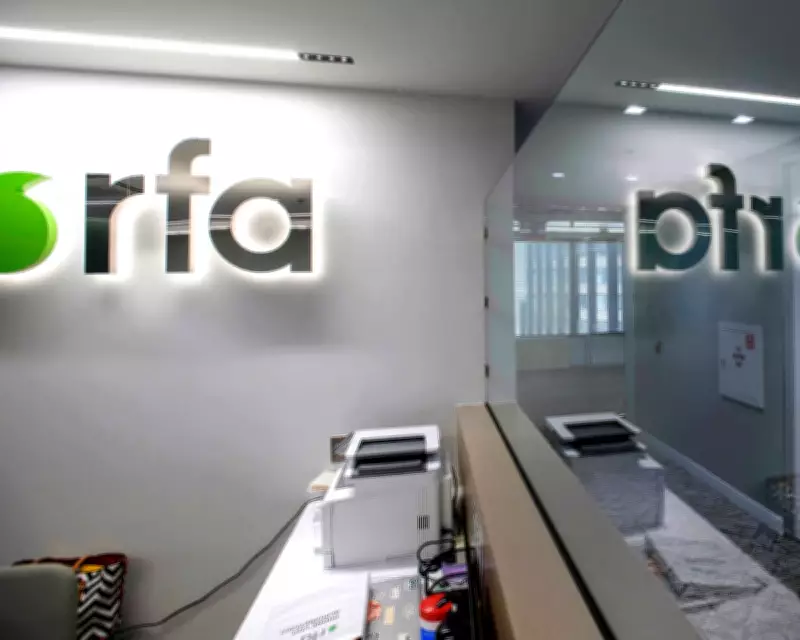
Radio Free Asia Resumes China Broadcasts After Trump-Era Funding Cuts
Radio Free Asia has successfully resumed its broadcasts to audiences in China, according to a statement from its chief executive. This development comes after significant funding reductions during the Trump administration nearly forced the US-funded media outlet to cease operations entirely.
Funding Challenges and Political Backlash
For many years, Radio Free Asia and its sister organisations, including Voice of America, relied on funding approved by the US Congress and overseen by the US Agency for Global Media. However, last year, Kari Lake, a former news anchor appointed by Donald Trump as acting chief executive of USAGM, terminated their grants. Lake cited concerns over wasteful spending and alleged anti-Trump bias within the outlets.
This decision sparked widespread criticism, with many arguing that it undermined American influence globally, particularly as China expands its own media reach. The cuts led to mass layoffs and were seen by some as ceding ground to US adversaries.

Private Contracting Enables Resumption
Bay Fang, president and chief executive of Radio Free Asia, announced the resumption in a LinkedIn post. She revealed that the outlet is now broadcasting in Mandarin, Tibetan, and Uyghur languages, providing independent reporting on these regions. Fang attributed this ability to private contracting with transmission services, though specific details were not disclosed.
She emphasised that rebuilding a sustainable network will require consistent congressional funding. A bipartisan spending bill signed into law by Trump in February allocated $653 million to USAGM, a reduction from previous years but more than the $153 million Trump had requested to shut down the agency.
International Reactions and Future Plans
A spokesperson for China's embassy in Washington declined to comment on what was termed US domestic policy but accused Radio Free Asia of spreading falsehoods and having an anti-China bias. In contrast, rights activists have praised the outlet for decades of reporting on abuses in authoritarian countries, including China, and highlighting issues like the plight of Uyghur Muslims.
Rohit Mahajan, a spokesperson for Radio Free Asia, provided further details on Friday. He confirmed that the outlet has contracted with private companies to broadcast to Tibet, North Korea, and Myanmar. Currently, Mandarin content is available online only, with plans to resume regular radio broadcasts soon. Tibetan, Uyghur, Korean, and Burmese programming airs over short and medium-wave frequencies, though satellite transmissions via USAGM have not yet been restored.