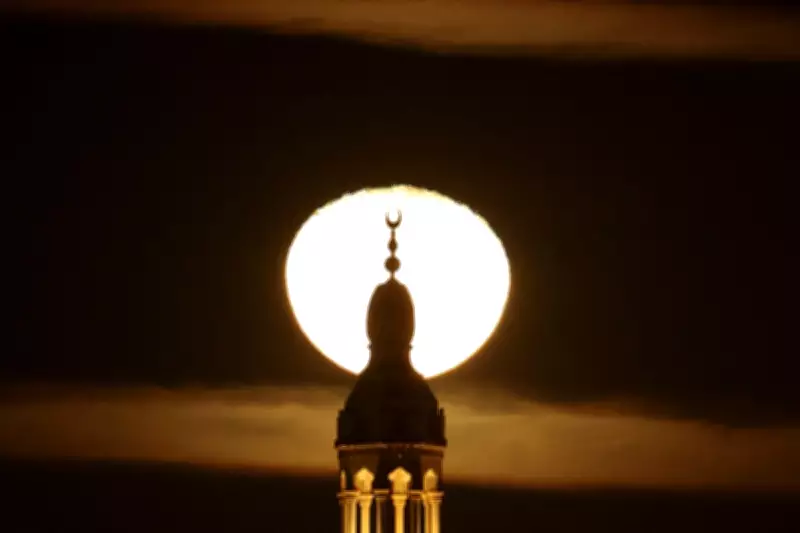
Ramadan's Commencement Guided by Lunar Observations
The sacred Islamic month of Ramadan is poised to begin this week, with its precise start date hinging on the traditional sighting of the crescent moon. This annual period of fasting, spiritual reflection, and communal worship marks the ninth month of the Islamic lunar calendar, which cycles through the seasons each year.
Global Variations in Start Dates
This year, Ramadan is anticipated to start on or around February 18 or 19. Nations including Saudi Arabia, the United Arab Emirates, and Qatar have officially declared Wednesday, February 18, as the first day of the holy month. Conversely, countries such as Egypt, Jordan, and Turkey will commence fasting on Thursday, February 19. These discrepancies arise from differing methodologies and declarations by Islamic authorities worldwide regarding moon sightings.
The actual commencement of Ramadan can vary significantly among Muslim communities globally, due to the reliance on multiple Islamic bodies to confirm the crescent's visibility. This year's timing coincides approximately with Ash Wednesday, which initiates Lent for Catholics and many other Christians, another period marked by fasting and penitence.

The Pillar of Fasting in Islam
Fasting during Ramadan constitutes one of the Five Pillars of Islam, alongside the profession of faith, prayer, almsgiving, and pilgrimage. Muslims perceive fasting as an act of worship aimed at attaining piety and demonstrating submission to God. The practice fosters self-restraint, cultivates gratitude, and encourages empathy towards those experiencing poverty and hunger.
Daily fasting entails abstaining from all food and drink, including water, from dawn until sunset. The fast is broken each evening with a meal known as "iftar." Throughout Ramadan, Muslims typically increase their attendance at mosques for congregational prayers, dedicate more time to religious contemplation, and engage in reading the Quran, the Islamic holy book.
Charity and Social Traditions
Charity stands as a hallmark of Ramadan, with many Muslims providing iftar meals for those in need. This includes distributing Ramadan boxes filled with pantry staples, offering warm meals accompanied by dates and juice, or organising free communal dinners. Prior to dawn, Muslims consume a predawn meal called "suhoor" to hydrate and nourish themselves for the day ahead.
Exemptions from fasting are granted for individuals who are ill or travelling, with the requirement to make up missed days later. The diverse global Muslim community observes a variety of cultural and social traditions during Ramadan, which may transcend religious roots.
Cultural Celebrations Across Regions
In Egypt, Ramadan is celebrated festively with colourful lanterns adorning homes and children's hands, alongside traditional songs welcoming the month. The soundscape often includes the predawn drumming of the "mesaharati," who roams neighbourhoods to wake residents for suhoor. New television series become a social fixture in some countries, though concerns about commercialisation persist, with some Muslims fearing that decorations, lavish banquets, and TV shows may detract from the month's spiritual essence.
In Indonesia, Ramadan rituals reflect regional diversity. In Aceh province, Meugang festivities involve slaughtering animals and sharing the meat with family, friends, and the less fortunate. In Tangerang, residents gather at the Cisadane River for a symbolic spiritual cleansing using rice straw shampoo. Across Sumatra, children parade through streets with torches, playing Islamic songs after evening prayers.
In the United States, Muslims from diverse racial and ethnic backgrounds often gather at mosques and Islamic centres for iftar meals and prayers, fostering a sense of community. Interfaith iftar meals are also organised to promote understanding and unity. Ramadan concludes with the joyous Islamic holiday of Eid al-Fitr, marking the end of fasting and a time for celebration.