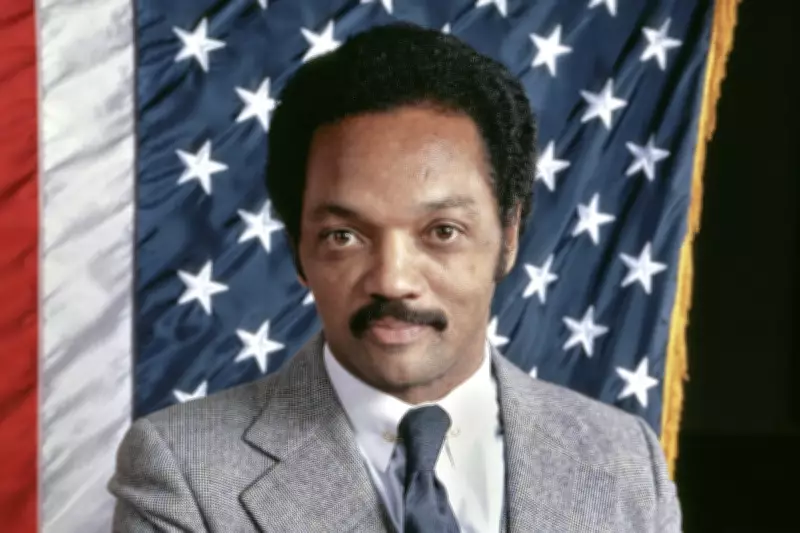
The Reverend Jesse Jackson, the towering figure of the American civil rights movement and a two-time presidential candidate, has died at the age of 84. His family confirmed his peaceful passing on Tuesday, surrounded by loved ones, though an immediate cause of death was not disclosed.
A Servant Leader Remembered
In a poignant statement, the Jackson family described him as a "servant leader" whose influence extended far beyond their home. "Our father was a servant leader — not only to our family, but to the oppressed, the voiceless, and the overlooked around the world," the statement read. "We shared him with the world, and in return, the world became part of our extended family."
The family highlighted his "unwavering belief in justice, equality, and love," which they said uplifted millions. They urged the public to honor his memory by continuing the fight for the values he championed throughout his life.

Health Struggles in Later Years
Jackson's health had been a concern in recent years. He was hospitalized in November for treatment to regulate his blood pressure, while also being under observation for progressive supranuclear palsy (PSP), a rare neurological disorder affecting movement, balance, and eye movements, as reported by CNN at the time.
Prior to that, his health prevented him from attending his 84th birthday celebrations in Chicago last October. The event, nevertheless, was attended by notable figures including Chicago Mayor Brandon Johnson, former congressman Bobby Rush, and Jackson's sons — current Illinois Democratic Representative Jonathan Jackson and former representative Jesse Jackson Jr.
Jackson had publicly announced his diagnosis with Parkinson's disease in 2017, a condition that added to his health challenges in his later years.
A Legacy of Activism and Political Influence
Reverend Jackson's career was marked by relentless activism and political engagement. From his presidential campaigns in the 1980s to his efforts in mobilizing millions to register to vote, he left an indelible mark on American history. His family's statement paid tribute to "his unwavering commitment to justice, equality, and human rights," which they said helped shape a global movement for freedom and dignity.
They described him as "a tireless change agent" who elevated the voices of the voiceless, ensuring that his impact would be felt for generations to come. His work extended to international arenas as well, including warnings against U.S. military intervention in Nicaragua during a press conference at the European Parliament in Strasbourg in May 1985.
The family expressed "profound sadness" at his passing, but emphasized that his legacy of fighting for justice and equality will continue to inspire and guide future movements. As tributes pour in from around the world, the story of Jesse Jackson's life and contributions remains a testament to the power of dedicated activism and unwavering principles.