Ukrainian Roma Veterans Face Bureaucratic Hurdles for War Compensation
Roma Veterans Struggle for Compensation in Ukraine

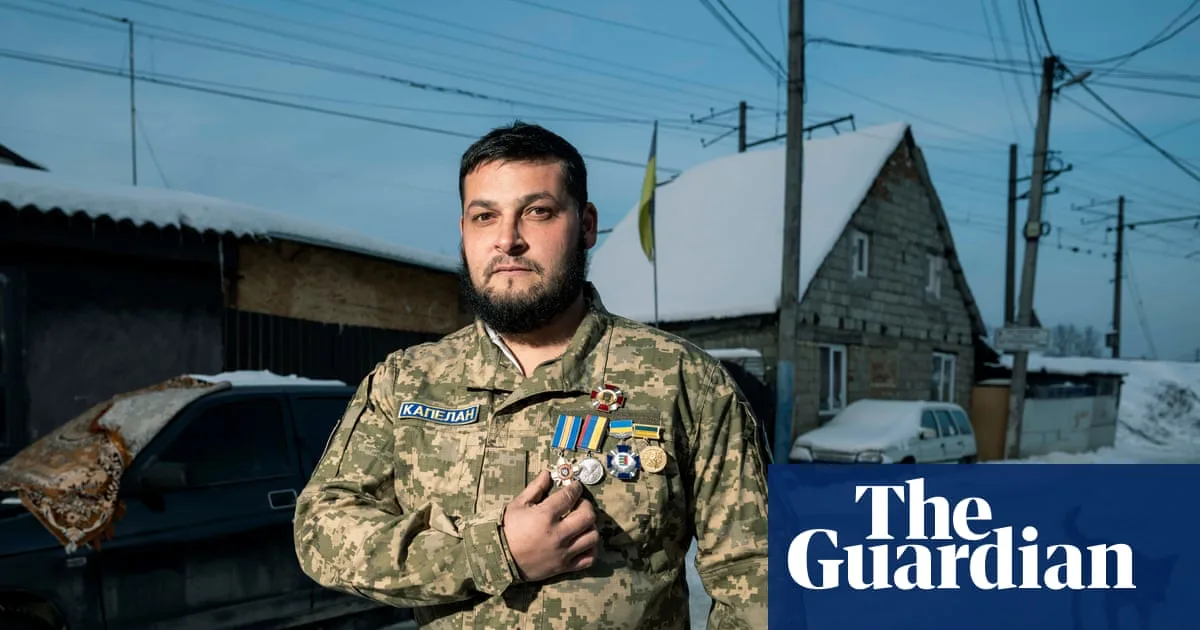
Viktor Ilchak, a father of four, was exempt from military service under Ukrainian law, which spares men with three or more children from mobilisation. Despite his family's tearful pleas, he volunteered in 2015, driven by a televised comment that Roma were not defending their homeland. "A typical Capricorn, so stubborn," his wife Sveta recalls, highlighting his determination. Soldiers at the territorial recruitment centre in Uzhhorod were surprised but accepted him.

Life in Radvanka: A Roma Settlement

Ilchak and his family reside in Radvanka, a Roma settlement in Uzhhorod, the capital of Transcarpathia. This western Ukrainian province borders Hungary, Slovakia, Romania, and Poland and hosts the country's largest Roma population. Myroslav Horvat, the only Roma councillor in Uzhhorod, explains that about 3,500 people live there, with unpaved streets and many homes lacking running water.

The Ilchak family occupies a 10-square-metre room without windows, furnished sparsely. Parents and three daughters share a large bed, while a teenage son sleeps on the floor. Ilchak served in Donbas and later around Mariupol after the full-scale invasion, working as a tank mechanic. He was wounded four times and carries shrapnel from a Russian bomb in his arm. His army jacket displays medals, including the Order for Courage from President Volodymyr Zelenskyy and one from the city council for his decade-long service, unmatched by other Roma in Uzhhorod.

Post-War Challenges and Advocacy

Returning home in September, Ilchak now cares for his children and plans to establish an NGO this year: the Transcarpathian Roma association of combatants, war veterans, chaplains, and volunteers. This initiative, the first of its kind in Ukraine, aims to support Roma veterans facing bureaucratic obstacles.

Ukraine's Roma community size is uncertain, with the 2001 census citing 47,587, but the Council of Europe estimates it could be ten times larger. Horvat suspects the state underreports numbers to limit political representation. Treatment of ethnic minorities, including Roma, is part of EU accession talks, with pilot projects starting to issue documents to paperless individuals. Horvat believes up to 30,000 Roma lack IDs, denying them basic services and relegating them to second-class citizenship.

Compensation Struggles for Families

Families of deceased soldiers are entitled to 15 million Ukrainian hryvnia (about £250,000), with a fifth paid upfront and the rest over 40 months. However, Roma families often struggle to claim this due to missing or erroneous documentation. Roman Bigunets, a Ukrainian lawyer, notes that Roma rarely write wills, and kinship ties are poorly documented, with frequent mistakes in IDs.

Marianna Eötvös's brother-in-law, Yevhen Varady, was killed by a suicide drone near Kramatorsk. Conscripted from prison for a minor offence, he died at 40, but his body was never recovered. Her husband, the legal heir, was denied compensation because Varady's ID misspelled his surname as "Varody." Bigunets criticises officials' negligence, which his legal NGO works to correct, though Roma pay a higher price.

Missing in Action and Mobilisation Fears

Aleksander Pap, father of 17-year-old Jana Churay, went missing after forced conscription from his job at a waste dump. Jana, now head of the household, has no idea how to search for him, and they lack a blood relation on paper since Pap was not on her birth certificate. High unemployment drives many women to claim single-mother benefits. Jana is expecting her third child with her partner Tolik, the main breadwinner, who faces mobilisation at 18.

In Radvanka, Ukrainian flags fly over some homes, symbolising patriotism. At an evangelical congregation where Horvat pastors, Joseph Pap mourns his son Robert, conscripted from the street at 34 and killed ten months later. Soldiers delivered the death message in April last year, but the family, primarily Hungarian speakers, struggled with paperwork. Horvat organised the funeral, and Robert's portrait now hangs in Uzhhorod's "Alley of Glory," a memorial for fallen soldiers.

Joseph receives 20,000 hryvnia monthly in compensation, though the reason for the low amount is unclear. Ilchak notes that paperwork took months despite a straightforward case, a challenge his NGO can help address.

Systemic Barriers and Inequality

Ilchak explains that many Roma are illiterate and speak Hungarian or Romanes instead of Ukrainian, creating obstacles in dealing with state institutions. Officials often demand extra documents or delay meetings, leading many to give up. "At the frontline, it doesn't matter one bit who is Roma and who is not," he says. "But back in civilian life, things are different. My compatriots were initially surprised that illiterate Roma can join the ranks of the Ukrainian army. In the face of death, we are equal. In the face of state institutions, we are not."