Groundbreaking Archaeological Find Uncovers Pompeii's Hidden Elite District
In a revolutionary archaeological excavation, researchers have discovered a secret grand staircase that leads to what they are calling a 'lost Pompeii' – an upper-city district once inhabited by the Roman elite. This discovery fundamentally reshapes our understanding of urban life in the ancient city.
From Dead End to Elite Entryway
Previously, a staircase inside the famed House of Thiasus villa was believed to lead nowhere. However, new findings confirm it was, in fact, the primary entry point to a sophisticated urban metropolis that foreshadowed today's high-rise luxury apartments. Archaeologists now assert this area was home to a wealthy family, with now-destroyed towers that would have housed Pompeii's well-to-do citizens.
"Lost Pompeii consists of the upper floors of buildings which are essential to understanding life in the ancient city," stated Gabriel Zuchtriegel, Director of the Archaeological Park of Pompeii. "These structures are the missing puzzle pieces we never conceived existed."

Digital Archaeology Paints a New Picture
A research team from Berlin's Humboldt University employed cutting-edge digital archaeology to create detailed models of villas belonging to the super-rich. Their work, published in the E-journal Scavi di Pompei, demonstrates that Pompeii's largest villas likely featured towers – true symbols of imperial power and wealth.
Using non-invasive research methods and reconstructive hypotheses, the team pieced together clues from unconnected staircases and severed support beams. They digitally reconstructed a vibrant picture of unknown city sectors before Mount Vesuvius's catastrophic eruption in 79 CE destroyed them.
The Tower of House of Thiasus
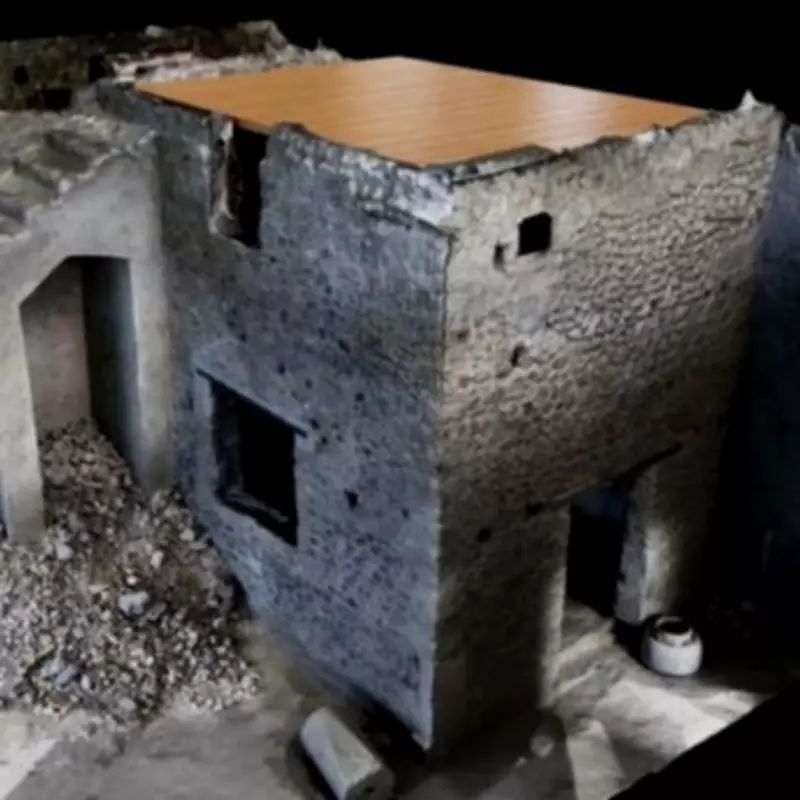
The researchers focused particularly on the tower of the House of Thiasus. They believe this structure could have stood up to 40 feet high, indicating the villa was a multi-storey building. The grand staircase likely allowed the wealthy occupants to ascend for panoramic views of the city and the Bay of Naples.
"The interior of the lower part was simple in its furnishing," the researchers wrote. "This contrasted with the monumental external staircase that leads to the upper floor, suggesting a living space of a more elegant and representative character."
By compiling data into a comprehensive 3D digital model, the team has developed hypothetical reconstructions that illuminate the spatial experience and societal structures of the time. The volcanic ash that buried and preserved the buildings' lowest levels ironically wiped out the upper floors, leaving this 'lost Pompeii' hidden for centuries.
Zuchtriegel emphasized the complexity of archaeological research at Pompeii, which combines fieldwork revealing intact life contexts with advanced digital techniques to reconstruct what has not been preserved. This dual approach is completing our knowledge of the site in unprecedented ways, uncovering stories about both daily life and the tragic eruption that ended it.