Strait of Hormuz Crisis Deepens as Iran Blocks Key Shipping Lane
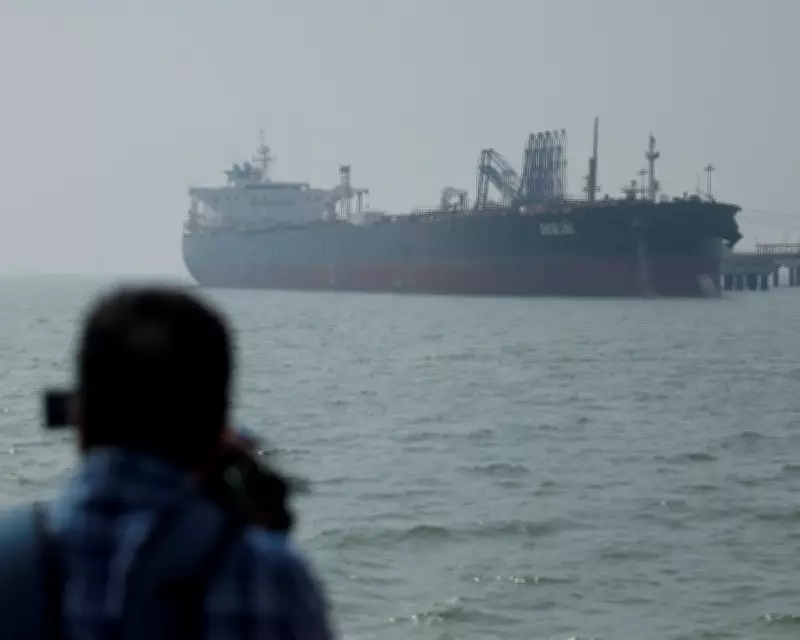
In a significant development highlighting the escalating Middle East crisis, the Liberia-flagged tanker Shenlong Suezmax successfully navigated the Strait of Hormuz last Friday. This vessel represents one of the very few that have managed to cross this critical maritime passage since the outbreak of the US-Israeli war against Iran, which has led Tehran to close the strait.
Photographic evidence from the scene underscores the tense and rare nature of such a transit. The broader context reveals a severe disruption to global trade, with more than 1,000 cargo ships, predominantly oil and gas tankers, now blocked from using this vital chokepoint.
What is the Strategic Importance of the Strait of Hormuz?
The Strait of Hormuz serves as the sole maritime link between the Persian Gulf and the Gulf of Oman. It is a conduit for approximately a quarter of the world's seaborne trade and liquefied natural gas exports from Gulf nations. Shipping is confined to narrow, two-mile-wide inbound and outbound lanes, separated by a median.

At its narrowest point, the strait measures just 21 nautical miles, flanked by the Iranian coastline and Oman's Musandam peninsula. Its history as a geopolitical leverage point was notably demonstrated during the 1980s 'Tanker War' in the Iran-Iraq conflict, which prompted the US Navy's Operation Earnest Will—the largest convoy operation since World War II.
Iran's Aggressive Actions and the Soaring Costs
As part of a strategy to widen the war's geographic scope and increase global economic pressure, Iran has undertaken aggressive measures. These include direct attacks on commercial shipping and, according to reports, the deployment of sea mines within the strait. These actions have effectively closed the waterway to most marine traffic.
The consequences are immediate and severe. Global energy prices have skyrocketed, and insurance premiums for cargo operators have surged due to heightened risks to vessels and crew safety, although insurance coverage remains available.
US Unpreparedness and Failed Anticipation
Despite long-standing warnings from US military planners about Iran's potential to close the strait during a conflict, the Trump administration appears to have failed to anticipate the severity of Tehran's response. While some analysts speculated Iran might keep the passage open to ensure its own oil exports, the existential threat perceived by the clerical regime has triggered a far more aggressive stance.
This miscalculation has left Washington exposed. US Energy Secretary Chris Wright admitted on Thursday that the US Navy is not yet prepared to execute a naval escort operation, contradicting earlier suggestions. "It'll happen relatively soon, but it can't happen now," Wright stated, adding that military assets are currently focused on neutralizing Iran's capabilities.
Why US Naval Escorts Are Not Feasible
Countering an Iranian blockade of the Strait of Hormuz presents a highly complex challenge for the US Navy, compounded by experiences with Houthi attacks in Yemen. Iran's use of small, fast boats for mine-laying and the proximity of its coast—allowing for swift missile and drone strikes—creates significant operational hurdles.
With transit lanes sometimes only 3 to 4 miles from Iranian territory, reaction times for ships are less than two minutes. The US, despite its powerful navy, lacks sufficient assets for escort duties, a task historically reliant on international coalitions. As analyst Adel Bakawan noted, no single nation or coalition is currently positioned to secure the strait, and any US naval ships would themselves become prime targets.
The Threat of Sea Mines and Broader Implications
Iran possesses a variety of sophisticated sea mines, including the Maham-3 with magnetic and acoustic sensors, deployable via conventional vessels or small craft. While these pose a tangible threat, their primary impact may be psychological, complicating any potential convoy missions.

Some analysts argue that securing the strait might necessitate a ground operation along the Iranian coast, a prospect described as "very messy" by Middle East Institute senior fellow Brian Katulis. US Senator Chris Murphy echoed concerns over the lack of a viable plan, highlighting the administration's strategic shortcomings.
The ongoing blockade underscores a critical failure in US preparedness, with the Strait of Hormuz remaining a flashpoint that continues to disrupt global energy markets and maritime security.