Ukraine's Harshest Winter: UNHCR Pleads for Global Solidarity Amid War
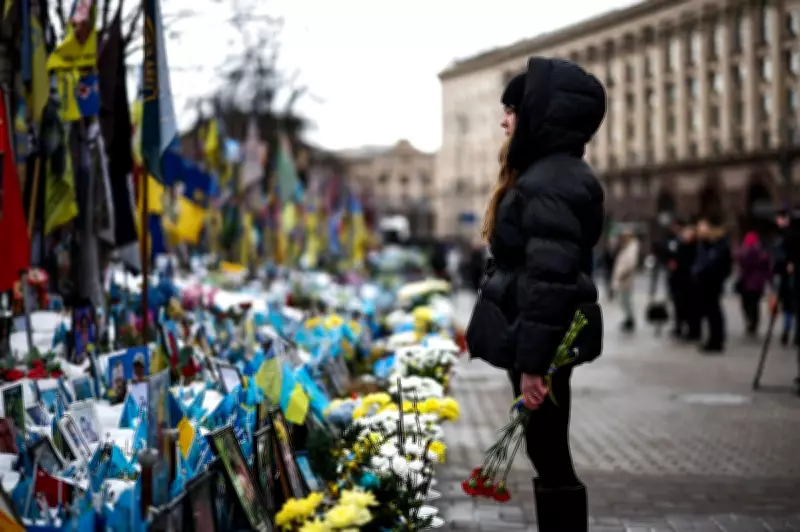
Four years into the brutal conflict with Russia, Ukrainian civilians are enduring their most severe winter yet. Air-raid sirens have become a grim routine, but the world must not turn a blind eye, warns Elisabeth Haslund of the UNHCR, the United Nations refugee agency. As missiles fall and temperatures plummet, the need for international support has never been more critical.
The Unrelenting Sound of War
The war in Ukraine has persisted for four long years, and the sound of air raids has shockingly become part of daily life. The wailing siren from phones, followed by blaring street alarms, creates a constant backdrop of fear. The metallic buzzing of attack drones demands intense focus as people try to decode whether the threat is approaching or receding. Heavy, crackling blasts from missiles striking homes, kindergartens, hospitals, and heating points, or the defensive fire trying to intercept them, shake buildings and rattle windows. Then, a deafening silence in the freezing darkness, with seconds or minutes ticking by as everyone waits for the next explosion, if it comes. This cycle often repeats for hours on end.
Intensified Attacks and Humanitarian Crisis
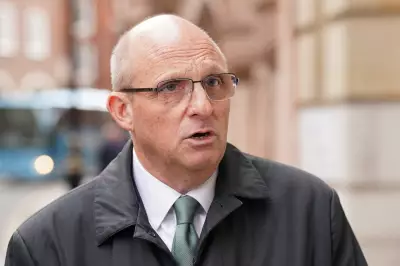
Over recent months, Russian attacks on Ukraine have escalated dramatically. The year 2025 marked the deadliest period for civilians since the full-scale invasion began in 2022, and this tragic trend has unfortunately continued into 2026, despite ongoing peace talks and diplomatic efforts. Elisabeth Haslund, who has lived and worked in Ukraine for the past two-and-a-half years as head of communications for UNHCR, states unequivocally that this winter is the worst she has witnessed.

Energy infrastructure has been repeatedly targeted during Russian assaults, leaving hundreds of thousands without heating, electricity, or water for extended periods, even as temperatures plunge to minus 20 degrees Celsius. People, including Haslund and her colleagues, sleep fully clothed in dark, icy homes, unable to cook, shower, or charge their phones. However, her thoughts are with those in far worse conditions, especially in eastern regions near the frontline, where war-damaged homes offer little protection from the elements.
Heartbreaking Stories of Displacement
Haslund recalls meeting Valentyna in Dnipro, who has shared a small room with her bedridden 94-year-old mother for over three years in a collective centre for internally displaced people. They hid for months in their basement before fleeing Luhansk, now under temporary Russian occupation. It is encounters with displaced older individuals that break her heart the most. When minibuses arrive at transit centres carrying frail evacuees who cannot flee alone, clutching a single small bag, she wonders: what if it were her grandparents?
These elderly survivors speak of being forced to abandon homes they had hoped to die in, describing villages that are destroyed and emptied—devoid of gas, heating, electricity, water, bread, and neighbours. Now, they face new fears about finding safety and surviving on meagre pensions without community or support.
UNHCR's Efforts and Funding Challenges
Haslund expresses pride in the work of her colleagues and Ukrainian NGO partners, who deliver aid every day. At UNHCR, they respond swiftly after air strikes with emergency relief, repair bomb-damaged homes, and provide blankets, beds, emergency cash, and counselling. During winter, they install heaters and insulation kits to help people cope with the cold.
Despite brutal cuts to global humanitarian funding, UNHCR continues to support the government-led response. However, with 10.8 million people in humanitarian need across Ukraine, they and other aid organisations cannot reach everyone. Valentyna once told Haslund, "I dream of living again, not just surviving."
A Call for Continued International Support
Ukraine has shown extraordinary resilience through four years of full-scale war, but that resilience is not infinite. Continued international support and solidarity are essential to keep hope for peace and a future alive. Haslund's appeal is simple: do not forget the Ukrainians; do not look away. The world must stand with them during this harshest winter and beyond.