Ukrainian Men Reflect on Four Years of War and Personal Transformation
In the early hours of 24 February 2022, President Volodymyr Zelenskyy announced that Ukraine was at war with Russia, immediately imposing martial law across the nation. This declaration triggered a seismic shift in the lives of Ukrainian men, forcing them into unprecedented decisions and emotional turmoil.
The Immediate Impact of Martial Law
Tracey McVeigh, editor of the Guardian's global development desk, recounts the swift changes that followed. "Immediately, if you were a male aged between 18 and 60, you were not allowed to leave the country," she explains. "So there were all these hard choices going on behind closed doors in every family. If you were married and maybe had young children, did your partner take the kids and leave? And all those incredibly difficult conversations were happening in a very short space of time. I'm not sure you're ever prepared for that kind of conversation within a family." This rapid enforcement left many grappling with fear and uncertainty, reshaping family dynamics overnight.
Personal Stories of Fear and Adaptation
Alex, a DJ turned soldier, provides a poignant perspective on the personal toll of the conflict. "I was scared, so I didn't want to go to the war, of course, because I know that I'm not that kind of guy that's going to be on the frontier and killing someone—it's just not me," he confesses. Despite his initial reluctance, Alex now lives with the constant anxiety of being sent to the frontline. "I'm accepting this thought that I could get there and be in the worst moment of my life. And I just need to accept it," he says, highlighting the psychological burden carried by many Ukrainian men as they navigate daily life under the shadow of war.

Hopes for Peace and the Future
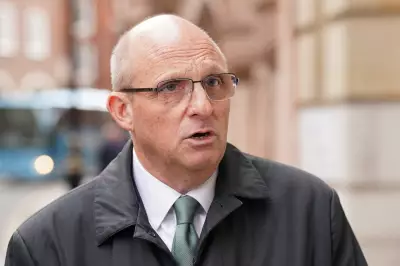
Shaun Walker, the Guardian's central and eastern Europe correspondent, offers insights into the broader context and potential outcomes. He discusses the evolving hopes for peace amid ongoing hostilities, noting the resilience of Ukrainian society and the international dimensions of the conflict. Walker's analysis underscores the complex geopolitical landscape, where diplomatic efforts intertwine with military strategies, shaping what could happen next in this prolonged war.
As the conflict enters its fourth year, these reflections from Ukrainian men reveal not only the external challenges of war but also the internal transformations—from fear to acceptance, from civilian life to potential soldierhood. Their stories, coupled with expert reporting, paint a vivid picture of a nation enduring profound change, with its men at the heart of this struggle for survival and hope.